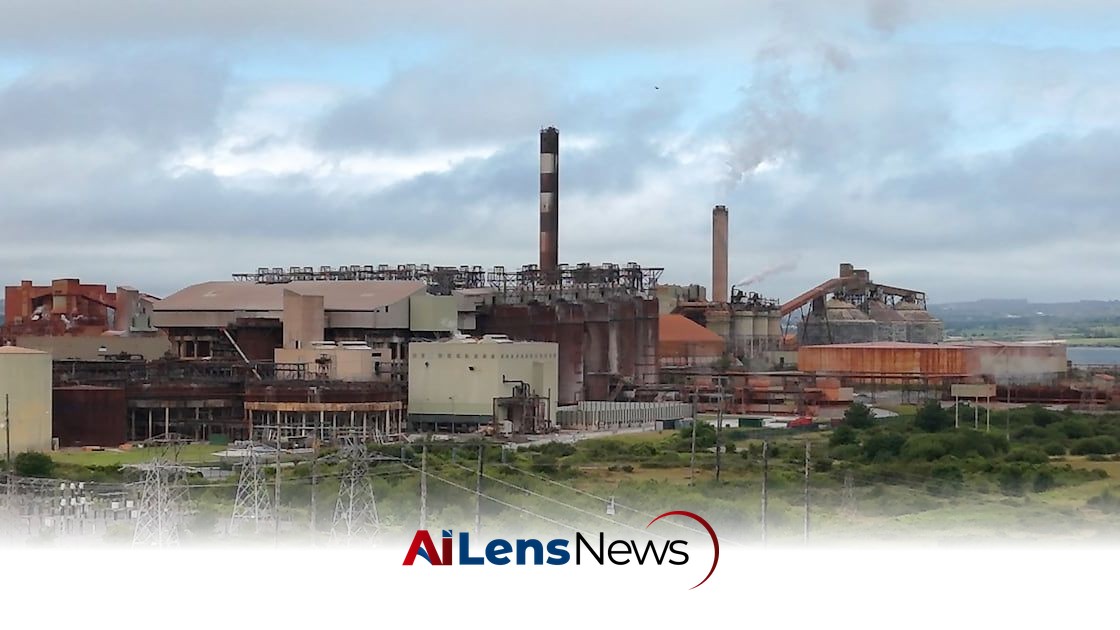


Ukrainian President Volodymyr Zelenskiy has called for EU sanctions on Aughinish Alumina, claiming its exports support the Russian war effort.
London, United Kingdom Jul 22, 2026 ALN: Ukrainian president Volodymyr Zelenskiy recently made a significant appeal to the European Union, urging for economic sanctions that would prevent Aughinish Alumina from exporting alumina—a key raw material used in aluminum production—to Russia. This request came during private discussions with European Commission President Ursula von der Leyen in Kyiv, highlighting the ongoing economic and military implications of the war in Ukraine.
Zelenskiy expressed his belief that alumina produced at the Aughinish plant in County Limerick, Ireland, is indirectly contributing to the Russian war effort. According to a senior official privy to the discussions, the Ukrainian leader emphasized the importance of cutting off supplies that could be used to bolster Russia's military capabilities. The urgency of this request aligns with Ukraine's broader strategy to disrupt any economic support that could sustain Russia's military operations against Ukraine. The conflict, which began in 2014 with Russia's annexation of Crimea and escalated dramatically in February 2022, has seen Ukraine and its allies implementing various measures to weaken Russia's economic base.
During the closed-door meeting, Zelenskiy specifically called for an export ban on alumina to Russia. This request is part of a larger framework of sanctions that the EU has been implementing since the onset of the conflict. The sanctions are designed to limit Russia's access to critical materials and financial resources, thereby hindering its ability to sustain military operations. The European Commission, which is responsible for proposing and overseeing these sanctions, has yet to include alumina in its previous rounds of sanctions against Moscow. The absence of such measures has raised concerns among Ukrainian officials, who argue that every possible avenue of support for the Russian military must be curtailed.
The call for sanctions coincides with an ongoing investigation by Ireland's Department of Enterprise into Aughinish Alumina's exports to Russia. This investigation was initiated following a report by The Irish Times, in collaboration with the Organised Crime and Corruption Reporting Project, which revealed that significant quantities of alumina were being shipped to Russian smelters. These smelters are reportedly supplying aluminum to industries that manufacture arms and missiles for the Russian military. The connection between alumina exports and military production underscores the intricate links between global trade and military logistics, which have become increasingly scrutinized in the context of the ongoing conflict.
While the investigation is expected to conclude that there is insufficient evidence to definitively connect Aughinish Alumina's exports to the Russian arms industry, it raises concerns about the potential for alumina from the plant to be used in the production of weaponry. The findings of this investigation will be shared with the European Commission, which is crucial for determining the future of sanctions related to alumina exports to Russia. The scrutiny of such exports is indicative of a larger trend in international relations, where economic interdependencies are being re-evaluated in light of national security concerns.
In addition to his discussions with von der Leyen, Zelenskiy has also raised concerns about the Irish plant's exports during a meeting with Irish Taoiseach Micheál Martin. This conversation took place on the sidelines of an event marking Ireland’s presidency of the Council of the European Union. Zelenskiy’s consistent engagement with EU leaders underscores the importance of international support for Ukraine, particularly in the context of economic sanctions against Russia. The diplomatic efforts are not only aimed at securing immediate support but also at fostering long-term alliances that can help Ukraine navigate the geopolitical landscape.
The European Commission has faced challenges in formulating a cohesive sanctions strategy, particularly in light of differing interests among EU member states. Countries such as Greece, Germany, Portugal, and Austria have sought concessions to protect their domestic industries from the economic fallout that could arise from further sanctions. This has led to protracted negotiations regarding the EU's 21st round of sanctions, which have been characterized by divisions and complexities. The balancing act required to maintain unity within the EU while addressing the urgent needs of Ukraine illustrates the intricate dynamics of international diplomacy.
As the EU continues to deliberate on sanctions, there is a diplomatic push in Brussels to finalize a package that may include a ban on alumina exports to Russia. Multiple sources within the commission have indicated that sanctioning alumina is likely to be considered in the upcoming draft sanctions proposed in the autumn. This potential inclusion reflects the growing recognition of the need to address all avenues through which Russia can sustain its military efforts. The prospect of new sanctions also raises questions about the effectiveness of existing measures and the need for continuous adaptation in response to the evolving situation on the ground.
The implications of such sanctions extend beyond geopolitical considerations; they also have significant economic repercussions. Aughinish Alumina has warned that sanctions targeting its shipments to Russia could lead to the closure of the industrial plant, which would threaten hundreds of jobs in the Foynes area. This situation poses a dilemma for policymakers, who must balance the urgency of addressing the war in Ukraine with the economic realities faced by local industries. The potential job losses emphasize the local impact of international policy decisions, which often reverberate far beyond the immediate conflict zones.
Furthermore, the EU's sanctions are part of a broader strategy aimed at constraining Russia's economy and limiting its capacity to finance military operations. The sanctions regime has evolved over time, targeting various sectors, including energy, finance, and military supplies. The aim is to create economic pressure that could compel Russia to reconsider its military actions in Ukraine. The effectiveness of these measures relies heavily on the cohesion of the EU and the willingness of member states to prioritize collective security over individual economic interests.
In conclusion, Zelenskiy's appeal for the EU to sanction Aughinish Alumina's exports to Russia highlights the interconnectedness of economic policy and military strategy in the ongoing conflict. As discussions continue in Brussels, the potential for new sanctions could play a crucial role in shaping the dynamics of the war and the future of Ukraine-Russia relations. The situation remains fluid, with ongoing investigations, diplomatic negotiations, and the realities of the global economy all influencing the trajectory of EU sanctions and their impact on the conflict in Ukraine. The outcome of these discussions will not only affect the immediate situation in Ukraine but also set precedents for how international communities respond to similar conflicts in the future.
To learn more about the latest developments in Political Controversies, stay updated with our exclusive reports and analyses on AiLensNews.

