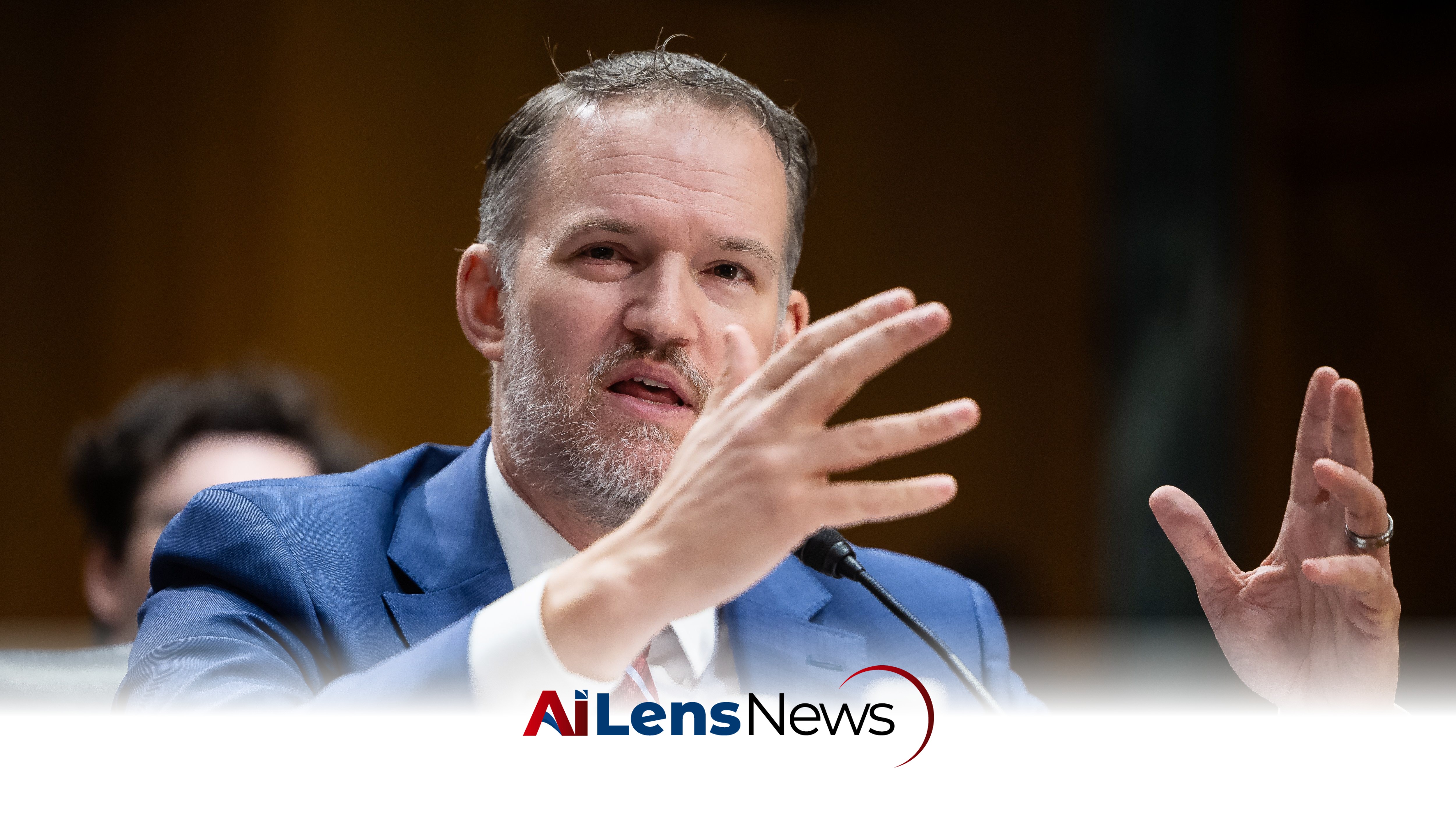


U.S. Trade Representative Jamieson Greer warns that the EU's recent fines against Google could destabilize transatlantic trade relations and undermine ongoing negotiations.
London, United Kingdom Jul 24, 2026 ALN: U.S. Trade Representative Jamieson Greer on Thursday accused the European Union of creating renewed instability in the transatlantic trade relationship after it slapped a $1 billion fine on Google. This fine represents a significant escalation in the EU's regulatory actions against major U.S. tech companies, which have increasingly become a focal point of contention in international trade discussions.
European Union regulators found the U.S. internet search giant unfairly boosted its own shopping, hotel, transportation, and sports results relative to its competitors, while also restricting app developers’ communications with users in its Play Store. These actions were deemed to be in violation of the bloc’s Digital Markets Act (DMA), a legislative framework aimed at ensuring fair competition in digital markets. The Commission on Thursday hit Google with a pair of fines amounting to $523 million and $489 million, a move that has drawn sharp criticism from U.S. officials.
The U.S. has long argued that the DMA unfairly targets U.S. tech companies, reflecting a broader concern that European regulations may disproportionately affect American firms. Greer blasted the latest ruling, accusing the European Commission of undermining ongoing negotiations related to trade and technology issues. He stated, "The announcement is the latest in an increasingly aggressive approach targeting U.S. technology firms. The EU often claims that it is looking for stability and predictability in our trading relationship, but these actions are driving massive uncertainty for U.S. exports of goods and services to Europe." This sentiment underscores a growing frustration among U.S. officials regarding the EU's regulatory landscape and its implications for American businesses operating in Europe.
Greer noted that U.S. officials are “trying to resolve” their concerns with the DMA but added that the “EU’s recent actions undermine these efforts and pose a real risk to the continuation of transatlantic stability with respect to trade.” The tension is further exacerbated by the scale of the fines, which Greer argued are exorbitant and surpass the contributions of some EU member states. This perspective highlights a perceived imbalance in how regulatory actions are applied across different jurisdictions and raises questions about the fairness of the EU's approach to international trade.
Additionally, Greer pointed to the recent announcement of the largest ever state-backed loan to Airbus, which he claimed illustrates the EU's strategy of targeting the most competitive U.S. companies. The European Investment Bank last month issued a loan exceeding $3 billion to the European jet-maker, reigniting long-standing trade tensions over government support for the aerospace industry. This situation is emblematic of a larger narrative in which U.S. officials feel that European policies are designed to give local companies an unfair advantage over their American counterparts.
Context: In August, President Donald Trump and European Commission President Ursula von der Leyen inked a trade agreement, known as the Turnberry deal, which aimed to cap U.S. tariffs on most European exports in exchange for EU tariff reductions and efforts to address long-standing non-tariff barriers. This agreement was seen as a step towards stabilizing transatlantic trade relations, but the recent developments suggest that both sides may be moving further apart rather than closer together.
However, the Trump administration has made additional tariff threats earlier this year, particularly over his aspirations to control Greenland, which has raised eyebrows in Europe and added to the unpredictability of U.S. trade policy. Meanwhile, European lawmakers added several provisions when they approved legislation to carry out the Turnberry deal, including a sunset clause that Greer has argued U.S. negotiators did not endorse. This has led to further complications in the trade relationship, with both sides struggling to find common ground.
The Trump administration has also continued to press Europe to adjust its tech regulations, and last month, the two governments launched a preliminary dialogue on technology issues. This dialogue is crucial as both sides navigate the complexities of digital trade and the implications of regulatory frameworks like the DMA. The Google case is not the first instance where the EU has taken action against American tech firms under its DMA; similar cases have been opened against Apple and Meta, resulting in fines for both companies last year. This pattern of regulatory enforcement raises significant questions about the future of U.S.-EU relations in the tech sector.
Google now faces a critical decision, as it has 60 days to comply with the ruling or risk facing further penalties of up to 5 percent of its worldwide turnover. The company has indicated that it is evaluating its options, including the possibility of an appeal. This situation puts Google in a challenging position as it must weigh the financial implications of compliance against the potential reputational damage of a protracted legal battle.
The decision to fine Google has emboldened those in the U.S. who have been advocating for a tougher stance with the EU on its digital trade practices. The Information Technology and Innovation Foundation, a Washington-based think tank focused on technology policy, issued a fresh call on Thursday for an investigation into alleged unfair EU trade practices that could be used to justify new tariffs. This development highlights a growing sentiment among U.S. policymakers that a more assertive approach may be necessary to counter what they perceive as aggressive regulatory tactics from the EU.
Overall, the recent fine imposed on Google is not merely a legal issue; it is emblematic of broader tensions in transatlantic trade relations. As the EU continues to assert its regulatory authority over major tech companies, the U.S. is grappling with how to respond effectively while maintaining a stable trading relationship. The implications of these actions will likely reverberate throughout the global tech landscape, as companies and governments alike watch closely to see how this situation unfolds and what it means for the future of digital commerce.
To learn more about the latest developments in Political Controversies, stay updated with our exclusive reports and analyses on AiLensNews.

