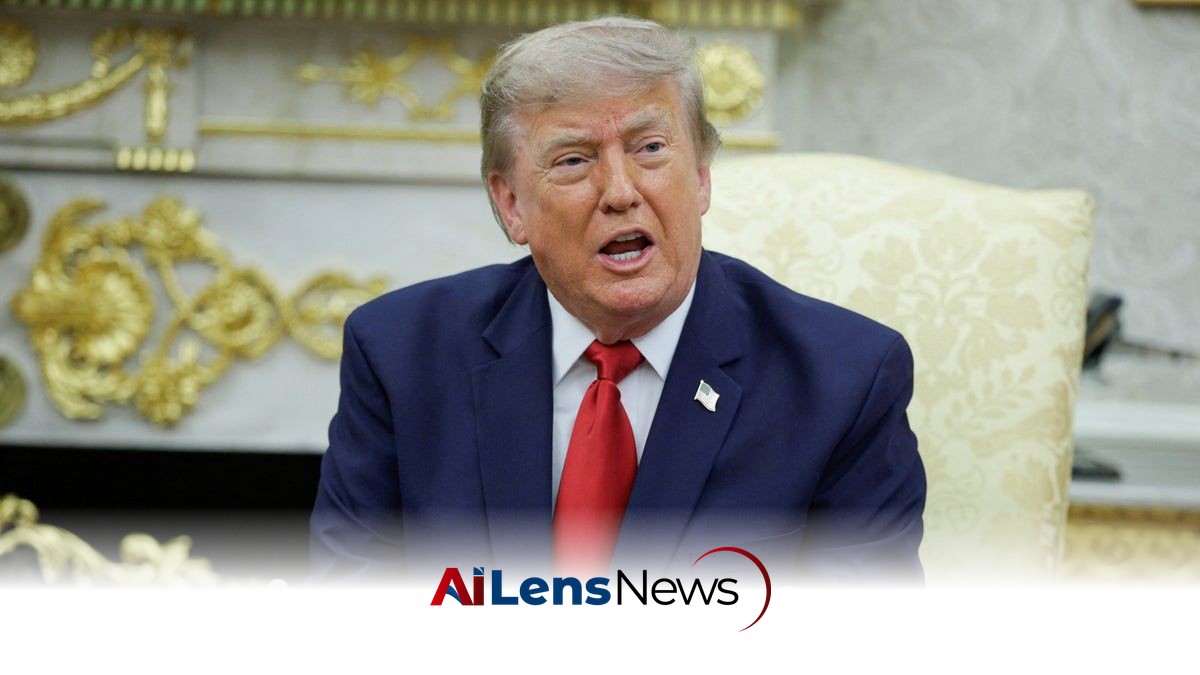


The introduction of a new $1 coin featuring Donald Trump's portrait raises significant questions regarding federal law and the portrayal of living individuals on currency.
London, United Kingdom Jul 15, 2026 ALN: The recent announcement of a new $1 coin featuring the portrait of former President Donald Trump has ignited a legal debate regarding the adherence to federal laws governing the depiction of living individuals on U.S. currency. This unprecedented move has left many questioning the implications and legality of such a decision.
According to Title 31 of the U.S. Code, it is explicitly stated that no living person can be depicted on U.S. coins or currency. This law has traditionally been upheld to maintain a standard of respect and dignity for the individuals who are honored through currency design. The introduction of Trump's image challenges this long-standing regulation.
The legal framework governing currency design is rooted in principles that have been in place for decades. The prohibition against depicting living individuals is intended to prevent the commodification of personal images and to ensure that currency remains a symbol of national heritage rather than a platform for individual celebrity. The law aims to uphold the integrity of U.S. currency and to avoid potential controversies that could arise from depicting current political figures.
Historically, U.S. currency has featured portraits of deceased presidents and other notable figures, such as founding fathers and civil rights leaders. The last living individual to be depicted on U.S. currency was President Dwight D. Eisenhower, who was featured on the Eisenhower dollar, but only after his death. This precedent reinforces the longstanding tradition that currency serves as a tribute to those who have made significant contributions to the nation, but only after they have passed away.
Moreover, the practice of honoring individuals with currency is steeped in historical significance. Currency serves as a reflection of national values and collective memory. The figures chosen for depiction are typically those who have shaped the nation’s identity, and the decision to honor them is often accompanied by a sense of reverence and historical context. The introduction of a living individual's portrait disrupts this narrative, leading to questions about the motivations behind such a choice.
The announcement has elicited mixed reactions from the public and lawmakers alike. Supporters of Trump's presidency view the coin as a fitting tribute to his time in office, arguing that it recognizes his influence on American politics and policy. They contend that the coin could serve as a historical artifact that reflects the current political landscape.
On the other hand, critics argue that it undermines the integrity of U.S. currency and sets a dangerous precedent. They express concerns that allowing the depiction of a living president could lead to a slippery slope where other political figures seek similar recognition, ultimately politicizing currency design. Critics also highlight the potential for divisiveness, as currency could become a battleground for political ideologies and personal agendas.
Legal experts are already speculating about the potential ramifications of this decision. If the coin is released, it is likely to face immediate challenges in court, questioning its compliance with federal law. The outcome of such legal battles could set a precedent for future currency designs. Legal scholars point out that if the law is interpreted strictly, the introduction of the coin could be deemed unconstitutional, leading to a complicated legal landscape.
Moreover, the implications of this legal debate extend beyond the immediate question of the coin's legality. A ruling against the coin could reinforce the boundaries set by federal law, while a ruling in favor could open the floodgates for future representations of living individuals on currency, fundamentally altering the relationship between currency and its historical representations.
The introduction of a $1 coin featuring Donald Trump's portrait not only raises questions about federal law but also ignites a broader conversation about the role of currency in reflecting national values and historical figures. Currency has always been more than just a medium of exchange; it serves as a canvas for the nation’s identity and collective memory. The decision to depict any individual, particularly a living one, on currency invites scrutiny regarding the criteria for such honors.
As the debate unfolds, it remains to be seen how lawmakers and the public will respond to this controversial move. The implications of this decision could reverberate through the political landscape, affecting how future generations view the role of currency in American society. It also raises questions about how political figures are remembered and honored in a democracy, and whether living individuals should be part of that narrative.
Ultimately, the legal and social discourse surrounding the Trump coin will likely continue to evolve, reflecting the complexities of American politics and the values that citizens hold dear. The outcome of this debate may not only shape the future of U.S. currency but also influence how history is recorded and celebrated in the years to come.
To understand the implications of this decision, it is essential to consider the broader context of currency design in the United States. U.S. currency has historically been a reflection of the nation's values, culture, and historical milestones. The choice of figures depicted on currency often aligns with national sentiments and collective memory, serving as a reminder of the ideals and struggles that have shaped the country.
The practice of depicting historical figures on currency can be traced back to the early days of the United States. The first coins issued by the U.S. Mint featured images of Lady Liberty, a symbol of freedom and democracy. Over the years, as the nation evolved, so did the figures chosen for representation. The introduction of images of presidents and other influential figures has been a way to honor their contributions while also reinforcing the ideals they stood for.
However, the decision to depict a living individual complicates this narrative. It raises questions about the motivations behind such a choice and whether it reflects a genuine desire to honor contributions or simply a political statement. This could lead to further debates about who deserves to be honored and the criteria for such recognition.
As the discussion surrounding the Trump coin continues, it is vital to recognize the potential consequences of this decision. The legal challenges that may arise could set precedents that impact the future of U.S. currency design, while the public's reaction could influence how political figures are honored in the future. The debate serves as a reminder of the complex relationship between currency, history, and politics in America, and the importance of maintaining the integrity of symbols that represent the nation as a whole.
In conclusion, the introduction of a $1 coin featuring Donald Trump's portrait is not merely a legal issue; it is a reflection of the ongoing tensions within American society regarding politics, identity, and the legacy of its leaders. The outcome of this situation will likely resonate beyond the realm of currency, shaping the narrative of American history and the values that the nation chooses to uphold.
To learn more about the latest developments in Political Controversies, stay updated with our exclusive reports and analyses on AiLensNews.

