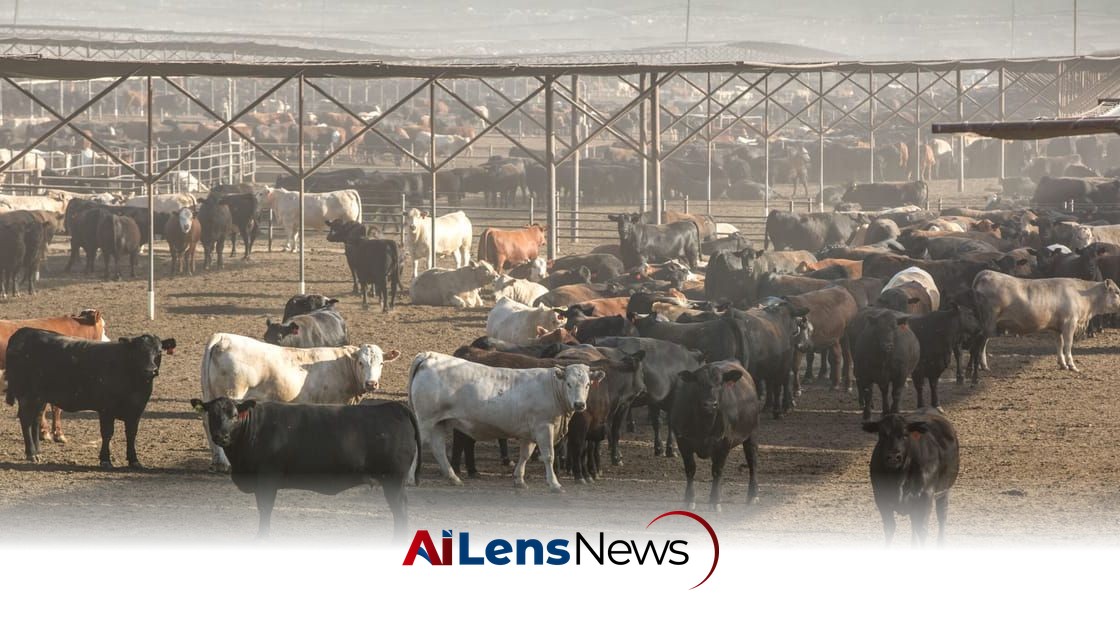


The U.S. declines to endorse a UN livestock declaration due to concerns over gender equality mentions, emphasizing a focus on environmental threats instead.
London, United Kingdom Jul 24, 2026 ALN: The Trump administration's decision to reject the United Nations' Global Plan of Action for Sustainable Livestock Transformation has sparked a significant conversation about the intersection of international policy, gender equality, and environmental sustainability. This rejection, articulated by Paul Welcher, an officer for the U.S. Department of Agriculture, underscores a broader ideological divide regarding how issues of gender and environmental concerns should be addressed on the global stage.
At the heart of the matter is the U.S. administration's discomfort with the repeated references to gender equality within the declaration. Welcher's comments during the Food and Agriculture Organization's (FAO) COAG30 summit in Rome highlighted a fundamental disagreement with the document's emphasis on inclusivity. The administration's stance reflects a belief that discussions surrounding gender and equality detract from what they consider the core tactical elements of sustainable livestock management, which include biodiversity, animal welfare, and disease prevention.
The Global Plan of Action for Sustainable Livestock Transformation is a voluntary agreement aimed at guiding countries toward more sustainable practices in livestock management. It seeks to address pressing issues such as climate change, animal welfare, and the spread of diseases that can affect livestock and, by extension, human populations. While the plan was ultimately adopted by delegates at the summit, the U.S. decision to disassociate itself from the agreement raises questions about the future of international cooperation on these critical issues.
Interestingly, the term "gender" appears only once in the document, primarily to highlight the importance of promoting equal opportunities for women in agriculture. The agreement emphasizes that gender equality is not merely a social issue but a critical component of achieving sustainable development goals. The document asserts that addressing the roles and contributions of women in agriculture can lead to improved nutrition and economic outcomes, thereby benefiting entire communities.
The emphasis on gender, youth, and inclusion as cross-cutting themes in the agreement is rooted in the understanding that sustainable transformation in agriculture cannot occur in isolation. It requires the participation and empowerment of all stakeholders, particularly those who have historically been marginalized in agricultural sectors. This perspective aligns with broader global initiatives aimed at achieving gender equality and empowering women, which have gained traction in recent years.
However, the U.S. administration's rejection of these themes reflects a more conservative approach to gender and social issues. The administration has previously articulated its position on gender, stating that it recognizes only two sexes, male and female, and that discussions surrounding gender identity are too ambiguous. This stance has implications not just for international agreements but also for domestic policy and discourse surrounding gender issues.
Moreover, the U.S. administration's preference for focusing on "specific environmental threats" rather than broadly addressing climate change indicates a significant ideological shift. This approach suggests a desire to narrow the conversation to immediate, tangible issues rather than engaging with the broader and more complex implications of climate change, which is a pressing concern for many countries and organizations worldwide.
The implications of the U.S. decision extend beyond the immediate context of the livestock declaration. It signals a potential retreat from international commitments that address gender equality and sustainability, themes that are increasingly recognized as integral to global development. The rejection may also embolden other nations with similar ideologies to resist international norms and agreements that prioritize inclusive practices.
Furthermore, the decision raises questions about the future of U.S. leadership in international agricultural policy. As countries around the world grapple with the dual challenges of food security and environmental sustainability, the U.S. stance may hinder collaborative efforts that require a unified approach to these pressing issues. The ability to foster cooperation among nations is critical, especially in areas that affect global food systems and environmental health.
The controversy surrounding the U.S. rejection of the UN farm declaration also brings to light the complexities of negotiating international agreements in a politically polarized environment. The differing views on gender and climate change reflect broader societal debates that often play out on the global stage, influencing how nations engage with one another and the priorities they set.
As the world continues to confront the challenges posed by climate change, biodiversity loss, and food insecurity, the need for inclusive and equitable solutions becomes increasingly urgent. The rejection of the Global Plan of Action for Sustainable Livestock Transformation by the Trump administration serves as a reminder of the ongoing tensions between traditional views and emerging perspectives on gender, sustainability, and international cooperation.
Ultimately, the implications of this decision will likely reverberate beyond the realm of livestock management. It serves as a case study in how political ideologies can influence international agreements and the ways in which nations prioritize issues of social justice, equality, and environmental stewardship. As the global community moves forward, the need for dialogue and understanding among diverse perspectives will be essential to crafting effective and inclusive solutions to the challenges we face.
In the context of global agricultural practices, the rejection of gender-inclusive policies could hinder the progress that has been made toward integrating women into the agricultural workforce, which is crucial for enhancing productivity and food security. Women play vital roles in agriculture, often being responsible for a significant portion of food production in many countries. Their exclusion from discussions on sustainable practices may lead to missed opportunities for innovation and improvement in agricultural efficiency.
Furthermore, the implications of this decision are not limited to the U.S. alone. Other nations, particularly those that have been advocates for gender equality and sustainable development, may view this rejection as a setback in their efforts to promote inclusive policies. The global community has increasingly recognized that sustainable development cannot be achieved without the active participation of all segments of society, including women and marginalized groups. The U.S. administration's stance could potentially weaken the resolve of other nations to pursue similar inclusive approaches, leading to a fragmented response to global challenges.
As the international community continues to address issues such as climate change and food security, it is vital that all nations recognize the interconnectedness of these challenges. The rejection of gender references in the UN declaration illustrates a broader ideological divide that may impede collaborative efforts to address these pressing issues. The ability to work together toward common goals is essential, especially in light of the urgent need for sustainable solutions that benefit both people and the planet.
In conclusion, the Trump administration's rejection of the UN's Global Plan of Action for Sustainable Livestock Transformation not only highlights the complexities surrounding gender and environmental policies but also raises significant questions about the future of international cooperation in addressing global challenges. As nations navigate the intricacies of these discussions, fostering an inclusive dialogue that embraces diverse perspectives will be crucial for crafting effective and equitable solutions that can withstand the test of time.
To learn more about the latest developments in Political Controversies, stay updated with our exclusive reports and analyses on AiLensNews.

