

The Conservative Party's assertion of nearly 900 jobs from the Jackdaw gas field development is contradicted by a recent environmental impact assessment revealing only 27 new roles.
London, United Kingdom Jul 18, 2026 ALN: The Jackdaw gas field, located in the North Sea, has become a focal point of contention in the ongoing debate about energy production, job creation, and environmental impact in the UK. The field is operated by Adura, a joint venture between Shell and Equinor, two major players in the global energy sector. Recent revelations regarding job creation associated with the Jackdaw project have sparked controversy, particularly in light of assertions made by Conservative Party officials that the project would create thousands of jobs.
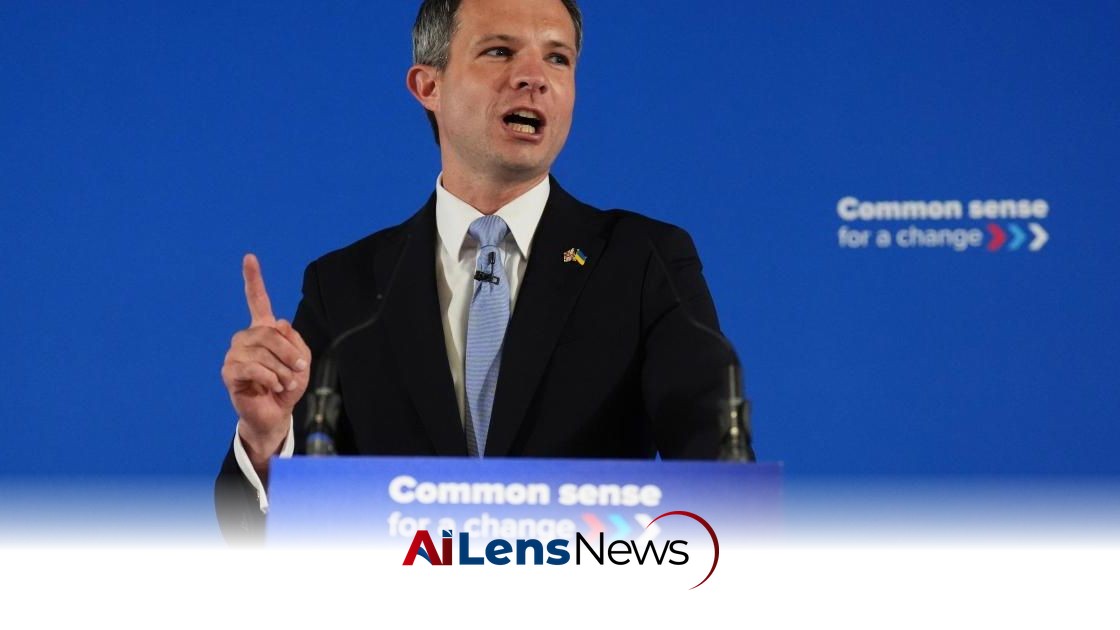
According to an environmental impact assessment submitted by Adura, the development of the Jackdaw gas field is expected to create only 27 new full-time equivalent jobs. This figure starkly contrasts with claims made by Tory politicians, including Andrew Bowie, the shadow Scottish secretary, who recently suggested that the project would create approximately 3,500 jobs during its construction phase and sustain around 880 high-quality jobs throughout its operational life. The discrepancy between the projected job numbers raises questions about the accuracy of the claims made by political figures and the motivations behind them.
The environmental assessment outlines that the total number of jobs associated with the Shearwater offshore platform, which would host the Jackdaw field, would amount to 300. This number includes the existing 273 jobs required for the operation of the Shearwater installation, with an additional 27 positions specifically related to Jackdaw activities. The assessment further indicates that the current employment levels at Shearwater are expected to remain stable for the duration of the Jackdaw project, as the platform will necessitate ongoing maintenance of its processing units and power generators. This stability contrasts with the fluctuating nature of employment typically seen in construction projects, where job numbers can swell dramatically during peak periods and then decline sharply once projects are completed.
Greenpeace, an environmental advocacy organization, has criticized the disparity between the government’s claims and the findings of the environmental assessment. The group argues that the figures presented by Adura contradict the long-standing narrative promoted by both the political and industry sectors, which has often justified new oil and gas developments on the basis of significant job creation. Angharad Hopkinson, a political campaigner at Greenpeace UK, stated that the assessment represents an "own goal" for Adura, highlighting that the project will not generate enough full-time jobs to justify the extensive claims made by political leaders. This critique reflects a broader skepticism towards the promises made by fossil fuel companies and their political allies regarding the economic benefits of new oil and gas projects.
This situation raises important questions about the broader implications of oil and gas exploration in the UK, particularly in light of the ongoing climate crisis. The environmental impact assessment has prompted calls for a reevaluation of the UK’s energy strategy, especially as the country grapples with the effects of climate change, evidenced by a record-breaking summer of extreme heat that many experts attribute to fossil fuel use. The UK has committed to reducing its greenhouse gas emissions to net zero by 2050, and the development of new fossil fuel projects like Jackdaw could be seen as contradictory to this commitment. Critics argue that investing in new gas fields may undermine the progress made in transitioning to renewable energy sources.
The political landscape surrounding energy production is shifting, especially with the recent ascension of Andy Burnham as the Labour leader. Reports have emerged suggesting that Burnham may consider approving new drilling in the North Sea, including the Jackdaw gas field, as one of his initial actions in office. This potential decision comes amid a backdrop of Labour’s 2024 General Election manifesto, which explicitly states the party's commitment to not issuing new licenses for the exploration of new oil and gas fields. The manifesto argues that such developments will not contribute to lowering energy bills, enhancing energy security, or mitigating the climate crisis. This creates a complex scenario for Burnham, as he must balance the pressures of party ideology with the practicalities of energy demands and economic realities.
Despite the Labour Party's stated position, the approval of the Jackdaw and Rosebank fields was granted by the previous Conservative government. However, these approvals were later challenged in court, leading to a complex legal situation that Labour figures believe could allow them to proceed with the developments without violating their manifesto commitments. This legal ambiguity may influence the party's strategy moving forward, especially as they navigate public opinion on energy policy and job creation. The legal challenges surrounding these approvals reflect a growing trend of environmental litigation, where activists and organizations seek to hold governments and corporations accountable for their environmental impact.
The debate surrounding the Jackdaw gas field also reflects a larger conversation about the future of energy in the UK. As the country transitions towards a more sustainable energy model, there is increasing pressure on the government to prioritize investments in renewable energy sources. Proponents of this shift argue that the clean energy sector has the potential to create far more jobs than traditional fossil fuel projects, while also addressing the urgent need for climate action. For example, investments in wind, solar, and other renewable energy technologies are not only seen as environmentally friendly but also as a means to stimulate economic growth and job creation in the green economy.
As the conversation evolves, stakeholders from various sectors—including environmental organizations, industry representatives, and political leaders—will continue to engage in discussions about the best path forward for the UK’s energy future. The revelations regarding the Jackdaw gas field and its associated employment figures underscore the complexities of balancing economic development with environmental stewardship and climate responsibility. The challenge lies in finding a sustainable approach that meets energy needs while also addressing the pressing issue of climate change.
The implications of the Jackdaw gas field development extend beyond immediate job creation figures. They touch upon the broader economic and environmental policies that will shape the UK’s energy landscape for years to come. As energy demands continue to grow and the impacts of climate change become increasingly apparent, the decisions made regarding projects like Jackdaw will play a critical role in determining the sustainability of the UK’s energy future. The ongoing discourse surrounding the project highlights the necessity of transparent and fact-based discussions in the energy sector.
In conclusion, the Jackdaw gas field has emerged as a significant case study in the intersection of energy policy, job creation, and environmental responsibility. As the UK navigates the complexities of energy production and climate change, the ongoing discussions surrounding the Jackdaw project will likely serve as a microcosm of the larger debates that will influence the nation’s energy strategy in the years ahead. The outcome of these discussions will have lasting implications not only for the UK’s energy policy but also for its commitments to climate action and sustainable development.
To learn more about the latest developments in Political Controversies, stay updated with our exclusive reports and analyses on AiLensNews.

