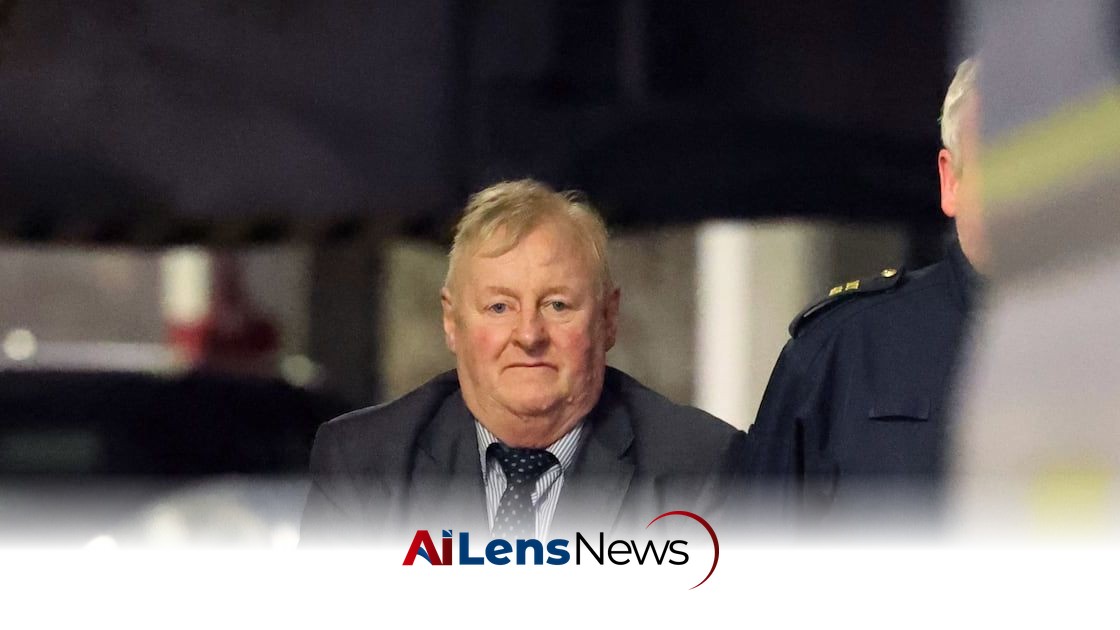


Micheál Martin expresses deep regret for the failures of public representatives in protecting victims of serial paedophile Bill Kenneally.
London, United Kingdom Jul 14, 2026 ALN: The recent formal apology issued by the Taoiseach, Micheál Martin, to the victims of serial paedophile Bill Kenneally marks a significant moment in the ongoing efforts to address historical abuses in Ireland. This apology was delivered in the Dáil, the lower house of the Oireachtas, and it serves not only as a recognition of the suffering endured by the victims but also as an acknowledgment of the failures of the State and public representatives in protecting vulnerable children.
Bill Kenneally, who died in prison in 2023 while serving a sentence for the indecent assault of ten boys during the 1980s, was a figure whose actions had long-lasting effects on his victims. The abuse occurred at various locations in Waterford, and it took decades for many of the victims to come forward, often due to the stigma and trauma associated with such experiences. The Taoiseach's apology was particularly aimed at those who had the courage to waive their anonymity to ensure that Kenneally's crimes were exposed, thus helping to protect other potential victims.
In his address, Martin specifically named several victims, including Jason Clancy, Paul Walsh, Kevin Keating, Colin Power, Barry Murphy, Simon O’Toole, and Gerard Mullane, acknowledging their bravery in coming forward. This public recognition is an important step in validating their experiences and acknowledging the pain they have endured. The Taoiseach emphasized that no words could ever compensate for the loss of childhood and the trauma inflicted upon these young boys, highlighting the State's failure to protect them.
Moreover, Martin's remarks pointed to the complicity of public representatives in failing to act against Kenneally, particularly referencing two former Fianna Fáil TDs, Billy Kenneally Snr and Brendan Kenneally, who were related to the abuser. This acknowledgment of the failure of duty by those in positions of power resonates deeply, as it underscores the systemic issues that allowed such abuses to occur unchecked for so long. The Taoiseach's statement that the TDs “failed the victims by putting their own relative first” reflects a broader concern about the prioritization of familial ties over the protection of children.
The apology comes in the wake of a commission report that examined the historical failures of An Garda Síochána, the national police service, in investigating Kenneally’s crimes. Justice Minister Jim O’Callaghan described the failure to properly investigate the allegations against Kenneally in 1987 as a "stain on the history of An Garda Síochána," illustrating the profound impact of institutional shortcomings on the lives of the victims. O’Callaghan has initiated steps to secure compensation for those who suffered due to these failures, indicating a commitment to providing redress and acknowledging the harm done.
The emotional responses from the victims and their advocates following the apology highlight the long journey they have faced in seeking justice and recognition. Colin Power expressed a sense of relief and satisfaction with the thoroughness of the apology, indicating that it felt like a long-awaited acknowledgment of their suffering. Gerry Mullane's comments about the emotional weight of the apology underscore the personal toll that the process of seeking justice has taken on the victims. Their desire for lessons to be learned from their experiences reflects a hope for systemic change that ensures similar failures do not occur in the future.
In addition to the apologies from the Taoiseach and Justice Minister, Garda Commissioner Justin Kelly also issued a personal apology to the victims, acknowledging the significant failures of the police force in handling the case. This collective acknowledgment from high-ranking officials is crucial in rebuilding trust, not only with the victims but also with the broader community that may feel disillusioned by the State's previous inaction.
Political leaders from various parties, including Sinn Féin and Labour, have emphasized the need for the government to act on the recommendations of the commission report. Mary Lou McDonald, leader of Sinn Féin, stressed the importance of not only delivering on the promise of compensation but also ensuring that the systemic issues that allowed such abuses to occur are addressed. Labour leader Ivana Bacik called for the introduction of a new offence of misconduct in public office to combat the culture of silence that has historically prevailed in cases of abuse.
The implications of this apology and the surrounding discussions extend beyond the immediate context of Kenneally's case. They touch upon broader societal issues regarding the treatment of abuse survivors, the responsibilities of public officials, and the need for comprehensive reforms within institutions tasked with protecting vulnerable populations. The acknowledgment of past failures is a critical step towards fostering a culture of accountability and transparency, which is essential for preventing future abuses.
As the victims and their advocates reflect on this moment, there is a palpable sense of hope that the apology will lead to tangible changes in how such cases are handled moving forward. The call for a more empathetic approach to victims and a more efficient legal process resonates strongly, as many survivors have faced significant hurdles in their pursuit of justice. The commitment to engage with victims in the process of securing compensation is a promising development, suggesting a shift towards a more victim-centered approach in the aftermath of trauma.
Ultimately, the Taoiseach's apology serves as a reminder of the ongoing need for vigilance in protecting the rights of children and ensuring that institutions are held accountable for their actions. The stories of Kenneally's victims are a stark reminder of the consequences of neglect and the importance of prioritizing the safety of the most vulnerable members of society. As Ireland moves forward from this dark chapter, the hope is that the lessons learned will lead to a more just and compassionate society, where the voices of survivors are heard and valued.
To learn more about the latest developments in Political Controversies, stay updated with our exclusive reports and analyses on AiLensNews.

