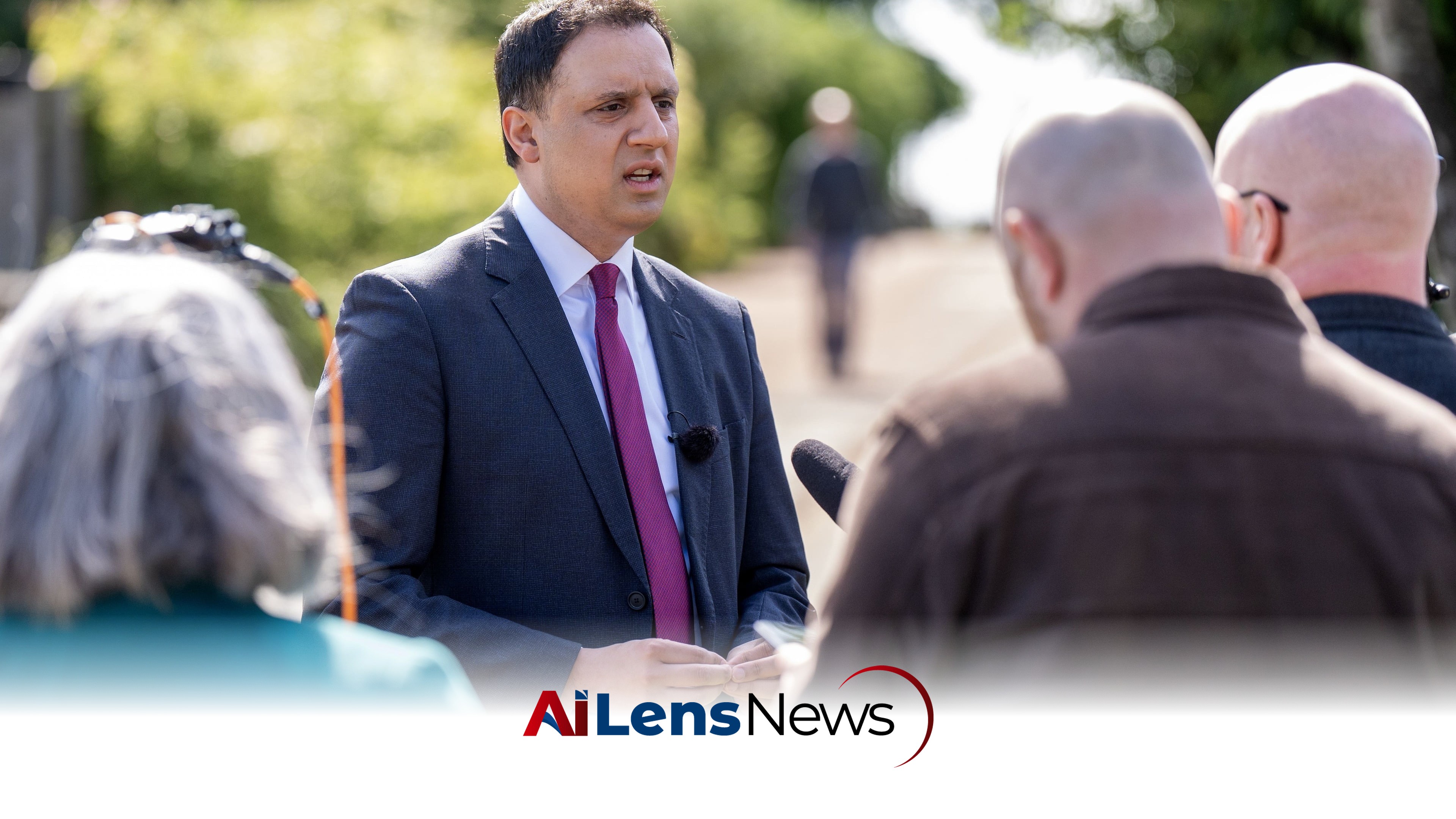


Anas Sarwar, the leader of the Scottish Labour Party, is set to join the government of Greater Manchester Mayor Andy Burnham as a minister, marking a significant political move.
London, United Kingdom Jul 22, 2026 ALN: In a notable political development, Anas Sarwar, the leader of the Scottish Labour Party, has been appointed as a minister in the government of Greater Manchester Mayor Andy Burnham. This appointment is seen as a strategic move for both Sarwar and Burnham, aiming to strengthen Labour's influence in both Scotland and Greater Manchester. The implications of this partnership may reverberate throughout the Labour Party as it seeks to redefine its position in the UK political landscape.
As the Scottish Labour leader, Sarwar has been vocal about various issues affecting Scotland, including health care, education, and economic recovery post-pandemic. His new role in Burnham's administration is expected to enhance collaboration between the Scottish Labour Party and local governance in England, particularly in addressing shared challenges. This collaboration is particularly significant given the unique political context in which both leaders operate, as they navigate the complexities of regional governance in a multi-national state.
Burnham, who has been a prominent figure in Labour politics, welcomes Sarwar's expertise and experience. This partnership is anticipated to bring a fresh perspective to the government, especially in areas where Scottish and Greater Manchester interests align. The collaboration between Sarwar and Burnham could also serve as a model for how regional leaders can work together to address issues that transcend national borders, such as public health, education reform, and economic recovery strategies. The potential for joint initiatives could foster a more integrated approach to governance in the UK, where local authorities often face similar challenges.
Burnham has been a vocal advocate for devolution and has positioned himself as a champion for local government autonomy. His administration has focused on delivering tangible results for the people of Greater Manchester, particularly in the wake of the COVID-19 pandemic, which has disproportionately affected urban areas. Sarwar's appointment may enhance this focus and provide additional insights into how similar policies can be adapted or implemented in Scotland. The experience Sarwar brings could be invaluable in shaping policies that resonate with constituents both north and south of the border.
The appointment comes at a time when Labour is seeking to regain momentum in both Scotland and England. The party has faced challenges in recent years, particularly in Scotland, where it has struggled to compete with the Scottish National Party (SNP) for dominance in Scottish politics. Sarwar's leadership has been pivotal in revitalizing the party's image in Scotland, and his new ministerial role could further bolster Labour's position ahead of upcoming elections. The political landscape in Scotland has been significantly shaped by the SNP's focus on independence and progressive policies, making it imperative for Labour to carve out a distinctive identity that appeals to voters.
Under Sarwar's leadership, Scottish Labour has sought to redefine its identity and appeal to a broader electorate, focusing on issues such as social justice and economic inequality. By taking on a ministerial role in Burnham's government, Sarwar may be able to leverage his experience and understanding of Scottish issues to influence policy decisions that benefit both regions. This could also provide a platform for Scottish Labour to advocate for policies that address the specific needs of Scottish constituents while aligning with broader Labour principles.
Moreover, the Labour Party's performance in the upcoming elections will be closely monitored, as it could determine the future direction of the party in both Scotland and the rest of the UK. Sarwar's dual role may help bridge gaps between different factions within the party and foster a more unified approach to campaigning and governance. The dynamics within the party are complex, with varying priorities and strategies among its leadership, making Sarwar's position critical in navigating these challenges.
Observers are keen to see how Sarwar will navigate his dual responsibilities. His involvement in Burnham's government may also influence Labour's strategies in the run-up to the next general election, particularly in how the party addresses regional disparities and collaborates across borders. This dual role could serve as a testing ground for innovative policies that address the needs of constituents in both areas. The collaboration may also facilitate a more cohesive narrative for Labour, emphasizing unity and shared goals.
Additionally, Sarwar's position may enable him to advocate for greater investment in public services, which have been under strain due to budget cuts and the pressures of the pandemic. His insights from Scotland could inform Burnham's policies, particularly in health care, where both regions are grappling with similar challenges, such as waiting times and resource allocation. The interconnected nature of public health systems in the UK underscores the importance of collaborative approaches in addressing these pressing issues.
Furthermore, the relationship between Sarwar and Burnham could set a precedent for future collaborations between Scottish and Labour leaders. The potential for joint initiatives on issues such as climate change, transport infrastructure, and economic development could emerge as a focus of their partnership. This could lead to a more cohesive Labour strategy that resonates with voters across the UK. The emphasis on regional collaboration may also enhance Labour's appeal to younger voters who prioritize progressive policies on social and environmental issues.
Overall, Sarwar's appointment is viewed as a significant step for Labour, potentially reshaping the political landscape in both Scotland and Greater Manchester. As the party seeks to revitalize its presence and influence, the collaboration between Sarwar and Burnham may provide the momentum needed to address pressing issues and reinvigorate the party's base. The success of this partnership will likely depend on their ability to effectively communicate their shared vision and deliver tangible results that resonate with constituents.
In conclusion, the implications of this appointment extend beyond immediate political gains. It represents a concerted effort to unify Labour's approach to governance across the UK and tackle the shared challenges that both regions face. As the political landscape continues to evolve, the effectiveness of this partnership will likely be scrutinized, with the potential to influence Labour's future direction in both Scotland and England. The collaboration may also serve as a catalyst for broader conversations about the role of regional governance in the UK, particularly in light of ongoing debates about devolution and local autonomy.
To learn more about the latest developments in Elections, stay updated with our exclusive reports and analyses on AiLensNews.

