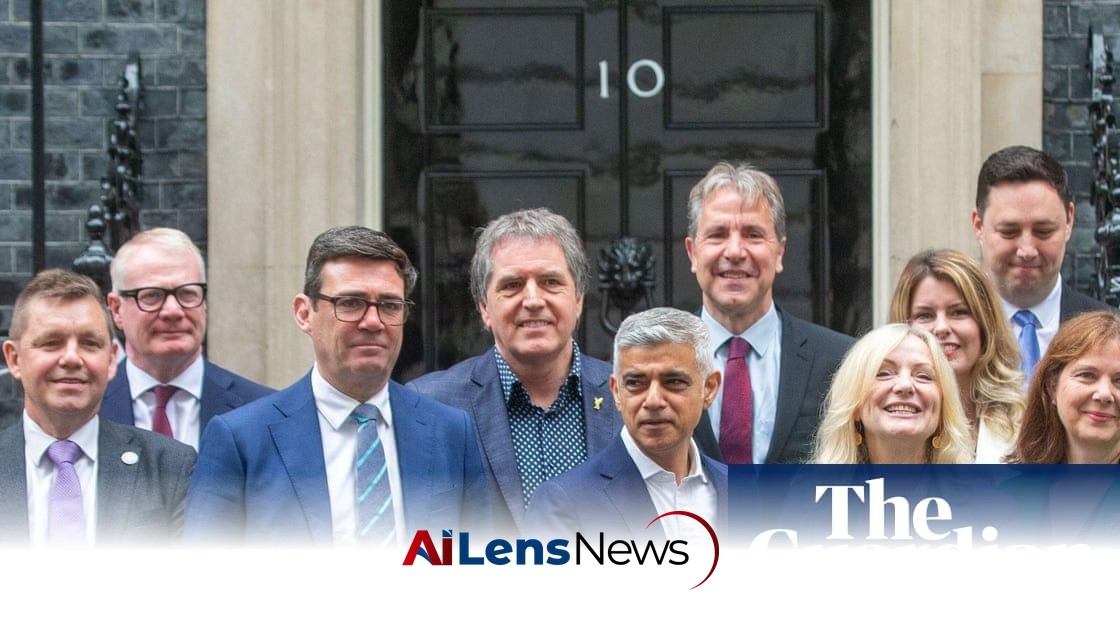


Andy Burnham announces the establishment of No 10 North, empowering regional mayors in UK economic policy decisions, aiming for a significant rebalancing of power.
London, United Kingdom Jul 24, 2026 ALN: Regional mayors are set to take on a pivotal role in shaping the UK’s economic policy, according to Andy Burnham, who described the launch of No 10 North as "the biggest rebalancing of power our country has seen." This initiative aims to decentralize decision-making and enhance collaboration between local leaders and the government. The concept of empowering regional leaders is not new but has gained significant momentum in recent years as the UK grapples with economic disparities between its regions.
The new prime minister has revived the National Economic Council (NEC), originally established by Gordon Brown during the 2008 financial crisis, emphasizing the need for urgent and collective action to drive economic growth. The NEC was created to provide a platform for coordinated economic policy-making, especially during times of crisis, and its revival signals a recognition of the need for a more structured approach to economic governance. In an article for the Guardian, Burnham stated, "When I entered Downing Street, I told staff that the era of fighting devolution is over. No one in government loses when power is shared." This statement reflects a significant shift in the political landscape, where the traditional centralization of power in Westminster is being challenged by a desire for local autonomy and regional empowerment.
Burnham will chair the inaugural meeting of the NEC on Friday, which will convene senior ministers and regional mayors, placing devolution at the heart of his government’s agenda. This meeting is expected to set the tone for future discussions and decisions regarding economic policy, with an emphasis on local input and expertise. He expressed that despite Whitehall departments establishing outposts, decision-making power has largely remained centralized in London. The No 10 North initiative seeks to rectify this imbalance by ensuring that regions have a direct line to the heart of government. This decentralization is viewed as essential for addressing the unique challenges faced by different parts of the UK, particularly in the context of post-pandemic recovery.
"It is about driving growth from the most powerful office in the land and doing so in close alignment with the Treasury. It is about taking power down and placing it in the hands of people who can use it best," Burnham remarked. This approach aligns with broader trends in governance where local leaders are increasingly seen as crucial players in economic development. By empowering regional mayors, the government aims to leverage local knowledge and priorities in shaping national economic strategies.
As the first British leader to operate from Manchester on a weekly basis, Burnham faces the challenge of demonstrating that this initiative is not merely symbolic. The decision to establish a base in Manchester, rather than London, underscores the importance of the regions in the UK’s economic narrative. Earlier this week, he established a new prime minister’s department that integrates parts of the Cabinet Office, Treasury, and housing ministry, aiming to become the dominant force in driving the UK’s economy. This structural reorganization is intended to facilitate more effective collaboration across government departments and enhance the focus on regional economic issues.
In a significant move, Burnham appointed his ally, Louise Haigh, to lead the Office for the Prime Minister and the Cabinet, which will oversee both No 10 North in Manchester and the London operation. Haigh, along with education secretary Lucy Powell and communities secretary Angela Rayner, plans to spend time working from No 10 North, with civil servants expected to be relocated there as well. This relocation of key personnel is a strategic decision aimed at ensuring that regional concerns are prioritized in government policy-making.
With regional mayors invited to participate in decision-making processes, Downing Street argues that this approach will solidify devolution at the core of economic policy, fulfilling the prime minister’s commitment to collaborate with local leaders rather than merely making decisions on their behalf. This collaborative model is expected to foster a sense of ownership among local leaders and encourage innovative solutions tailored to regional needs.
Located in Heron House, Manchester’s city center, which also serves as GCHQ’s northern headquarters, No 10 North aims to unify local economic growth and devolution efforts under one roof, promoting a cohesive strategy rather than competing initiatives. This physical presence in the North is symbolic of a broader commitment to regional development and signals a departure from the traditional London-centric approach to governance.
Burnham is anticipated to work from No 10 North weekly, ensuring that decisions regarding the country’s economic future are no longer solely made in Westminster. Other ministers are also expected to regularly operate from this location, reinforcing the idea that regional issues deserve equal attention and resources. This shift in operational dynamics could lead to more responsive and relevant policy-making that reflects the diverse needs of the UK’s regions.
Dave Penman, general secretary of the FDA union representing senior civil servants, has welcomed the structural changes but cautioned that relocation is a significant decision for staff. The logistics of moving civil servants to Manchester, including considerations of their personal circumstances and the impact on their work-life balance, will be crucial in ensuring a smooth transition. Currently, at least seven employees from the Greater Manchester Combined Authority, including Burnham’s deputy chief of staff Caroline Simpson, are transitioning to the temporary building while a brownfield site is developed. This move is part of a broader strategy to revitalize the area and demonstrate a commitment to local economic growth.
The NEC’s attendees will vary with each meeting, bringing together business leaders, trade unions, and other stakeholders whose expertise can enhance decision-making processes. This inclusive approach aims to foster collaboration between various sectors and ensure that economic policies are informed by a wide range of perspectives. Under Gordon Brown, the NEC convened bi-weekly and played a crucial role in coordinating emergency responses during the financial crisis, although concerns were raised about its potential to undermine the Treasury’s authority. The current government appears to be taking a more collaborative stance, seeking to integrate insights from various stakeholders rather than imposing top-down directives.
Burnham envisions that the Manchester department will be vital in his mission to "drive reindustrialisation and growth across every postcode of the UK." He stated, "It will remove barriers to regeneration, from council house building to public transport infrastructure. Crucially, No 10 North will bring the whole of Whitehall together behind places rather than standing in their way." This vision reflects a broader understanding of economic development as a holistic process that requires collaboration across sectors and levels of government. By prioritizing infrastructure and housing, the initiative aims to address some of the most pressing challenges facing communities across the UK.
He concluded with a clear long-term ambition: to achieve equivalent living standards across all regions and nations of the UK. This goal highlights the disparities that exist within the country and the urgent need for targeted policies that can address these inequalities. By empowering regional leaders and fostering collaboration, the No 10 North initiative aims to create a more balanced and equitable economic landscape for all citizens. The implications of this initiative are profound, potentially reshaping the relationship between central and local government and paving the way for a more inclusive and responsive economic policy framework in the UK.
To learn more about the latest developments in Elections, stay updated with our exclusive reports and analyses on AiLensNews.

