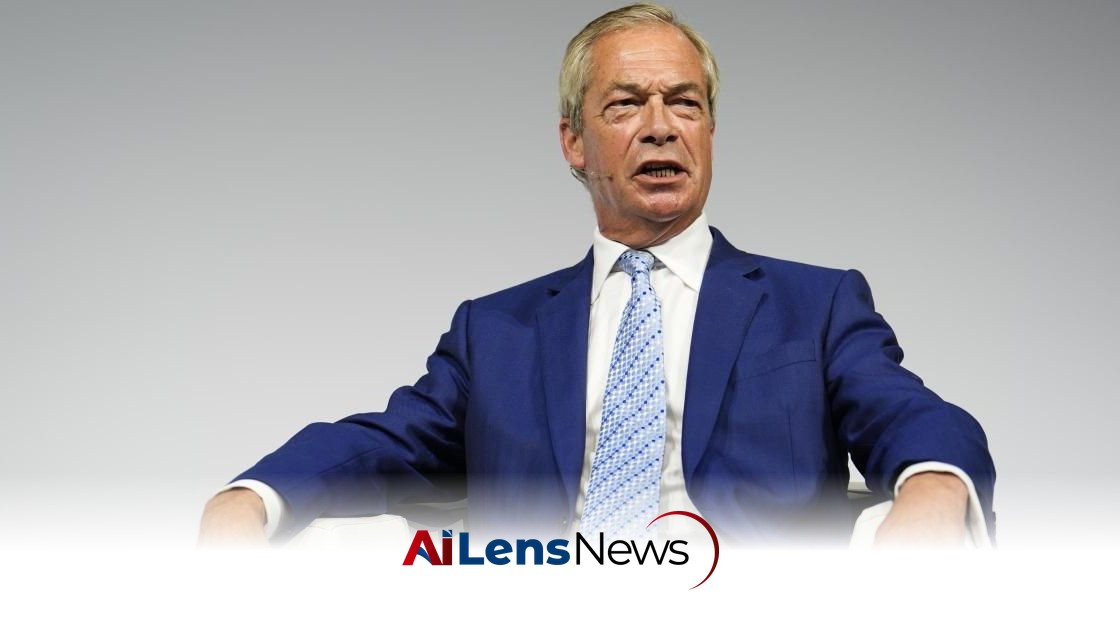


Reform UK's amendment to criminalize election materials in Gaelic and Scots has drawn sharp criticism, likening the move to Franco's regime in Spain.
London, United Kingdom Jul 15, 2026 ALN: The recent proposal by Reform UK to criminalize election materials produced in Gaelic and Scots has ignited a significant backlash from various communities and political figures. The party, led by Nigel Farage, has been accused of echoing the oppressive language policies of historical regimes, particularly that of Spanish dictator Francisco Franco, who famously suppressed regional languages in favor of a singular national identity.
Reform UK's amendment to the Representation of the People Bill seeks to establish penalties for political materials that do not utilize or Welsh. If this proposal is enacted, individuals or organizations found in violation could face imprisonment for up to six months, alongside potential monetary fines. This move has raised alarms among advocates for linguistic diversity and cultural preservation, who argue that it undermines the rights of minority language speakers.
When approached for clarification, a spokesperson for Reform UK asserted that the amendment was intended solely for elections within England and Wales, and not for Scotland or Northern Ireland. However, the text of the amendment includes explicit provisions that would impose criminal penalties in Scotland, raising questions about the party's understanding of the legal framework it is attempting to navigate. This has led to concerns about the potential for misinterpretation and misapplication of the law, which could further alienate minority language speakers.
Critics have been quick to highlight the implications of such a proposal. Scots speaker and author Billy Kay drew parallels between Reform UK's actions and the historical repression of languages in Catalonia during Franco's regime. In his commentary, he referenced his book Scots: The Mither Tongue, emphasizing the long-standing struggle against imperialist attitudes that seek to diminish the use of native languages. He noted that the sentiment expressed in the proposed amendment mirrors Franco's directive to promote the language of the empire over regional dialects, suggesting a broader agenda at play. This historical context underscores the sensitivity surrounding language rights, particularly in regions with strong cultural identities.
Former SNP election candidate and Gaelic speaker Eilidh Munro criticized the party's rationale, labeling their explanation of an "administrative mess-up" as a weak attempt to deflect criticism. She pointed out that Gaelic and Scots are recognized as official languages under the Scottish Languages Act, which was enacted to promote and protect Scotland's linguistic heritage. Munro argued that the ability to communicate in one's native language is essential for democratic engagement, and that all communities should have access to election materials in languages relevant to them. This perspective highlights the importance of inclusivity in political discourse and the role that language plays in fostering a sense of belonging within communities.
Munro's sentiments reflect a growing concern among language advocates regarding the treatment of bilingualism and multilingualism in the UK. She noted that many constituents expressed appreciation for receiving election materials in Gaelic during her campaign, highlighting the importance of inclusivity in political discourse. This perspective aligns with broader trends in many democracies, where multilingual communication is increasingly recognized as a vital component of effective governance. The ability to engage with constituents in their native languages not only enhances understanding but also empowers individuals to participate more fully in the democratic process.
Reform UK's controversial stance on language issues is not new. The party faced backlash last year when Farage disparaged bilingual schoolchildren in Glasgow, calling their presence "culture-smashing." This rhetoric has contributed to an image of the party as hostile to cultural diversity, particularly in relation to the Welsh language, which Farage previously described as "foreign." Such comments have led to accusations that Reform UK is fostering an environment of fear and division regarding linguistic identity. The party's rhetoric has raised concerns about the potential for increased societal polarization, particularly in an era where cultural and linguistic diversity is becoming increasingly important.
In response to the proposed amendment, the Scottish National Party (SNP) has condemned Reform UK's actions as an attempt to suppress Scotland's native languages. Gaelic speaker and former Member of the Scottish Parliament (MSP) Alasdair Allan articulated a growing concern that the party's proposal represents a departure from the previously established cross-party consensus on the importance of protecting Gaelic. He argued that the proposal seems designed to incite fear of linguistic diversity rather than promote understanding and acceptance. This shift in political discourse raises questions about the future of language rights in Scotland and the potential for divisive politics to undermine cultural heritage.
Allan highlighted the historical significance of Gaelic in Scotland, noting that it has been spoken for over 1500 years and is an integral part of the nation's cultural fabric. He expressed dismay at the notion that some individuals might leverage political agendas to undermine the language, suggesting that such actions could have damaging repercussions for Scotland's cultural heritage. The historical context of Gaelic as a language of resistance and identity adds a layer of complexity to the current political climate, as advocates work to ensure its survival and revitalization.
In a bid to counter the narrative that Reform UK is anti-Gaelic, MSP Max Bannerman stated that the party is committed to protecting the linguistic heritage of Britain. He insisted that the amendment was not intended to diminish Scotland's identity or heritage, although this assertion has been met with skepticism by many who view the proposal as counterproductive to the goals of linguistic preservation. The party's attempts to distance itself from accusations of cultural insensitivity may not be enough to quell the growing dissent among language advocates and those who view the proposal as a direct threat to their linguistic rights.
The implications of this proposal extend beyond mere political rhetoric; they touch on broader themes of identity, cultural heritage, and the rights of minority language speakers. In an increasingly globalized world, the ability to communicate in multiple languages is seen as a valuable asset, fostering greater understanding and collaboration among diverse communities. The pushback against Reform UK's amendment underscores the importance of recognizing and valuing linguistic diversity as a cornerstone of a healthy democracy. The ability to engage in meaningful dialogue across linguistic lines is essential for building inclusive societies that respect and celebrate cultural differences.
As the debate continues, it is clear that the issue of language rights in the UK will remain a contentious topic. Advocates for Gaelic and Scots are likely to intensify their efforts to ensure that these languages are preserved and promoted, while critics of Reform UK will continue to challenge the party's approach to cultural and linguistic diversity. The outcome of this proposed amendment could set a significant precedent for how minority languages are treated in the political arena, making it a critical issue for both current and future generations. The stakes are high, as the decisions made today will shape the landscape of linguistic rights and cultural identity in the UK for years to come.
To learn more about the latest developments in Political Controversies, stay updated with our exclusive reports and analyses on AiLensNews.

