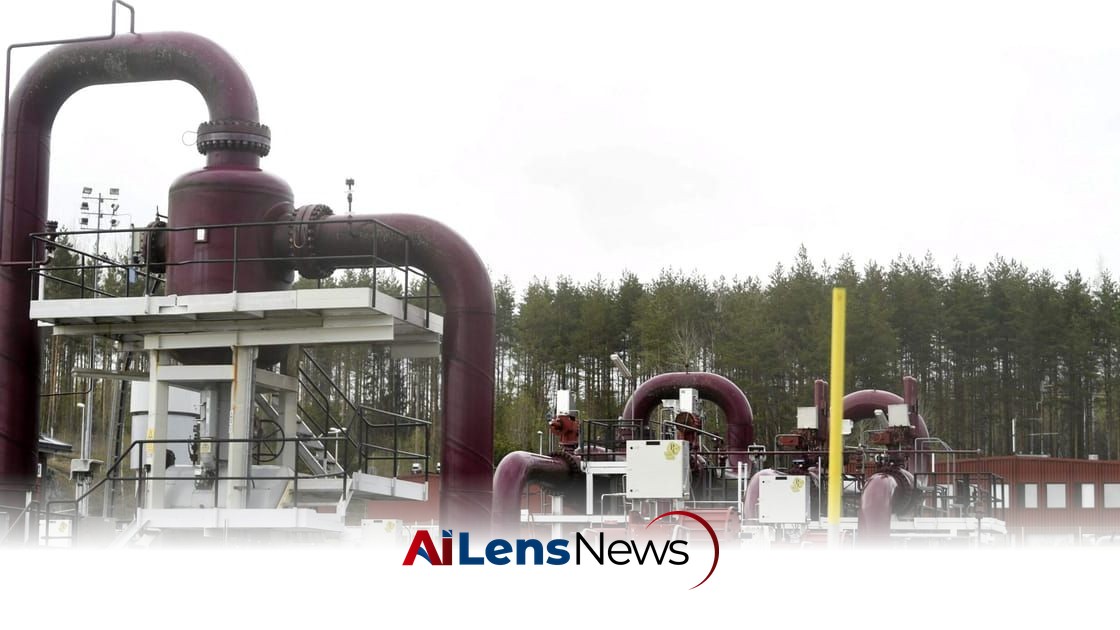


NATO's 32 members have agreed on a significant €27 billion investment to modernize the alliance’s military fuel transport system, enhancing readiness against potential threats.
London, United Kingdom Jul 22, 2026 ALN: NATO countries finalized a €27 billion deal to overhaul the alliance’s military fuel transport system, the organization announced Wednesday. This significant investment marks a pivotal moment for NATO as it seeks to modernize its infrastructure in response to evolving geopolitical threats, particularly the heightened tensions with Russia.
The €27 billion investment will modernize NATO’s existing fuel storage and distribution infrastructure, ensuring that the alliance is equipped with the necessary energy supplies for warfighting readiness. The statement from NATO emphasized that this overhaul will support new facilities, including pipelines, primarily in the eastern and south-eastern regions of the Alliance. This is particularly crucial given the strategic importance of these areas, which have seen increased military activity and presence from NATO forces in recent years.
NATO’s 32 ambassadors signed off on the deal during their last regular meeting before the summer break, a decision that underscores the urgency of enhancing military logistics in light of potential conflicts. The approval came after Turkey, which had previously expressed reservations, dropped its last-minute bid to hold up the compromise. This move was critical as it allowed for a consensus among member states, enabling the initiative to move forward. The two NATO diplomats who provided insights into the negotiations were granted anonymity to speak freely about the classified talks.
The military alliance has also agreed to raise its common funding budget to “up to EUR 6.5 billion” for the upcoming year, reflecting a broader commitment to defense spending and investment. This budget increase is part of a strategic plan that includes investment priorities set for the next five years, with a specific budget of €5.3 billion agreed upon for 2026. Such financial commitments highlight NATO’s focus on enhancing its operational capabilities and ensuring that member countries can respond effectively to any potential threats.
Negotiations surrounding the revamp of NATO’s extensive 10,000-kilometer Cold War-era pipeline network have been ongoing for several months. This network was initially designed to connect NATO’s existing systems in Western Europe with newer member countries in the east and north. The need for modernization has become increasingly apparent as geopolitical dynamics shift and the alliance prepares for various scenarios that could arise in the near future.
The current project is being touted as NATO’s largest-ever and most expensive commonly funded scheme, with a timeline that could extend up to 30 years for full completion. This ambitious initiative encompasses a wide range of projects, including pipeline upgrades and the establishment of energy storage sites. Such developments are expected to enhance the alliance’s logistical capabilities and ensure that military operations can be sustained over prolonged periods if necessary.
One of the diplomats involved in the discussions remarked, “A stronger NATO is in the pipeline,” underscoring the significance of this overhaul not just for immediate operational needs but also for the long-term strategic posture of the alliance. The commitment to modernizing fuel infrastructure is seen as a critical step in ensuring that NATO remains prepared for any eventuality.
Despite the broad agreement on the deal, NATO countries had previously expressed concerns about the high costs associated with the agreement. Some member states feared that the substantial financial commitment would lock them into fuel projects for decades, potentially diverting resources from other pressing defense needs. However, these objections were eventually set aside, allowing the alliance to move forward with the necessary upgrades.
At a recent leaders’ gathering in Ankara, NATO Secretary-General Mark Rutte praised the political deal reached by allies regarding the revamp. He referred to the agreement as a “historic step,” emphasizing that it would modernize the existing fuel storage and distribution infrastructure. Rutte’s comments reflect the broader sentiment within NATO regarding the need for enhanced capabilities in light of contemporary security challenges.
Although there was a general consensus among member states about the necessity of the deal, Turkey mounted a last-minute effort to resist an agreement after the gathering. This was seen as an attempt by Turkey to secure fast-tracked funding for its own projects. The complexities of negotiations within NATO often reflect the diverse interests of its member states, each with their unique security concerns and priorities.
Ultimately, Secretary-General Rutte’s intense push for a deal, combined with the support from NATO’s top commander, U.S. Gen. Alexus Gregory Grynkewich, who emphasized the necessity of the agreement, likely played a pivotal role in achieving consensus. This collaboration among NATO leaders illustrates the importance of unity and strategic alignment within the alliance, particularly in the face of external threats.
As NATO moves forward with this substantial investment in its fuel infrastructure, the implications for the alliance and its member states are significant. The modernization of the fuel transport system is not merely a logistical improvement; it represents a broader commitment to collective defense and readiness in an era marked by uncertainty and potential conflict. The ability to efficiently transport and store fuel will enhance NATO’s operational capabilities, allowing for quicker and more effective responses to crises.
In conclusion, the €27 billion overhaul of NATO’s military fuel transport system is a landmark decision that underscores the alliance's commitment to modernization and readiness. As geopolitical tensions continue to evolve, this initiative will play a crucial role in ensuring that NATO remains a formidable force in the defense of its member states. The successful implementation of this project will likely serve as a model for future investments in military infrastructure, reinforcing the importance of adaptability and foresight in defense planning.
To learn more about the latest developments in Elections, stay updated with our exclusive reports and analyses on AiLensNews.

