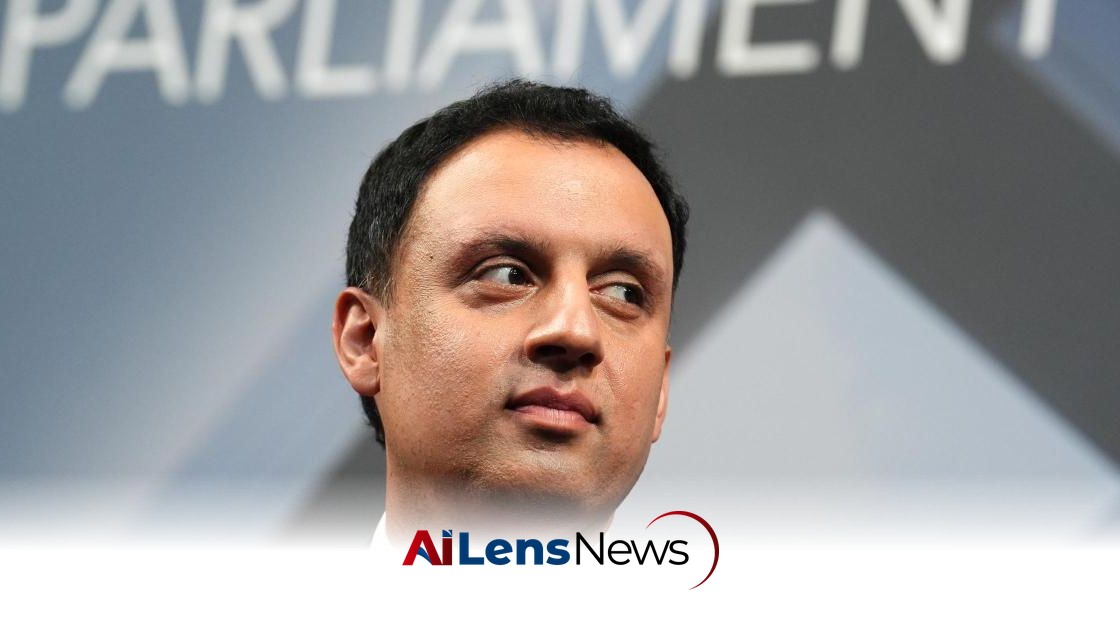


Labour's plans to grant Anas Sarwar a peerage have drawn sharp criticism, with accusations of undemocratic practices and betrayal of Scottish voters.
London, United Kingdom Jul 22, 2026 ALN: The Labour Party is currently facing intense scrutiny and backlash following reports that Anas Sarwar, the party's leader in Scotland, is set to receive a peerage, which would allow him to join Andy Burnham’s UK Government as the business minister. This development has sparked outrage among critics who view the move as a significant departure from democratic principles and a betrayal of the constituents Sarwar was elected to serve. The implications of this potential appointment extend beyond Sarwar's personal career trajectory, touching on broader issues of political accountability and representation in Scotland.
Anas Sarwar, who represents Glasgow in the Scottish Parliament, has been a prominent figure in Scottish Labour, advocating for various social issues and striving to rejuvenate the party's image following a series of electoral setbacks. His expected resignation from his position in Holyrood due to parliamentary regulations that prohibit individuals from holding dual mandates marks a significant shift in the political landscape. Sarwar's resignation would automatically elevate Monica Lennon, a left-leaning candidate who previously challenged him in the Scottish Labour leadership election, to a Member of the Scottish Parliament (MSP) position on the Glasgow list. This transition is not merely procedural; it signifies a potential reconfiguration of leadership and policy direction within the Scottish Labour Party, which has struggled to regain its footing in a political environment increasingly dominated by the Scottish National Party (SNP).
The backdrop to this controversy is the recent electoral performance of the Labour Party in Scotland, where the party suffered its worst result in history during the last Scottish Parliament elections, losing four seats. This electoral setback has raised questions about the leadership and direction of the Labour Party in Scotland. The party's inability to connect with voters and present a compelling alternative to the SNP has led to a crisis of confidence among its supporters. Critics of the Labour Party have been vocal in their condemnation of Sarwar's anticipated peerage, viewing it as a symptom of a larger malaise within the party.
Keith Brown, the deputy leader of the Scottish National Party (SNP), has described the situation as one of the "most undemocratic tricks in the Westminster book." He expressed concern that this move undermines the principles of devolution and democratic accountability that Labour has purported to support. Brown's comments highlight a broader sentiment among opposition parties that the Labour Party is failing to live up to its commitments to the electorate. The SNP, which has positioned itself as the champion of Scottish interests, is likely to leverage this situation to further critique Labour's credibility and commitment to Scottish governance.
Brown went on to criticize Andy Burnham, the Mayor of Greater Manchester and a prominent figure within the Labour Party, for what he perceives as a contradiction between Burnham's rhetoric about new politics and the reality of Sarwar's peerage. He argued that such actions send a negative message in the wake of Labour's disappointing performance in the recent Scottish Parliament elections. The juxtaposition of Sarwar's potential elevation to a peerage with the party's struggles in Scotland raises questions about the priorities of Labour's leadership and its ability to resonate with its base.
Hannah Mary Goodlad, an SNP MSP and Minister for Public Finance, echoed Brown's sentiments, condemning Sarwar for what she termed "opportunistic politics." Goodlad expressed frustration that Sarwar appears to be prioritizing personal ambition over the needs of the communities he represents. She articulated a call for politicians to put their constituents first, stating, "People putting themselves before their place, before their communities, before the people they are meant to serve. We can do better." This criticism reflects a growing concern among voters about the motivations of elected officials and their commitment to public service. Goodlad's remarks resonate with a public increasingly disillusioned with career politicians who seem to prioritize personal advancement over the collective welfare of their constituents.
Neil Findlay, a former Labour MSP, also weighed in on the controversy surrounding Sarwar's reported peerage. Findlay criticized Sarwar's leadership, claiming that he actively undermined his predecessor, Richard Leonard, during his tenure. He suggested that Sarwar's appointment to the House of Lords would be an inappropriate reward for what he characterized as a failure to lead effectively. Findlay's remarks highlight the internal divisions within the Labour Party and the challenges it faces in rebuilding trust among its supporters. The perception that Sarwar's ascent is undeserved may further exacerbate existing tensions within the party as factions vie for influence and direction.
Adding to the chorus of criticism, Thomas Kerr, the deputy leader of Reform UK Scotland, expressed disappointment in Sarwar's decision to pursue a peerage. Kerr pointed out that just weeks prior, Sarwar had campaigned for the trust of Glasgow voters, insisting that his future lay in Scotland. Kerr argued that Sarwar's actions demonstrate a betrayal of that trust, stating, "The people of this city deserve representatives who will stand and fight for them, not politicians who treat public office as a stepping stone to their next job." This perspective underscores the perception among some voters that politicians are more interested in advancing their careers than serving their constituents' interests. As political disillusionment grows, the Labour Party must contend with the ramifications of such perceptions, which could further alienate potential supporters.
The potential appointment of Anas Sarwar to the House of Lords raises important questions about the relationship between the Labour Party and its base in Scotland. The backlash against Sarwar's peerage reflects broader concerns about political accountability and the disconnect between elected officials and the electorate. As the Labour Party navigates this controversy, it will need to address the growing discontent among its constituents and consider the implications of Sarwar's potential appointment for its future in Scottish politics.
In the context of recent electoral challenges, Labour's leadership will have to engage with its supporters to rebuild trust and demonstrate a commitment to the principles of democracy and public service. The backlash against Sarwar's peerage may serve as a catalyst for a broader conversation within the party about its direction and priorities, particularly as it seeks to regain ground in Scotland, where the SNP has dominated the political landscape in recent years. The perception that Labour is out of touch with the needs and desires of the Scottish electorate poses a significant obstacle to the party's revival.
Ultimately, the situation surrounding Anas Sarwar's reported peerage illustrates the complexities of modern politics, where the ambitions of individual politicians can clash with the expectations of the electorate. As the Labour Party grapples with this issue, it will be crucial for its leaders to listen to the concerns of their constituents and reaffirm their commitment to representing the interests of the communities they serve. The challenge lies not only in managing the immediate fallout from Sarwar's potential appointment but also in fostering a culture of accountability and responsiveness that can help restore faith in the party's ability to govern effectively in Scotland.
To learn more about the latest developments in Political Controversies, stay updated with our exclusive reports and analyses on AiLensNews.

