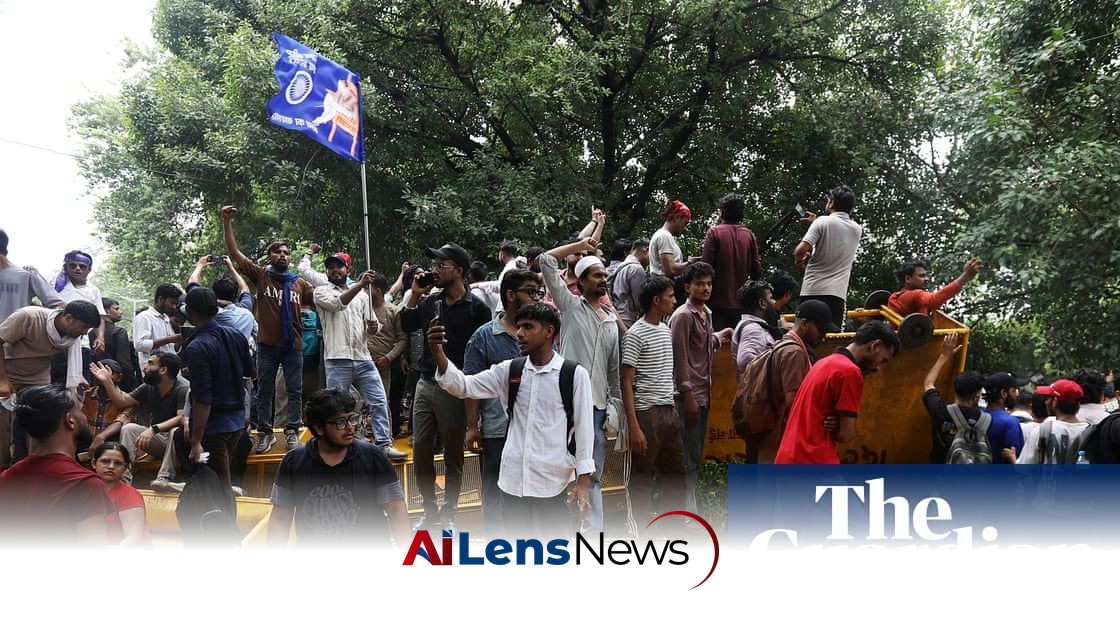


The Cockroach Janta Party has gained traction in India, mobilizing tens of thousands in protests against the education system and youth unemployment.
London, United Kingdom Jul 20, 2026 ALN: The emergence of the Cockroach Janta Party in India marks a significant shift in the political landscape, driven by widespread discontent over the education system and soaring youth unemployment. This grassroots movement has quickly garnered attention, mobilizing tens of thousands of protesters who recently marched through the streets of Delhi, defying police barriers and showcasing their frustration.
The Cockroach Janta Party, a term coined to symbolize resilience and tenacity, has become a rallying point for young people disillusioned with the current state of affairs. The party's rise can be traced back to growing frustrations over the inadequacies of the education system, which many believe has failed to equip students with the necessary skills for the job market. The term "Cockroach" reflects the idea of survival and persistence in the face of adversity, akin to the insect that is often seen as a nuisance but is incredibly resilient.
In recent years, India has witnessed a significant demographic shift, with a large proportion of its population comprising young people. According to recent statistics, over 65% of India's population is under the age of 35, making youth issues critical to the nation's future. The education system, however, has struggled to keep pace with the demands of a rapidly changing economy, leading to a disconnect between what is taught in schools and colleges and the skills required by employers.
On a recent day of action, protesters flooded the streets of Delhi, chanting slogans and carrying banners that highlighted their demands for educational reform and job creation. The sheer number of participants—estimated in the tens of thousands—caught the attention of both the media and government officials, signaling a potential shift in political power dynamics. The protesters, many of whom were students and recent graduates, expressed their frustrations through creative means, including songs, poetry, and art, which resonated with a broader audience.
Social media played a pivotal role in organizing and amplifying the movement. Platforms such as Twitter, Instagram, and Facebook were flooded with posts using hashtags related to the protests, allowing the movement to gain traction beyond Delhi and inspiring solidarity protests in other cities. The Cockroach Janta Party's ability to harness digital platforms reflects a growing trend among youth movements worldwide, where technology acts as a catalyst for social change.
The protests have sparked a mixed response from the public and government officials. While many citizens express solidarity with the protesters, calling for urgent reforms, some government representatives have downplayed the movement, labeling it as a fringe group. This dismissive attitude has further fueled the anger of the protesters, who argue that their concerns are legitimate and should be taken seriously. The government’s response has included a mix of dialogue and repression, with some officials engaging with student leaders while others have sought to quell the protests through police presence.
Public sentiment appears to be shifting, with many citizens recognizing the importance of addressing youth issues as a matter of national priority. The protests have sparked discussions in various forums, including social media, news outlets, and public debates, highlighting the urgent need for educational reforms and job creation strategies. Various civil society organizations and activists have also joined the cause, amplifying the voices of the protesters and advocating for systemic changes.
The Cockroach Janta Party's rapid rise could have significant implications for India's political landscape. As the movement continues to gain momentum, it may force political parties to address the pressing issues of education and employment more seriously. The protests serve as a reminder of the power of collective action and the importance of listening to the voices of the youth. Political analysts suggest that the growing discontent among young voters could influence upcoming elections, potentially reshaping party platforms and strategies.
Moreover, the Cockroach Janta Party's emergence reflects a broader trend of youth activism globally, where young people are increasingly taking to the streets to demand change. This movement could inspire similar initiatives in other regions, as young people around the world grapple with comparable issues of unemployment, educational inadequacies, and government accountability.
In conclusion, the Cockroach Janta Party's emergence highlights a critical juncture in India's socio-political environment, driven by the urgent need for reform in education and employment. As the movement evolves, it will be crucial to monitor its impact on the broader political discourse and the government's response to the demands of the youth. The outcome of this movement could set a precedent for future youth-led initiatives and shape the trajectory of Indian politics in the years to come.
To learn more about the latest developments in Political Controversies, stay updated with our exclusive reports and analyses on AiLensNews.

