

Greece's refusal to support new EU sanctions on Russia, aimed at curbing gas exports, has delayed negotiations and highlighted tensions within the bloc.
London, United Kingdom Jul 22, 2026 ALN: EU countries failed to reach a deal on sweeping new sanctions against Russia on Wednesday night, after Greece blocked the measures in order to protect its fuel shipping industry.
Wednesday’s talks, which wrapped after 7.30pm, were just the latest in a series of efforts to secure the unanimous agreement needed on the slew of energy and trade measures designed to drain Moscow’s war chest. The package was presented in June but discussions over the details have dragged on, despite significant parts — like a ban on Russian seafood imports and visa restrictions for its soldiers — being watered down in the process.
Athens has dug in its heels over a proposed ban on EU companies shipping Russian gas to consumers outside the EU, arguing it goes beyond what leaders had previously agreed and that practice would continue anyway with vessels just re-registering abroad. The importance of this debate cannot be overstated, as it highlights the ongoing tensions within the EU regarding how to balance economic interests against the need to impose sanctions on Russia in light of its military actions in Ukraine and its broader geopolitical behavior.
The implications of Greece's stance are significant, as the EU has been striving to present a united front against Russia since the onset of the conflict in Ukraine. The sanctions are part of a broader strategy aimed at limiting Russia's economic capabilities and pressuring it to cease hostilities. However, the reliance of certain member states on Russian energy supplies complicates these efforts. Greece, in particular, has a vested interest in maintaining its shipping industry, which is crucial for its economy and provides thousands of jobs.
Ambassadors will hold an extra round of negotiations on Thursday morning in a bid to save the package, an EU diplomat confirmed. The urgency of these negotiations underscores the precarious nature of the EU's collective decision-making process, where the requirement for unanimous consent means that a single member state can effectively halt progress. This has led to frustrations among some EU leaders who feel that the bloc’s response to Russian aggression is being hampered by individual national interests.
Ireland, which holds the rotating Presidency of the Council of the EU, on Wednesday proposed allowing European gas tankers to export Russian liquefied natural gas (LNG) to third countries until January 2029. The proposal capped Russian exports and also banned new contracts. This compromise reflects an understanding of the need for some flexibility in the sanctions regime while still attempting to limit Russia's energy revenues. However, the Greek government has so far refused the compromise and instead wants an indefinite exception, said three EU diplomats involved in the discussions, granted anonymity to talk about the sensitive negotiations.
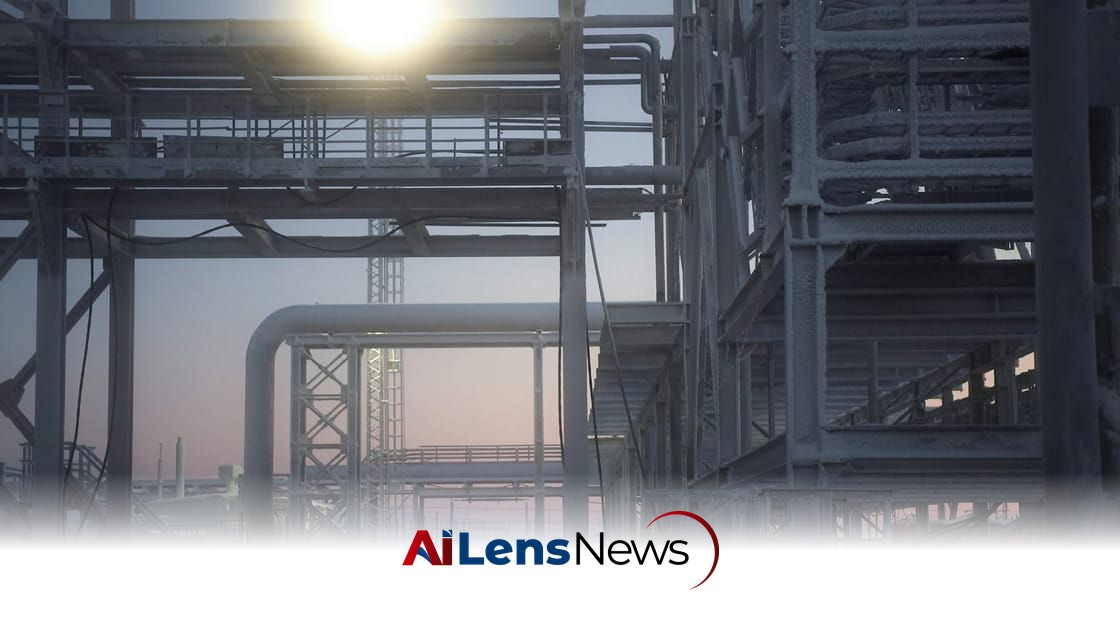
Greece’s Dynagas shipping company is one of the few that operates ice-ready ships that can reach Russia’s LNG terminal on the Arctic Ocean. If the EU would ban its companies from exporting Russian gas, the Greek government argues the ships will simply register elsewhere, reducing EU oversight. This potential circumvention of sanctions is a concern that has been raised by other EU member states as well, as they fear that without stringent enforcement mechanisms, the sanctions could be rendered ineffective.
Greece's merchant shipping fleet of more than 5,000 vessels carries around a fifth of the world's cargo by weight, more than any other country. It has the world's largest LNG fleet by capacity. This dominance in global shipping gives Greece significant leverage in negotiations, particularly when it comes to issues of energy transport and trade. The country’s strategic position in the Mediterranean also plays a vital role in the energy supply chain for Europe, making its cooperation essential for any comprehensive energy policy.
The delay also means the ceiling the EU maintains on Russian oil purchases will need to be extended again for a short period of time. Moscow’s crude is only allowed to be sold at a fraction of the market rate, but rising energy prices as a result of the war in the Middle East would see the $44.10-per-barrel limit recalculated and the Kremlin receive a windfall profit. This scenario highlights the complex interconnections between global energy markets and geopolitical conflicts, as fluctuations in one region can have significant repercussions in another.
Because sanctions require unanimity among the EU’s 27 capitals, national governments can put a price on their consent by seeking other concessions. Former Hungarian Prime Minister Viktor Orbán, for example, was a notorious blocker of such support for Ukraine, although EU leaders hope Budapest will prove less obstructive under his successor, Péter Magyar. This historical context illustrates the challenges the EU faces in forming a cohesive policy response to external threats, as individual member states prioritize their national interests over collective action.
The initial proposal for the sanctions package — the 21st since Russia launched its full-scale invasion of Ukraine — included restrictions on travel for former fighters of the Russian armed forces, sanctioning dozens more banks and preventing another 250 individuals from entering the bloc. Each new package of sanctions reflects the evolving nature of the conflict and the EU's attempts to adapt its strategies in response to Russia’s actions. However, the frequent need to negotiate and amend these proposals demonstrates the difficulties in achieving a unified stance among member states.
The delay pushes discussions down to the wire and past the anticipated cut-off for legislative business, with Wednesday having originally been the final ambassadors meeting until after the August summer holidays. The evening session also saw envoys attend a farewell dinner for colleagues changing posts before they reconvene in September following the break. This timing adds an additional layer of urgency, as any protracted negotiations could lead to a lapse in the enforcement of existing sanctions or a weakening of the EU's overall position against Russia.
In conclusion, Greece's decision to block the proposed sanctions against Russia highlights the complexities and challenges faced by the EU in navigating its foreign policy amid internal divisions. As the bloc continues to grapple with the implications of the ongoing conflict in Ukraine, the need for a coherent and unified response remains critical. The outcome of these negotiations will not only impact the EU's relationship with Russia but also have significant repercussions for global energy markets and international relations more broadly.
To learn more about the latest developments in Political Controversies, stay updated with our exclusive reports and analyses on AiLensNews.

