

The EU's foreign ministers failed to finalize the 21st sanctions package against Russia, with a Wednesday deadline looming to freeze the oil price cap.
London, United Kingdom Jul 13, 2026 ALN: BRUSSELS — The European Union (EU) foreign ministers faced a significant setback on Monday as they were unable to reach a consensus on the bloc’s 21st package of sanctions against Russia. This delay has prompted EU ambassadors to convene in an urgent meeting to discuss the critical issue of freezing the price cap on Russian crude oil exports by Wednesday, which marks the last opportunity to prevent an automatic increase in the cap.
The sanctions package is a response to Russia's ongoing military aggression and its implications for global security and stability. The EU has been actively involved in imposing sanctions on Russia since the onset of the conflict, aiming to weaken its economic capabilities and limit its military operations. The proposed package includes a provision to maintain the oil price cap at $44.10 per barrel. This measure is particularly important as it aims to counteract the potential windfall that Russia could receive from higher global oil prices, which have been exacerbated by the ongoing conflict in the Middle East, particularly the war in Iran.
Without freezing the price cap, the EU risks allowing the cap to rise automatically in line with market prices, which could ultimately provide Russia with additional revenue at a time when the international community is striving to impose economic pressure on the Kremlin. The potential increase in the oil price cap could undermine the very purpose of the sanctions, which is to limit Russia's financial resources for its military endeavors.
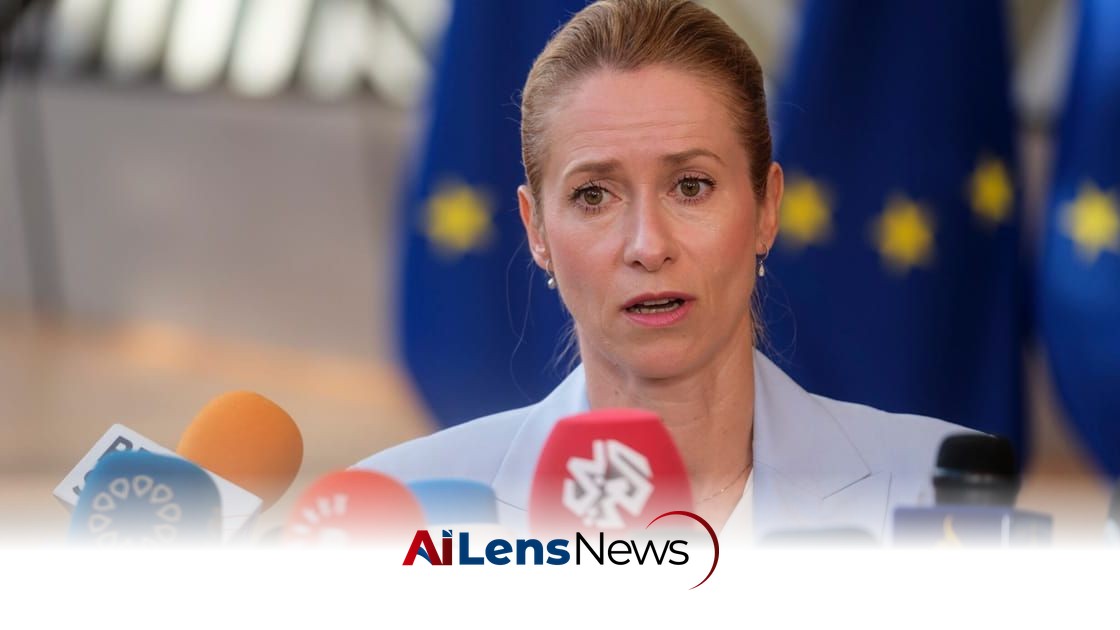
Following the meeting, Kaja Kallas, the EU’s top diplomat, expressed her disappointment over the lack of agreement on the sanctions package. "Yes, I also regret that we don’t have agreement on the 21st package," she stated, highlighting the urgency of the situation. The current geopolitical climate necessitates swift and decisive action, and the inability to finalize the sanctions package could be seen as a setback in the EU's efforts to present a united front against Russian aggression.
EU ambassadors are expected to meet either on Tuesday afternoon or Wednesday morning to discuss the possibility of freezing the oil price cap separately from the rest of the sanctions package. Kallas refrained from speculating whether this measure would be approved independently, indicating the complexities involved in reaching a consensus among member states. The discussions are likely to revolve around the varying interests of EU member states, some of which may have differing economic dependencies on Russian oil.
The 21st sanctions package has undergone significant changes in recent weeks, with certain proposed measures being removed or softened. Notably, a proposed ban on Russian fish exports was eliminated over the weekend, which reflects the ongoing negotiations and the need to balance economic considerations with political objectives. Additionally, restrictions on EU visas for former soldiers have also been toned down, indicating a potential compromise to ensure broader support for the package among member states.
Despite the challenges in finalizing the 21st package, Kallas emphasized that the EU remains committed to extending sanctions on Russia in other critical areas. This includes measures targeting Russian cyberattacks and its prison service, which have been associated with human rights abuses and violations of international law. Kallas noted that the EU is sanctioning Russia at an unprecedented speed and scale, with the current measures and the upcoming sanctions package totaling over 250 listings. This reflects the EU's determination to hold Russia accountable for its actions and to demonstrate solidarity with Ukraine and other nations affected by Russian aggression.
The implications of the delay in approving the sanctions package extend beyond immediate economic considerations. It raises questions about the EU's unity and resolve in the face of external threats. As the geopolitical landscape continues to evolve, the EU must navigate the complexities of member state interests while maintaining a cohesive strategy against Russia. The ongoing discussions among ambassadors will be crucial in determining the next steps and ensuring that the EU's sanctions regime remains effective.
Moreover, the situation underscores the broader challenges faced by the EU in coordinating a collective response to geopolitical crises. The diverse economic interests of member states can complicate decision-making processes, particularly when it comes to sanctions that may have direct implications for energy security and economic stability. As the EU seeks to balance its political objectives with economic realities, the outcome of the upcoming meetings will be closely watched by both domestic and international stakeholders.
In conclusion, the failure to approve the 21st sanctions package against Russia highlights the complexities of international diplomacy and the ongoing challenges faced by the EU in responding to aggression. The urgent discussions among ambassadors will be pivotal in determining the future of the sanctions regime and the EU's ability to project strength and unity in the face of external threats. As the situation develops, it will be essential for the EU to remain vigilant and adaptable, ensuring that its policies effectively address the evolving geopolitical landscape while safeguarding the interests of its member states.
Furthermore, the EU's approach to sanctions against Russia has evolved over time. Initially, the sanctions focused on specific individuals and entities associated with the Russian government and military. However, as the conflict has escalated, the EU has broadened its scope to include sectors critical to the Russian economy, such as energy, finance, and defense. This shift reflects a growing recognition of the need to apply comprehensive pressure on the Kremlin to alter its behavior.
The discussions surrounding the sanctions package also reveal the intricate balance the EU must strike between enforcing punitive measures against Russia and considering the economic implications for its own member states. Some countries, particularly those with significant energy ties to Russia, have expressed concerns about the potential repercussions of stringent sanctions on their economies. This has led to a more cautious approach in some instances, as member states weigh their national interests against the collective goals of the EU.
In addition, the geopolitical landscape is further complicated by external factors, such as the energy crisis resulting from the ongoing conflict in Ukraine and other regions. The EU has been striving to diversify its energy sources and reduce its dependence on Russian fossil fuels, but this transition is fraught with challenges. As prices fluctuate and global markets react to geopolitical tensions, the EU must navigate these complexities while maintaining a unified stance against Russia.
As the EU prepares for upcoming discussions, the potential for compromise remains a focal point. The dynamics within the EU often hinge on negotiations that require concessions from various member states. The removal of certain proposed measures from the sanctions package illustrates the delicate nature of these discussions and the need for consensus to ensure the effectiveness of sanctions.
Ultimately, the outcome of the EU's deliberations will have significant implications not only for Russia but also for the broader international community. The EU's ability to present a united front against aggression is crucial for maintaining global stability and security. As the situation unfolds, the world will be watching closely to see how the EU navigates these challenges and whether it can adapt its strategies to effectively counter Russian actions while safeguarding the interests of its member states.
To learn more about the latest developments in Political Controversies, stay updated with our exclusive reports and analyses on AiLensNews.

