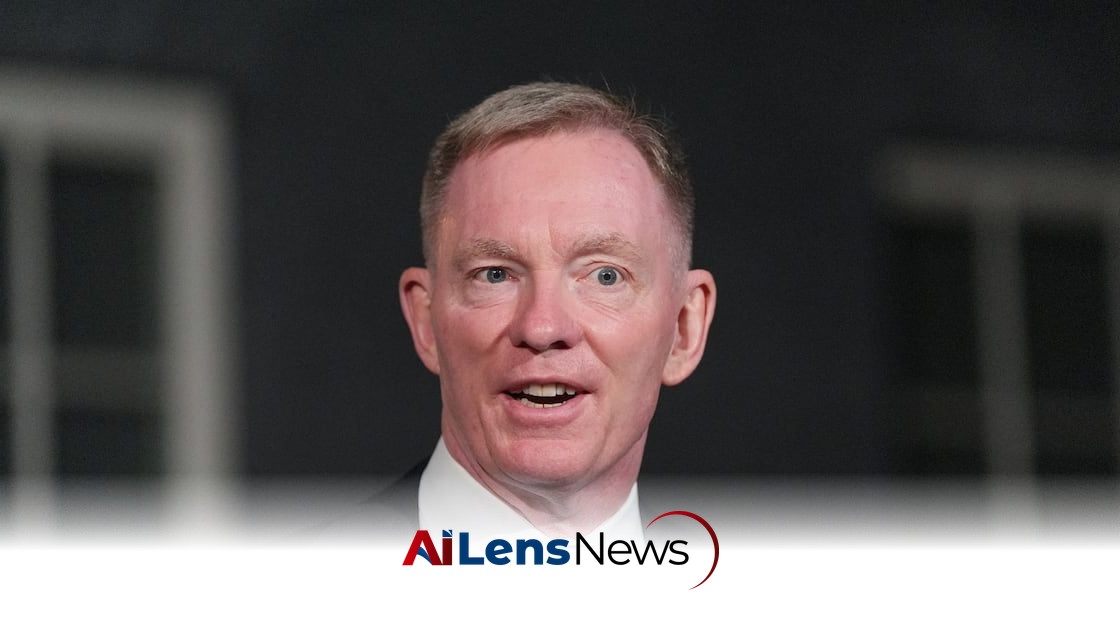


Chris Bryant has taken over as Northern Ireland Secretary from Hilary Benn after a significant cabinet reshuffle by new UK Prime Minister Andy Burnham.
London, United Kingdom Jul 21, 2026 ALN: Chris Bryant's appointment as Northern Ireland Secretary marks a pivotal moment in the UK's political landscape, particularly in the context of Northern Ireland's complex and historically fraught relationship with both the British government and the Republic of Ireland. This reshuffle, orchestrated by the newly appointed Prime Minister Andy Burnham, signals a significant shift in leadership at a time when Northern Ireland faces considerable challenges, including a funding crisis affecting public services and ongoing political instability.
Chris Bryant, who has served as a Member of Parliament (MP) since 2001, brings with him a wealth of experience from his previous role as Minister of State for Trade under Keir Starmer's administration. His long tenure in Parliament has equipped him with a deep understanding of legislative processes and the intricacies of governance. His appointment follows Hilary Benn's two-year tenure as Northern Ireland Secretary, during which Benn was credited with fostering improved relations between the UK and Irish governments and addressing various sensitive issues related to Northern Ireland's past.
Hilary Benn's departure was unexpected for many observers, particularly given his recent efforts to engage with the UK Treasury and Northern political parties to address the pressing funding crisis. His tenure had been marked by significant initiatives aimed at stabilizing the region and enhancing cooperation across party lines. Benn's public acknowledgment of the privilege he felt in serving as Secretary of State reflects the personal investment he made in the role and the relationships he cultivated during his time in office.
One of Benn's notable achievements was the negotiation of a new framework for addressing the legacy of the Troubles, a period of conflict in Northern Ireland that lasted from the late 1960s until the 1998 Good Friday Agreement. This new framework, agreed upon by both Dublin and London in 2025, aimed to provide a more balanced approach to dealing with the past, moving away from the controversial Legacy Act that had been criticized for its perceived inadequacies in addressing the needs of victims and families affected by the conflict. However, Benn's efforts were not without controversy; he faced criticism for attempts to amend the legislation in favor of British army veterans and for his decision against granting a public inquiry into the murder of GAA official Seán Brown, which left some feeling that justice had not been fully served.
In the wake of Benn's departure, various political leaders in Northern Ireland have expressed their sentiments regarding his time in office. Minister for Foreign Affairs Helen McEntee lauded Benn for his commitment to fostering Irish-British relations, emphasizing his understanding and purposeful approach to governance. Such praise underscores the importance of collaboration between the two governments in addressing the unique challenges faced by Northern Ireland.
DUP leader Gavin Robinson acknowledged the significant disagreements they had on key issues, notably concerning legacy matters and the Windsor Framework, which governs the post-Brexit relationship between Northern Ireland and the rest of the UK. Robinson's remarks highlight the ongoing complexities of Northern Ireland's political landscape, where differing perspectives must be navigated carefully to maintain stability and foster constructive dialogue. He emphasized the need for Bryant to work collaboratively with all political parties to strengthen Northern Ireland's position within the UK while ensuring accountable governance that meets the needs of its citizens.
Similarly, SDLP leader Claire Hanna recognized Benn's thoughtful and engaged approach, contrasting it with previous secretaries of state. Her comments reflect a broader sentiment that while progress has been made, there remains a significant amount of work to be done, particularly in light of the impending budget crisis and upcoming Assembly elections. Hanna's assertion that the new Northern Ireland Secretary inherits a "full and urgent agenda" serves as a reminder of the pressing issues that must be addressed to ensure the continued stability and prosperity of the region.
The timing of this cabinet reshuffle is critical, as Northern Ireland grapples with the fallout from the COVID-19 pandemic, economic challenges, and the ongoing effects of Brexit. The Stormont executive's failure to agree on a multiyear budget has left public services in a precarious position, prompting urgent calls for action from various political leaders and community organizations. Bryant's role will be crucial in navigating these challenges and working towards a solution that addresses the immediate needs of the populace while also considering long-term stability and growth.
As Bryant steps into his new role, he will need to balance the expectations of various stakeholders, including political parties, community groups, and the UK government. His predecessor's experience serves as a valuable lesson in the importance of diplomacy, negotiation, and the need for a nuanced understanding of the historical context that shapes contemporary political dynamics in Northern Ireland.
Northern Ireland's political landscape is characterized by a unique set of challenges, stemming from its history of sectarian conflict and the delicate balance of power between unionist and nationalist communities. The Good Friday Agreement of 1998 was a landmark achievement that brought an end to decades of violence known as the Troubles, but it also established a complex framework for governance that requires ongoing negotiation and cooperation among diverse political factions. The recent political instability, including the collapse of the devolved government at Stormont, has raised concerns about the future of this fragile peace.
In recent years, the impact of Brexit has further complicated the situation, introducing new tensions regarding the border between Northern Ireland and the Republic of Ireland. The Northern Ireland Protocol, part of the Brexit withdrawal agreement, aimed to prevent a hard border on the island of Ireland but has faced criticism from unionist parties who argue it undermines Northern Ireland's status within the UK. This contentious issue has implications for Bryant's tenure, as he will need to navigate the differing viewpoints and seek to foster consensus among political parties while addressing the concerns of the public.
Moreover, the ongoing effects of the COVID-19 pandemic have exacerbated existing issues, leading to economic challenges that require urgent attention. Public services, including health care and education, have been under strain, and the inability to agree on a budget has left many programs unfunded. Bryant's leadership will be tested as he seeks to secure necessary resources and implement policies that address both immediate needs and long-term recovery.
In summary, Chris Bryant's appointment as Northern Ireland Secretary comes at a time of significant change and uncertainty. With a legacy of political challenges and a complex history to navigate, his leadership will be closely scrutinized as Northern Ireland seeks to address pressing issues while striving for stability and growth. The political landscape remains delicate, and the implications of Bryant's actions in this role will undoubtedly resonate throughout the region and beyond as stakeholders look for effective governance and a path forward in the wake of ongoing challenges. The success of his tenure will hinge on his ability to engage with a diverse array of political actors, foster dialogue, and work towards solutions that prioritize the needs of all communities in Northern Ireland.
To learn more about the latest developments in Elections, stay updated with our exclusive reports and analyses on AiLensNews.

