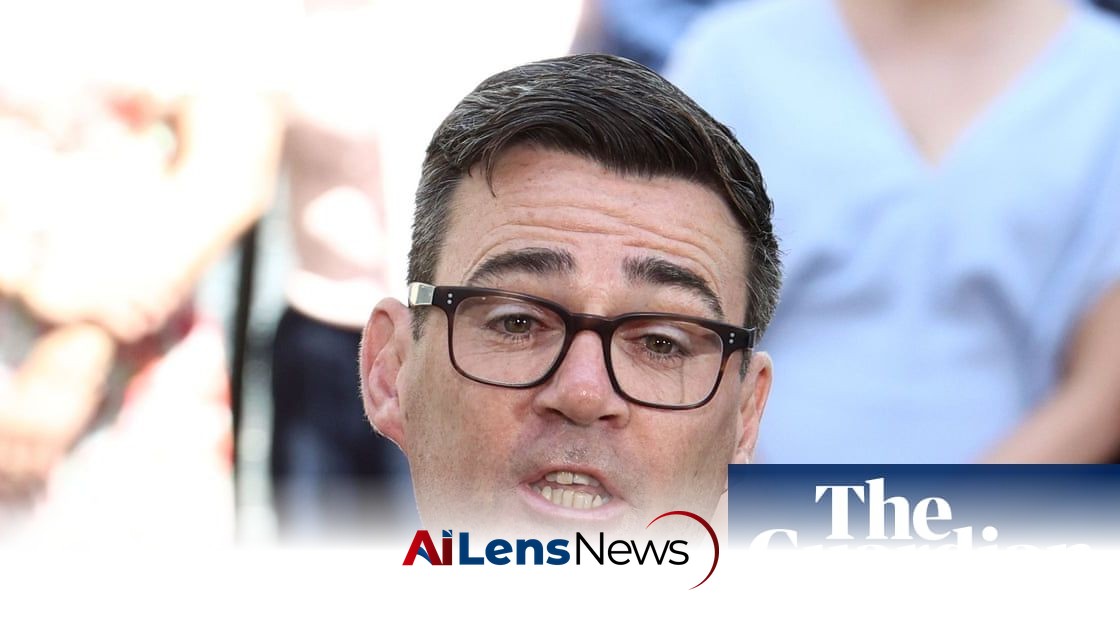


In his inaugural address as Prime Minister, Andy Burnham pledges £340 million to combat homelessness, aiming to replicate successful initiatives from Greater Manchester.
London, United Kingdom Jul 20, 2026 ALN: In his first address as Prime Minister, Andy Burnham has made a bold commitment to eradicate rough sleeping in England, announcing an allocation of an additional £340 million over the next three years. This initiative aims to replicate the successful homelessness schemes he previously implemented in Greater Manchester, where he served as mayor from 2017 until his recent elevation to the Prime Ministership. Burnham's promise to tackle rough sleeping comes at a time when homelessness is a pressing issue across the UK, exacerbated by economic challenges, the aftermath of the COVID-19 pandemic, and an ongoing housing crisis.
Standing in front of Downing Street shortly after taking office, Burnham emphasized the urgency of addressing homelessness, stating that his government would strive to get individuals off the streets “at the earliest opportunity.” His commitment resonates with a growing concern among citizens and advocacy groups regarding the rising number of individuals experiencing homelessness, especially rough sleeping, which is often characterized by people living on the streets or in public spaces.
The announcement has been met with enthusiasm from homelessness advocates, who believe that with adequate funding and political resolve, the pledge can be realized. Many organizations have long argued that homelessness is not merely a personal failing but a systemic issue that requires comprehensive policy solutions. However, critics have expressed skepticism, pointing out that despite similar promises made during his tenure as Greater Manchester mayor, rough sleeping has increased over the past four years. This skepticism highlights a broader narrative in UK politics, where promises to tackle homelessness often face scrutiny regarding their implementation and effectiveness.
Burnham stated, “On my first day as prime minister, I’m announcing this government’s commitment to finally end long-term rough sleeping across the UK at the earliest opportunity. We’ll get to work immediately, bringing together national and local government with the investment needed to get it done.” His words reflect a sense of urgency and a determination to address a crisis that has serious implications for public health, safety, and social cohesion.
Officials have indicated that the newly allocated funds will be used to create 1,200 new homes and provide support for 3,000 individuals over five years. This funding comes in addition to the previous government's commitment of £3.5 billion for its homelessness strategy, which aimed to halve long-term rough sleeping rates. The allocation of funds is a critical aspect of any homelessness strategy, as financial resources are often a limiting factor in the ability to provide adequate housing and support services.
Steve Reed, the housing secretary who oversaw the previous strategy, was dismissed from his position as Burnham began assembling his cabinet. This change in leadership may signal a shift in approach and priorities regarding homelessness policy. Burnham’s current promise echoes a similar commitment made by former Labour leader Jeremy Corbyn, who had planned to announce a similar initiative if elected, indicating that the issue of homelessness has been a long-standing concern for the Labour Party.
During his time as mayor, Burnham achieved notable success in reducing rough sleeping through initiatives such as the “Everyone In” policy enacted during the COVID-19 pandemic. This policy was designed to provide immediate accommodation for vulnerable individuals who were at risk of sleeping rough during the health crisis. His approach involved collaboration among various councils and government bodies, which supporters argue was key to the early successes of his homelessness policies. The collaborative model implemented in Greater Manchester is often cited as a best practice that could be replicated at a national level.
For instance, Burnham facilitated data sharing among the ten councils under his jurisdiction, enabling better tracking of individuals experiencing homelessness. This data-driven approach not only helped identify those in need but also allowed for targeted interventions based on specific local conditions. He also implemented measures to prevent landlords from evicting tenants for minor infractions, a significant contributor to street homelessness. These proactive measures reflect a shift towards preventative strategies in homelessness policy, which many advocates believe are essential for sustainable solutions.
Shabnum Mustapha, a former official at the Greater Manchester mayoralty, remarked on the challenges faced in uniting various statutory agencies to address homelessness. “In the early days, it was hard, trying to bring together a bunch of statutory agencies and organizations which have been working on this problem for decades and decades,” she said. “But by taking a big tent approach, working with different councils, other parties, and organizations such as faith groups, he had a lot of success.” This collaborative framework underscores the complexity of homelessness as an issue that requires input and cooperation from multiple stakeholders, including local governments, non-profit organizations, and community groups.
Despite the initial successes, critics have noted that rough sleeping rates have risen each year for the past four years, now standing at three-quarters of the levels seen in 2017. This statistic is particularly concerning as it indicates that the progress made during Burnham's early initiatives may not have been sustainable. Supporters argue that the national government's withdrawal of pandemic support schemes has made it difficult to maintain low rates of homelessness, suggesting that economic factors beyond local control play a significant role in the homelessness crisis.
James Cleverly, the shadow housing secretary, criticized Burnham’s record in Manchester, stating, “His record in Manchester showed initial success, then failure once his focus shifted. It looks like he’s taking money from local projects to fund this announcement, so lots of the country will be disappointed.” This critique points to a common tension in politics where local successes may not translate into broader national policies, raising questions about the scalability of Burnham's previous initiatives.
As Burnham embarks on this ambitious initiative, the effectiveness of his strategies and the commitment of his government will be closely scrutinized by both supporters and detractors alike. The political landscape surrounding homelessness is fraught with challenges, including public perception, funding limitations, and the need for a coordinated response from various levels of government. Additionally, the implications of Burnham's policies will likely extend beyond immediate housing solutions, impacting social services, healthcare, and community safety.
In conclusion, while Burnham's commitment to eradicating rough sleeping in England is a significant and necessary step, the path forward will require sustained effort, collaboration, and a willingness to adapt strategies based on ongoing evaluations of their effectiveness. The challenge of homelessness is multifaceted, and addressing it will require not only financial investment but also a comprehensive understanding of the underlying issues that contribute to this complex social problem. As the new Prime Minister, Burnham has the opportunity to shape a legacy of meaningful change in the lives of those affected by homelessness, but achieving this goal will depend on the implementation of effective policies and the ability to engage various stakeholders in the fight against rough sleeping.
To learn more about the latest developments in Policies & Reforms, stay updated with our exclusive reports and analyses on AiLensNews.

