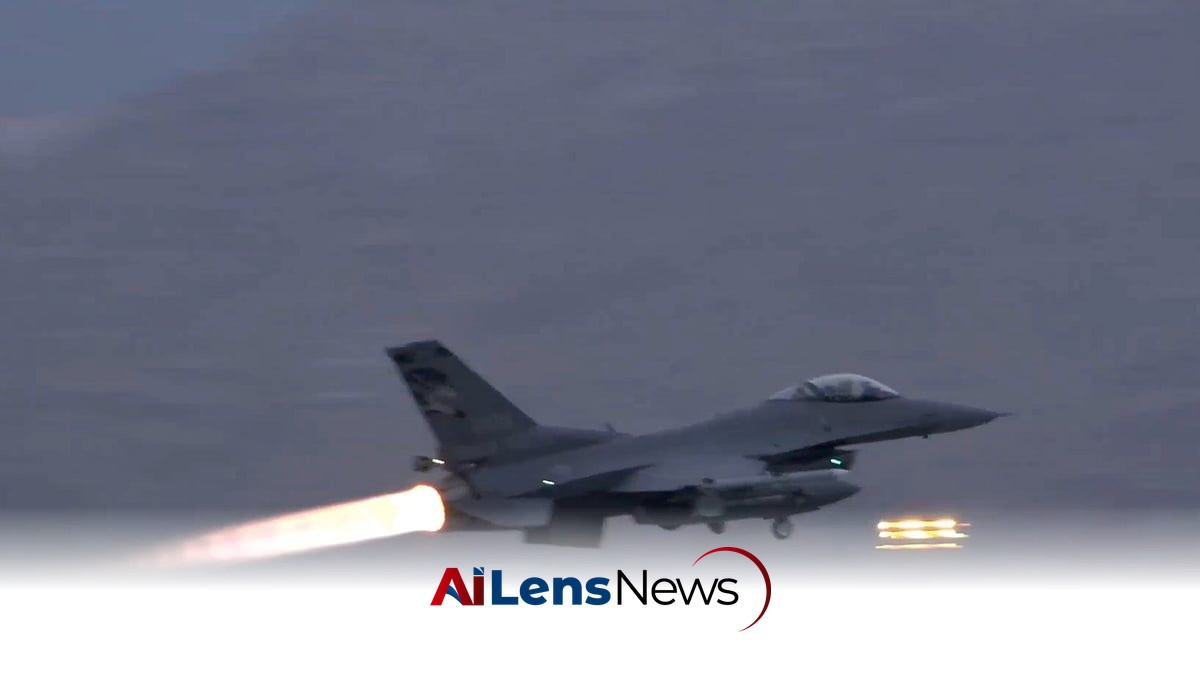


The US military has launched its ninth consecutive night of strikes targeting Iranian capabilities, emphasizing the importance of maintaining freedom of navigation in the Strait of Hormuz.
Abu Dhabi, United Arab Emirates Jul 20, 2026 ALN: The Pentagon has not yet provided additional comment on the ongoing military operations. This silence from the defense establishment comes amidst a series of military actions that underscore the escalating tensions between the United States and Iran in the strategically vital Strait of Hormuz. This waterway is crucial for global energy supplies, with a significant percentage of the world's oil passing through this narrow strait, making it a focal point for international maritime security.
The latest action follows a pattern of US strikes in recent weeks, aimed at degrading Iranian capabilities that threaten commercial shipping in the region. The US has been increasingly vocal about its commitment to protecting maritime routes from Iranian aggression, which has included a series of attacks on commercial vessels. These operations are part of a broader strategy to deter Iran from further destabilizing the region and to reassure allies of the US's commitment to maintaining freedom of navigation in international waters.
Earlier statements from Central Command (CentCom) described similar operations as direct responses to Iranian attacks on commercial vessels, including incidents involving the Cyprus-flagged M/V GFS Galaxy. This vessel was reportedly targeted in a series of incidents that have raised alarms about the safety of maritime navigation in the region. The US has characterized these strikes as necessary measures to uphold international law and protect the interests of allied nations that rely on these shipping lanes for trade and energy supplies.
US officials have emphasized the goal of ensuring freedom of navigation through the Strait of Hormuz, a critical chokepoint for global oil shipments. The strait connects the Persian Gulf with the Gulf of Oman and is one of the world's most important maritime passages. Approximately 20% of the world's oil trade transits through this narrow waterway, making its security a priority for the US and its allies. The US Navy has routinely conducted patrols in this region to deter any potential threats and to ensure that commercial shipping can proceed without interference.
As of now, Iran has not issued an immediate public response to the recent strikes. Historically, Iran has reacted to US military actions with a mix of rhetoric and asymmetric responses, often leveraging proxy groups in the region to retaliate against US interests or those of its allies. This silence could indicate a strategic decision by Iran to avoid escalating the situation further, or it may reflect a temporary assessment period by Iranian leadership regarding their next steps.
No US casualties were reported in the CentCom announcement regarding the latest strikes. However, the command has previously reported casualties resulting from Iranian missile and drone attacks, including the deaths of two service members in Jordan on July 17. These incidents have underscored the potential risks faced by US forces in the region and have heightened concerns about the Iranian military's capabilities, particularly its use of advanced missile technology and drone warfare.
The developments occur as the US maintains a significant military presence in the Middle East, with multiple aircraft carriers and other assets supporting operations in the CentCom area of responsibility. This military posture is intended to serve as a deterrent against Iranian aggression and to reassure allies in the region, including Saudi Arabia and the United Arab Emirates, who have expressed concerns about Iran's expanding influence and military capabilities.
The ongoing military operations and the broader context of US-Iran relations reflect a complex geopolitical landscape. The US has long accused Iran of engaging in destabilizing activities, not only in the Strait of Hormuz but also throughout the Middle East, including support for militant groups in Iraq, Syria, and Yemen. These actions have contributed to a cycle of tension and conflict that has persisted for decades.
In the context of the US-Iran relationship, the recent military strikes can be seen as part of a broader strategy to counteract Iranian influence in the region. Following the US withdrawal from the Joint Comprehensive Plan of Action (JCPOA) in 2018, which aimed to curb Iran's nuclear program, relations between the two nations have deteriorated significantly. The US has since re-imposed sanctions on Iran, which have had a profound impact on its economy and have contributed to rising tensions.
The implications of these military operations extend beyond immediate security concerns. They also have significant economic ramifications, particularly for global oil markets. Any disruption in the Strait of Hormuz can lead to spikes in oil prices, affecting economies worldwide. The US and its allies are keenly aware of this potential fallout and are likely to continue their military presence in the region to mitigate such risks. The strait’s strategic importance cannot be overstated, as it serves as a conduit for oil shipments from major producers in the Gulf region to markets around the globe.
Moreover, the situation raises questions about the future of US-Iran relations. Diplomatic efforts have been complicated by a series of confrontations and a lack of trust between the two nations. The current military operations may be viewed as a continuation of a broader strategy to counter Iranian influence, but they also risk escalating tensions further. The potential for miscalculation or unintended escalation remains high, especially given the volatile nature of the region and the presence of various state and non-state actors.
In this context, the role of international partners becomes increasingly significant. Countries that rely on the Strait of Hormuz for their energy supplies are likely to be closely monitoring the situation, as any military escalation could disrupt their access to oil. Japan, South Korea, and several European nations, among others, have vested interests in maintaining stability in the region. The US may seek to coordinate with these allies to enhance maritime security efforts and to present a united front against Iranian provocations.
In conclusion, the ongoing military operations by US forces against Iranian targets in the Strait of Hormuz highlight the precarious balance of power in the region. As the US seeks to ensure freedom of navigation and protect commercial shipping, it faces the challenge of managing its military presence while navigating the complex geopolitical dynamics at play. The response from Iran, the potential for further military engagements, and the implications for global oil markets will be critical factors to watch in the coming weeks and months. The situation remains fluid, and developments in the Strait of Hormuz will likely continue to shape the broader Middle Eastern geopolitical landscape.
To learn more about the latest developments in Political Controversies, stay updated with our exclusive reports and analyses on AiLensNews.

