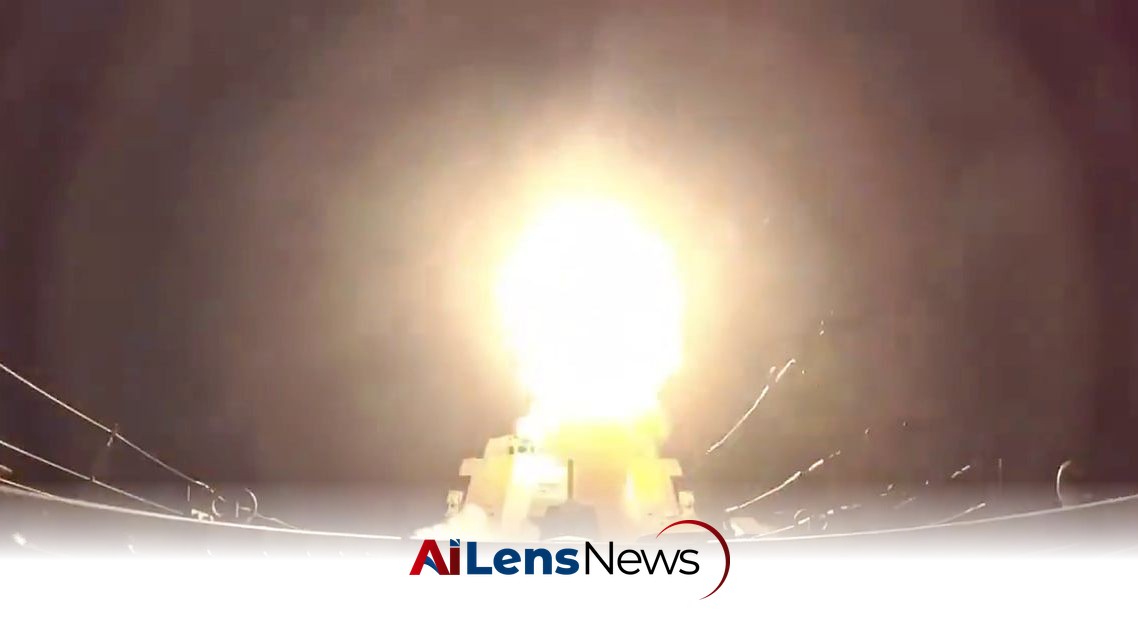


Amid escalating US-Iran tensions, Trump warns of potential US takeover of Strait of Hormuz security following a broken deal and recent strikes on Iranian targets.
Abu Dhabi, United Arab Emirates Jul 13, 2026 ALN: The Strait of Hormuz, a narrow passage that connects the Arabian Gulf to the Gulf of Oman, is one of the most strategically significant maritime routes in the world. It plays a pivotal role in global energy security, as it facilitates the transit of approximately one-fifth of the world's oil supply. This vital corridor is not only crucial for the economies of oil-producing nations but also for global markets, making its security a matter of international concern.
The strategic importance of the Strait of Hormuz has been underscored by its historical role in global geopolitics. Over the years, various conflicts and tensions in the region have led to disruptions in oil shipments, which in turn have caused significant fluctuations in energy prices. For instance, incidents involving naval confrontations, blockades, or threats to shipping routes have prompted fears of supply shortages, leading to spikes in oil prices that can reverberate through the global economy. The Strait serves as a critical chokepoint, meaning that any disruption in this area can have immediate and far-reaching effects on energy supplies worldwide.
In this context, recent statements made by former President Donald Trump have raised eyebrows and intensified discussions about U.S. military involvement in the region. During a live broadcast on Fox News, Trump issued a stern warning to Iran, suggesting that the United States might consider asserting control over security measures in the Strait of Hormuz. His comments were characterized as a "scathing warning" aimed at Iranian officials, indicating a potential shift in U.S. policy toward a more aggressive stance in the region. This marks a notable escalation in rhetoric, as previous administrations have typically favored diplomatic engagements over direct military threats.
Trump's remarks come amid ongoing military operations conducted by the United States aimed at countering Iranian influence and activities throughout the Middle East. The U.S. Central Command has reported that overnight strikes targeted over 170 locations within Iran, marking a significant escalation in military actions. These operations are part of a broader strategy to deter Iranian-backed groups that have been involved in attacks against U.S. interests and allies in the region. The implications of such military actions are profound, as they not only heighten the risk of direct confrontation but also complicate the already intricate web of alliances and enmities in the Middle East.
The timing of Trump's statements is particularly noteworthy, as they coincide with heightened tensions between the U.S. and Iran. The two nations have a long history of animosity, particularly following the U.S. withdrawal from the Iran nuclear deal in 2018 and the subsequent re-imposition of sanctions. This has led to increased hostilities, with both sides engaging in provocative actions, including military maneuvers and cyber operations. The ongoing tensions have been exacerbated by incidents such as the attack on oil tankers in the Gulf of Oman and the downing of U.S. drones, which have further strained relations.
Despite the gravity of Trump's warning, there has been no immediate response from Iranian officials or the Pentagon regarding his statements. The lack of a formal reaction could indicate a strategic calculation by both sides, as they assess the potential implications of escalating tensions in the Strait of Hormuz. Analysts suggest that while Trump's comments may be intended to project strength, they also risk further inflaming an already volatile situation. The Iranian leadership may be weighing their options carefully, considering both domestic pressures and the international ramifications of any military response.
Furthermore, the prospect of U.S. control over the Strait of Hormuz raises complex questions about international law and maritime rights. The United Nations Convention on the Law of the Sea (UNCLOS) governs navigational rights and the use of international waters, and any unilateral action by the U.S. could be viewed as a violation of these principles. This could lead to condemnation from other nations and complicate diplomatic relations, particularly with allies who may be concerned about the implications of a more aggressive U.S. posture in the region. The international community has historically been cautious about unilateral military interventions, emphasizing the need for multilateral approaches to security challenges.
As the situation unfolds, analysts are closely monitoring developments that could impact both global oil markets and regional security dynamics. Any significant military escalation in the Strait of Hormuz could lead to disruptions in oil shipments, causing prices to spike and potentially destabilizing economies that rely heavily on oil imports. Additionally, such an escalation could provoke a military response from Iran, leading to a broader conflict that would have far-reaching consequences for the Middle East and beyond. The potential for a conflict in this region is particularly concerning given the existing geopolitical rivalries and the presence of various state and non-state actors with vested interests.
The implications of Trump's statements also extend to U.S. domestic politics. His remarks may resonate with certain voter demographics that prioritize a strong national defense and a tough stance against Iran. However, they could also provoke backlash from those who advocate for diplomatic solutions and caution against military entanglements. The potential for increased military involvement in the Strait of Hormuz could become a contentious issue in upcoming elections, as candidates navigate public sentiment regarding foreign policy and national security. The debate over military intervention versus diplomacy will likely play a significant role in shaping the political landscape in the United States.
In conclusion, the Strait of Hormuz remains a focal point of geopolitical tension, with recent statements by former President Trump highlighting the precarious nature of U.S.-Iran relations. As both nations assess their strategies and the potential for conflict, the international community watches closely, aware that any miscalculation could lead to significant repercussions for global security and economic stability. The situation remains fluid, and the coming weeks and months will be critical in determining the trajectory of U.S. policy in the region and its impact on the global oil market. The interplay of military actions, diplomatic negotiations, and economic considerations will continue to shape the narrative surrounding this vital maritime corridor.
To learn more about the latest developments in Political Controversies, stay updated with our exclusive reports and analyses on AiLensNews.

