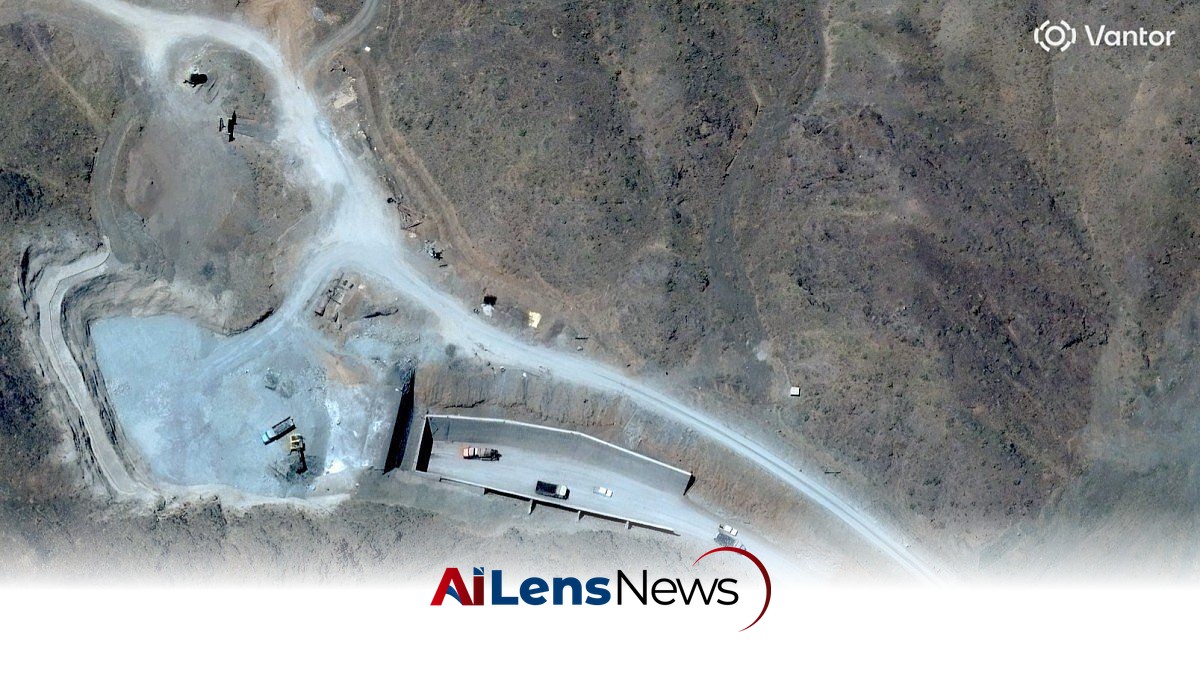


US bombers are deployed as Trump warns of a potential strike on Iran's Pickaxe Mountain nuclear tunnel complex, escalating tensions in the Middle East.
Abu Dhabi, United Arab Emirates Jul 22, 2026 ALN: The recent remarks by former President Donald Trump regarding a potential military strike on Iran's Pickaxe Mountain nuclear site have intensified concerns over the already fraught relationship between the United States and Iran. The Pickaxe Mountain site, strategically located near Iran's main nuclear facilities, has come under increasing scrutiny from Western intelligence agencies, particularly due to its extensive tunneling operations believed to house sensitive nuclear-related activities.
Analysts suggest that the facility was designed to withstand conventional airstrikes, indicating a level of sophistication in its construction that raises alarms about its purpose. It is speculated that the site may serve as a backup for uranium enrichment, weapons-related research, or secure storage of nuclear materials. The implications of such a facility, if indeed it is being used for nefarious purposes, could be significant not only for regional security but also for global non-proliferation efforts.
Trump's comments did not provide specific details regarding the intelligence that prompted his renewed warning or whether any military planning was actively underway. This ambiguity leaves room for speculation about the motivations behind his statements and the potential for escalation in military rhetoric. His remarks come at a time when tensions between Washington and Tehran have been particularly high, following a series of US military operations aimed at disrupting Iranian nuclear infrastructure. These operations have been part of a broader strategy by the United States and its allies to counter Iran's military capabilities and its influence in the region.
US and allied intelligence agencies remain vigilant, monitoring ongoing construction and activity around the Pickaxe Mountain tunnel network. This site is considered one of Iran's most hardened underground facilities, designed to be resilient against aerial attacks.
Military analysts emphasize that any potential attack on the site would likely necessitate the use of advanced bunker-busting munitions. These specialized weapons are engineered to penetrate hundreds of feet of rock before detonating, highlighting the technical challenges and risks involved in any military operation targeting such a fortified location.
In response to the heightened military rhetoric, Tehran has consistently maintained that its nuclear program is intended for peaceful purposes. Iranian officials have issued stern warnings that any additional military action from the US would provoke a strong response from Iranian armed forces, as well as from regional proxy groups that are aligned with Iranian interests.
The backdrop to these developments includes Washington's ongoing commitment to maintaining military assets across the Middle East. This presence is part of a broader strategy aimed at ensuring maritime security and protecting commercial shipping routes, while also deterring potential Iranian attacks on US interests and allies in the region.
The renewed threat of a strike on the Pickaxe Mountain complex, if executed, would mark a significant escalation in the already tense confrontation between the United States and Iran. Such an action could have far-reaching implications, not only for the immediate region but also for global stability. Analysts warn that military action could lead to retaliatory measures from Iran, potentially igniting a broader conflict that could destabilize the Middle East.
Moreover, the potential for conflict raises serious concerns about the impact on global energy markets. Iran is a key player in the oil market, and any military action that disrupts its oil production or exports could lead to spikes in oil prices, affecting economies worldwide. The interconnectedness of global markets means that instability in the Middle East often reverberates far beyond the region.
In the context of international diplomacy, the situation surrounding Iran's nuclear program has been a focal point of contention for years. The 2015 Joint Comprehensive Plan of Action (JCPOA), commonly known as the Iran nuclear deal, was designed to limit Iran's nuclear capabilities in exchange for sanctions relief. However, the US withdrawal from the agreement in 2018 under Trump's administration significantly altered the landscape, leading to increased tensions and Iran's gradual abandonment of its commitments under the deal.
As the international community watches closely, the possibility of military action against Iran's nuclear facilities remains a contentious issue. The complexities of the situation are compounded by the various geopolitical interests at play, including those of other regional powers such as Israel and Saudi Arabia, both of whom view Iran's nuclear ambitions with suspicion and concern.
In summary, Trump's recent comments regarding a potential strike on the Pickaxe Mountain nuclear site underscore the precarious nature of US-Iran relations. The potential for military action raises significant questions about regional stability, the effectiveness of diplomatic efforts, and the broader implications for global security and economic conditions. As the situation develops, the need for careful analysis and strategic decision-making becomes increasingly critical to avoid miscalculation and escalation into open conflict.
Historically, the tensions between the US and Iran can be traced back to the 1979 Iranian Revolution, which saw the overthrow of the US-backed Shah and the establishment of an Islamic Republic. Since that time, relations have been characterized by mutual distrust, with the US imposing various sanctions on Iran due to its nuclear ambitions and support for militant groups in the region. The situation has been further complicated by the ongoing civil war in Syria, where Iran has been a key supporter of the Assad regime, and its involvement in Yemen, where it backs the Houthi rebels against a Saudi-led coalition.
The Iranian nuclear program, initiated in the 1950s with US support, has become a focal point of international concern, particularly since the early 2000s when suspicions arose regarding its potential military dimensions. The establishment of the International Atomic Energy Agency (IAEA) has been pivotal in monitoring Iran's nuclear activities, but the agency has faced challenges in gaining access to certain sites, including the Pickaxe Mountain facility, leading to increased tensions and skepticism regarding Iran's intentions.
In response to Trump's comments, analysts are urging for a more diplomatic approach to address the underlying issues rather than resorting to military threats. They argue that dialogue and negotiation could help de-escalate tensions and foster a more stable environment in the region. The potential for a renewed diplomatic initiative, perhaps involving European allies who were part of the original JCPOA negotiations, could offer a pathway to addressing concerns over Iran's nuclear program while also easing the geopolitical tensions that have characterized US-Iran relations in recent years.
As the situation evolves, the international community's response will be crucial. The United Nations and various countries have expressed concerns about the potential for military action, emphasizing the need for diplomatic solutions to prevent further escalation. The stakes are high, and the implications of any military action could extend far beyond the immediate conflict, impacting global security dynamics and the international order.
In conclusion, the ongoing discourse surrounding the Pickaxe Mountain nuclear site and the broader context of US-Iran relations reflects a complex interplay of historical grievances, geopolitical interests, and the urgent need for effective diplomacy. As tensions rise, the world watches closely, hoping for a resolution that avoids the pitfalls of war and fosters a more stable and secure future for all parties involved.
To learn more about the latest developments in Political Controversies, stay updated with our exclusive reports and analyses on AiLensNews.

