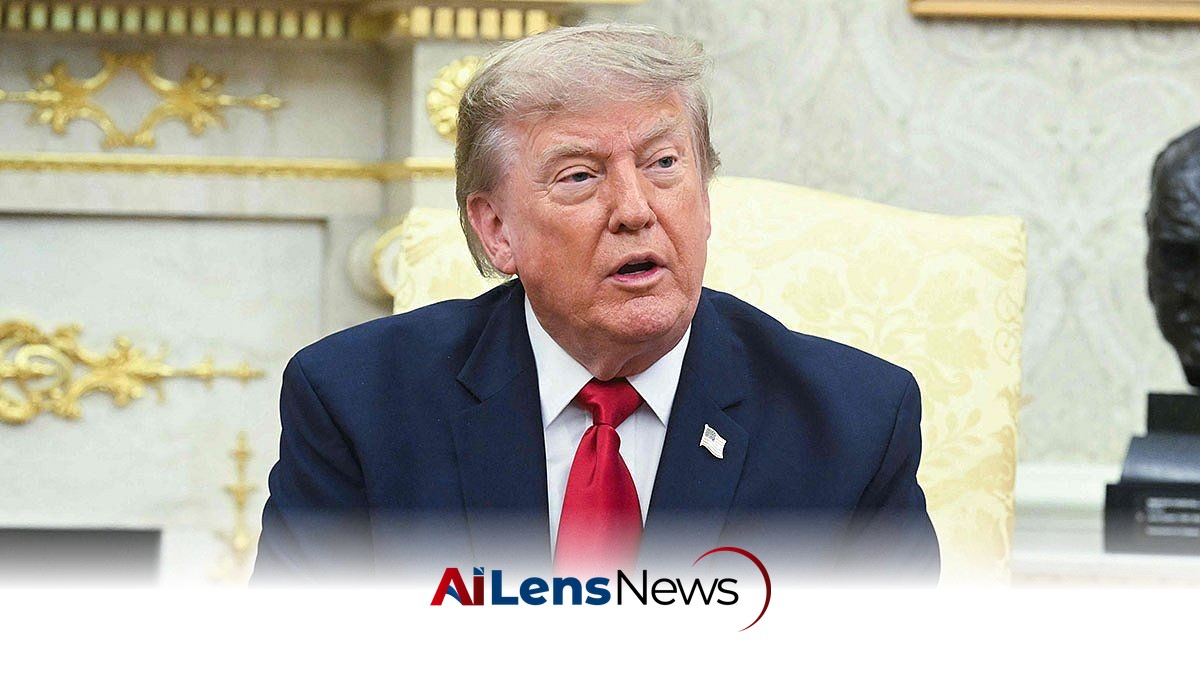


In a surprising turn, Trump announced the cancellation of the proposed 20% toll on ships in the Hormuz Strait, citing discussions with Middle Eastern leaders.
Abu Dhabi, United Arab Emirates Jul 15, 2026 ALN: In a significant policy reversal, former President Donald Trump announced that he would not implement the previously proposed 20% toll on ships passing through the Hormuz Strait. This decision comes just one day after he unveiled the toll, which was intended as a reimbursement fee for U.S. military presence in the region. The Hormuz Strait, a narrow passage between Iran and Oman, is one of the most strategically important waterways in the world, as it serves as a conduit for a substantial portion of the global oil supply.
Trump made the announcement via his Truth Social network, stating, "Based on highly productive conversations with Middle East leadership, I have decided to replace the 20% United States Reimbursement Fee with Trade and Investment Deals that the various Gulf States will be making into the United States." This shift indicates a pivot towards fostering economic partnerships rather than imposing financial burdens on shipping routes, highlighting a nuanced approach to foreign policy that seeks to balance military presence with economic cooperation.
The Hormuz Strait is a critical maritime passage, with approximately 20% of the world's oil trade transiting through it. The region is vital not only for oil exports but also for global energy security. Trump's initial proposal had raised concerns among various stakeholders, including shipping companies and international allies, who feared it could escalate tensions in an already volatile region. The potential for increased shipping costs could have led to higher prices for consumers globally, exacerbating economic uncertainties in many countries.
The initial toll proposal was met with widespread criticism from various quarters. Shipping companies expressed concerns that the toll could lead to increased operational costs, ultimately affecting global trade and the prices of goods. International allies, particularly those with significant interests in the Gulf region, worried that such a unilateral move could strain diplomatic relations and provoke retaliatory measures from Iran, which has historically viewed the Strait of Hormuz as a critical national interest.
By opting for trade and investment deals instead, Trump aims to strengthen economic ties with Gulf nations, potentially enhancing U.S. influence in the region while alleviating fears of increased shipping costs. This decision reflects a broader strategy of leveraging economic relationships to achieve geopolitical goals. Historically, the U.S. has maintained a military presence in the Gulf to ensure the free flow of oil, but Trump's approach suggests a shift towards a more economically driven foreign policy.
The Gulf States, including Saudi Arabia, the United Arab Emirates, and Qatar, have significant financial resources and are looking to diversify their economies away from oil dependency. By engaging these nations in trade and investment discussions, Trump may be seeking to align U.S. economic interests with the developmental goals of these countries. This could lead to increased American investments in sectors such as technology, renewable energy, and infrastructure, which are priorities for many Gulf States as they seek to modernize their economies.
Moreover, the decision to abandon the toll proposal could be seen as an attempt to reduce tensions in the region, particularly with Iran. The Iranian government has long viewed any U.S. military presence or economic pressure as a direct threat to its sovereignty. By fostering economic partnerships instead of imposing tolls, the Trump administration may be attempting to create a more stable environment in which diplomatic relations can be improved, even if indirectly.
As the situation develops, it remains to be seen how Gulf states will respond to this new approach and what specific trade agreements may emerge from these discussions. The implications for global oil markets and regional stability will be closely monitored by analysts and policymakers alike. Any agreements reached could have far-reaching effects on oil prices and energy security, particularly if they lead to increased investment in alternative energy sources or infrastructure projects that enhance the efficiency of oil transport.
Furthermore, this policy shift raises questions about the future of U.S. military involvement in the region. If economic ties strengthen and the Gulf States become more self-sufficient, there may be less reliance on U.S. military support. This could lead to a reevaluation of the U.S. military's role in the Middle East, potentially allowing for a drawdown of forces or a shift in focus towards other global hotspots.
In conclusion, Trump's decision to reverse the toll on Hormuz shipping reflects a complex interplay of economic and geopolitical considerations. By prioritizing trade and investment over direct financial impositions, the former president is signaling a desire to reshape U.S. relations with Gulf nations in a way that could enhance both economic cooperation and regional stability. The coming months will likely reveal the effectiveness of this strategy, as both U.S. and Gulf leaders navigate the intricacies of international trade and diplomacy in a rapidly changing global landscape.
The Hormuz Strait serves as a vital artery for global commerce, particularly for energy supplies. It is estimated that about 20 million barrels of oil pass through the Strait daily, making it a focal point for international energy markets. Any disruption in this passage can lead to significant fluctuations in global oil prices, impacting economies worldwide. Thus, the implications of U.S. policies regarding this region are far-reaching.
In recent years, tensions in the Gulf have escalated due to various geopolitical factors, including Iran's nuclear ambitions, regional rivalries, and the U.S.-China competition for influence. The Strait has been the site of numerous confrontations, including military skirmishes and threats from Iranian forces to close the passage in response to perceived provocations. The potential for conflict in this area underscores the importance of diplomatic efforts and economic partnerships in maintaining stability.
Moreover, the United States has historically viewed its military presence in the Gulf as essential for ensuring the security of oil supplies and protecting allied interests. However, as the global energy landscape evolves—with a growing emphasis on renewable energy and shifts in production from traditional oil-exporting nations—the role of U.S. military forces may need to be reassessed. Engaging Gulf states through economic initiatives could signal a strategic shift towards a more collaborative approach in addressing shared challenges.
In addition, the Gulf States themselves are navigating a complex transition as they seek to diversify their economies in the face of fluctuating oil prices and the global shift towards sustainable energy. Initiatives such as Saudi Arabia's Vision 2030 aim to reduce the kingdom's reliance on oil revenues by investing in sectors like tourism, entertainment, and technology. The U.S. could play a pivotal role in this transformation by facilitating investments and technology transfers that align with these goals.
Ultimately, Trump's decision to abandon the toll reflects a recognition of the interconnectedness of economic and security interests in the Gulf region. By fostering trade and investment partnerships, the U.S. may enhance its strategic position while promoting stability and prosperity for its Gulf allies. The effectiveness of this approach will depend on the willingness of Gulf nations to engage and the ability of the U.S. to navigate the complexities of regional politics and economic dynamics.
As discussions progress, the international community will be watching closely to see how this new approach unfolds and what it means for the future of U.S.-Gulf relations. The balance between military presence and economic engagement will be crucial in shaping the geopolitical landscape of the Middle East in the years to come.
To learn more about the latest developments in Political Controversies, stay updated with our exclusive reports and analyses on AiLensNews.

