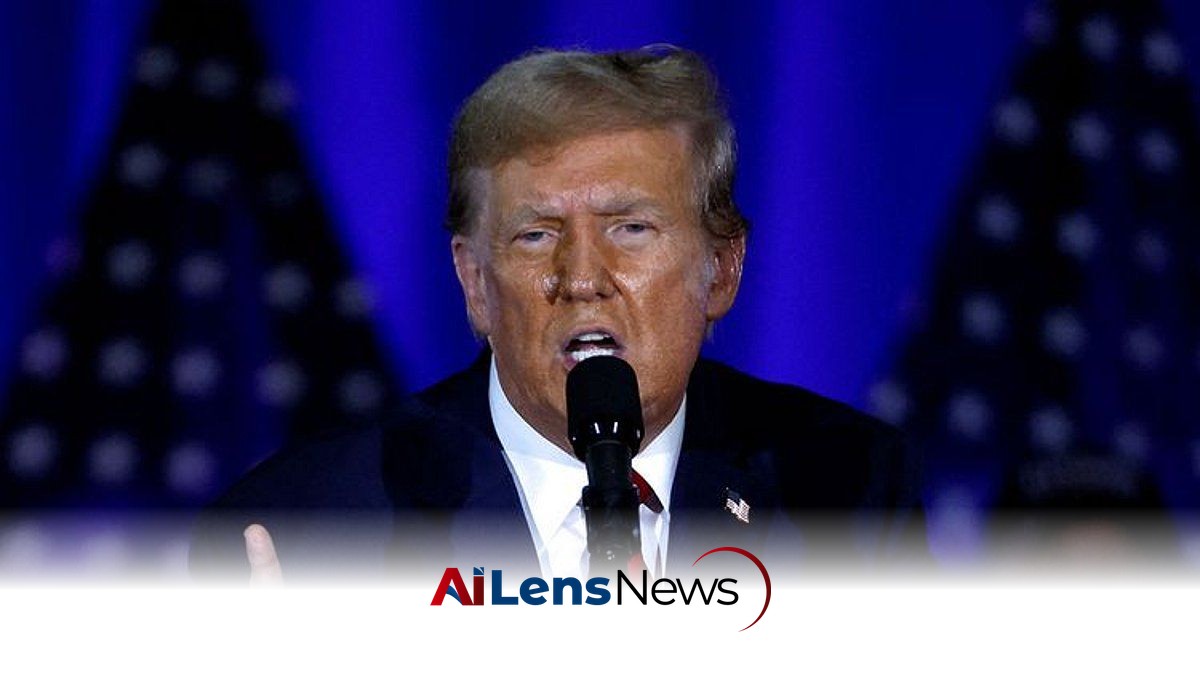


US President Trump shares AI-generated military images amid regional tensions, signaling a pause in US-Iran attacks and easing oil prices.
Abu Dhabi, United Arab Emirates Jul 27, 2026 ALN: The recent actions of US President Donald Trump, particularly the sharing of AI-generated images depicting military superiority over Iran, have stirred conversations about the current state of US-Iran relations and the broader implications for international diplomacy and oil markets. As the 2028 election campaign begins to take shape, these images serve not only as a demonstration of military might but also as a strategic political tool aimed at rallying support among his base.
Historically, the relationship between the United States and Iran has been fraught with tension, particularly since the 1979 Iranian Revolution which saw the overthrow of the US-backed Shah and the establishment of the Islamic Republic. This event marked a significant turning point in US foreign policy in the Middle East, leading to decades of sanctions, diplomatic isolation of Iran, and military engagements in the region. The animosity has been fueled by various incidents, including the hostage crisis in Tehran and Iran's support for groups that the US designates as terrorist organizations.
In recent years, particularly during Trump's presidency, this tension has escalated. The US withdrawal from the Joint Comprehensive Plan of Action (JCPOA) in 2018, a landmark nuclear agreement aimed at curbing Iran's nuclear program in exchange for sanctions relief, significantly deteriorated relations. Following the withdrawal, the US reinstated stringent sanctions on Iran, which crippled its economy and led to heightened military posturing from both sides. The assassination of Iranian General Qassem Soleimani in January 2020 further exacerbated the situation, leading to retaliatory strikes and a series of military skirmishes.
However, the current political landscape is shifting. Trump's recent portrayal of military actions against Iran through digital artwork can be interpreted as a dual strategy: reinforcing his image as a strong leader capable of protecting American interests abroad while also appealing to his political base by invoking themes of national pride and military dominance. The images, which range from depictions of airstrikes to naval confrontations, are designed to evoke a sense of urgency and readiness in the face of perceived threats from Iran.
One particularly striking image titled "Guardians of the World" presents Trump as a towering figure overseeing the military might of the United States, symbolizing not just power but also a protective stance over American interests and allies. This imagery plays into a larger narrative often employed in political rhetoric, where military strength is equated with national security and global leadership. The symbolism of strength is especially potent in the context of the United States' historical role as a global superpower, which has often been challenged by rising powers and regional conflicts.
Moreover, the artwork depicting an airstrike on Kharg Island, one of Iran's key oil terminals, highlights the strategic importance of oil in US-Iran relations. Kharg Island is crucial for Iran's oil exports, and any military action targeting this facility would have significant implications for global oil markets. The imagery serves as a reminder of how intertwined military actions and energy resources are in shaping international relations. Oil has long been a central element in geopolitical strategies, and the control over oil resources has often led to conflicts and power struggles in the region.
Furthermore, the portrayal of American troops standing on an Iranian ship, as seen in the image "It's Our Oil Tanker Now!", underscores a narrative of dominance and control over resources that are critical not only to Iran but to global energy supply chains. This kind of imagery can have profound implications for the perceptions of both domestic and international audiences, potentially influencing public opinion regarding military engagements and foreign policy decisions. The narrative of control over oil resources resonates with historical precedents where resource management has played a pivotal role in international relations.
The political implications of these images extend beyond mere visual representation. As Trump gears up for the 2028 election, he is likely to leverage these themes of strength and decisiveness in his campaign, positioning himself as the candidate who can navigate complex international issues effectively. This approach may resonate with voters who prioritize national security and a strong military presence abroad. The use of military imagery can also serve to rally support from veterans and military families, demographics that often hold significant sway in elections.
In the context of fluctuating oil prices, the depiction of military actions against Iranian oil infrastructure could also serve to influence market perceptions. Oil prices are often sensitive to geopolitical tensions, and any suggestion of military conflict in the Middle East can lead to immediate reactions in the markets. By projecting an image of military readiness, Trump may be attempting to communicate to both domestic audiences and international markets that the US is prepared to act decisively to protect its interests, potentially stabilizing or even reducing oil prices amid uncertainties. The volatility of oil prices can have widespread economic implications, affecting everything from consumer prices to inflation rates.
As the geopolitical landscape continues to evolve, the interplay between military imagery, political strategy, and economic implications will remain critical in shaping US-Iran relations. The use of AI-generated images as a communication tool reflects a modern approach to political messaging, blending technology with traditional themes of power and security. The effectiveness of this strategy in influencing public opinion and foreign policy remains to be seen, but it highlights the ongoing importance of imagery in the political arena. The rise of digital media has transformed how political narratives are constructed and disseminated, allowing for rapid responses and the potential for widespread influence.
In conclusion, Trump's recent sharing of military-themed images represents more than just a display of power; it is a calculated move within the complex framework of US-Iran relations, domestic politics, and global oil markets. As the 2028 election approaches, the implications of these actions will likely continue to unfold, influencing both the political landscape and international diplomacy in the years to come. The relationship between the US and Iran remains one of the most critical and contentious in international relations, and how it evolves will have lasting effects on regional stability and global geopolitical dynamics. The strategic use of imagery in political discourse will undoubtedly play a significant role in shaping public perceptions and policy decisions as these events unfold.
To learn more about the latest developments in Elections, stay updated with our exclusive reports and analyses on AiLensNews.

