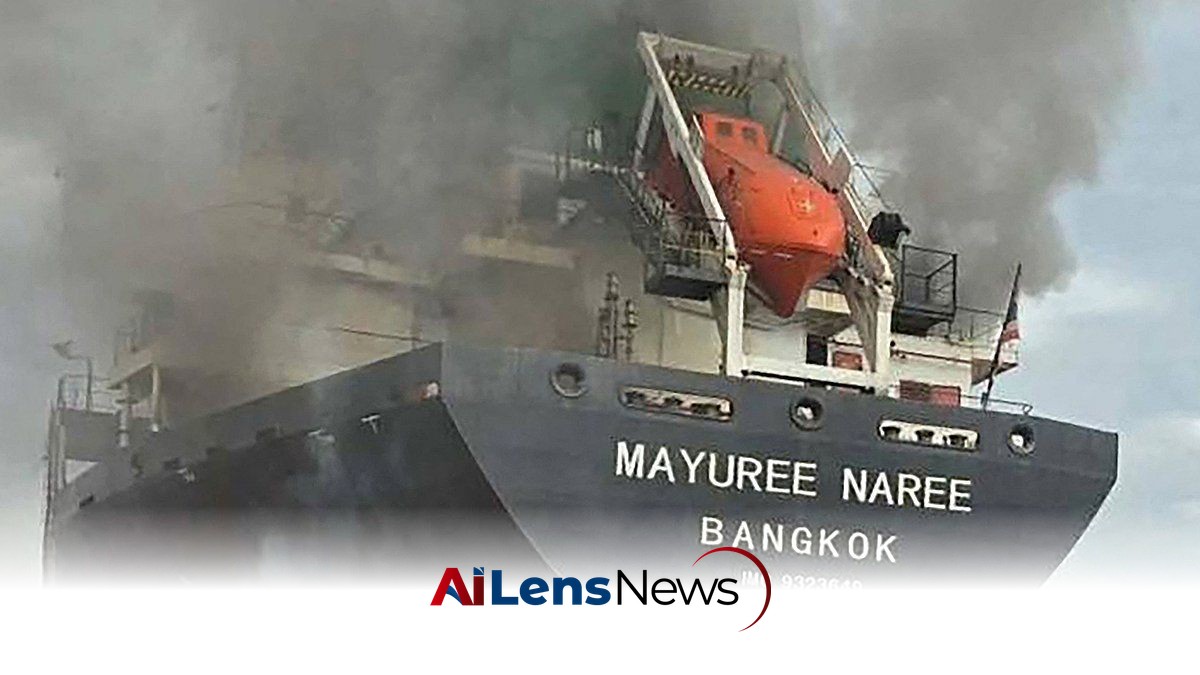


US Secretary of State Marco Rubio states that Iran's attacks on commercial shipping invalidate a ceasefire deal, but emphasizes the US's openness to future diplomacy.
Abu Dhabi, United Arab Emirates Jul 23, 2026 ALN: US Secretary of State Marco Rubio's recent statements regarding Iran's actions in the Gulf region highlight the complexity and fragility of international agreements in the context of ongoing geopolitical tensions. During his address at the ASEAN Summit in Manila, Rubio declared that Iran's continued attacks on commercial shipping have invalidated a memorandum of understanding (MoU) established earlier this year, which aimed to address longstanding issues between the two nations, including Iran's nuclear program and freedom of navigation in critical waterways.
The Strait of Hormuz, where many of these incidents have occurred, is one of the world's most vital maritime chokepoints, facilitating the transit of approximately 20% of the global oil supply. Given its strategic importance, any disruptions in this region can have far-reaching implications for global energy markets and international relations. The June MoU was seen as a potential pathway to de-escalation following a series of confrontational actions by Iran, including the blockade of vessels and aggressive military maneuvers.
Rubio's assertion that the agreement is now "invalid" stems from a series of Iranian drone and missile strikes targeting commercial vessels, including incidents involving the Singapore-flagged cargo ship Ever Lovely. These attacks have been characterized by US officials as blatant violations of the terms set forth in the MoU, which was intended to foster a more stable and secure maritime environment. The Secretary of State emphasized the principle that agreements must be honored, stating, "If you sign onto an agreement, and then you violate the agreement, the agreement’s no longer valid." This statement underscores the US administration's stance that compliance is crucial for any future diplomatic engagements.
Despite this tough rhetoric, Rubio also indicated that the door for diplomacy remains open, contingent upon Iran's willingness to adhere to its commitments. He remarked, "That doesn’t mean you can’t have a future agreement, but ultimately, that future agreement will have to be judged on whether or not you’re complying with the conditions." This duality in the US approach reflects a broader strategy that seeks to balance deterrence with the potential for dialogue, illustrating the complexity of the US-Iran relationship.
The June MoU was the result of extensive negotiations following heightened tensions that had escalated over the preceding months. The agreement provided a 60-day window for discussions focused on sanctions, nuclear issues, and freedom of navigation. The US had insisted on the importance of keeping the Strait of Hormuz open and toll-free for international shipping, while Iran had expressed its desire to assert control over the waterway and sought to impose fees on transiting vessels. Such moves were met with strong objections from the US, which argued that they set a dangerous precedent for international maritime law.
In the wake of the attacks on commercial shipping, the US has responded with military actions aimed at degrading Iran's capacity to threaten maritime security. This has included airstrikes targeting Iranian missile and drone storage facilities, coastal radar installations, and air defense systems. These operations are part of a broader US strategy to ensure the safety of commercial vessels in the region and to deter further Iranian aggression.
Rubio's comments were made against the backdrop of ongoing military operations by US forces, who continue to monitor and protect commercial shipping in the Gulf. The administration has emphasized the importance of "burden-sharing" with international partners to enhance maritime security, rejecting any Iranian claims to levy charges on the Strait of Hormuz. This approach highlights the US commitment to maintaining open sea lanes while navigating the complex dynamics of regional security.
As tensions persist, oil markets remain volatile, reflecting the uncertainty surrounding the situation. The US military's recent operations, including what has been described as the 11th night of strikes against Iranian targets, illustrate the fluidity of the conflict and the potential for escalation. The ongoing military engagement raises questions about the effectiveness of diplomatic channels and the future of US-Iran relations.
In light of these developments, there are indications that Iran may be signaling a willingness to engage in talks. Rubio noted a perceived "split within the regime," suggesting that internal dynamics in Iran could influence its approach to negotiations. This complexity adds another layer to the already intricate geopolitical landscape, where domestic political considerations in Iran may impact its foreign policy decisions.
Looking ahead, the potential for renewed diplomatic efforts may hinge on a combination of factors, including Iran's actions in the Gulf, the US's military posture, and the broader regional context. The upcoming talks in Switzerland, which are expected to include discussions on Iran's nuclear program and regional security, will be pivotal in determining the trajectory of US-Iran relations. As both nations navigate these challenges, the international community will be closely watching for signs of progress or further deterioration in the situation.
In conclusion, Marco Rubio's statements reflect a critical juncture in US-Iran relations, where the interplay of military action, diplomatic overtures, and regional dynamics will shape the future of both nations' interactions. The ongoing situation underscores the importance of adherence to international agreements and the complexities of navigating geopolitical tensions in a volatile region. As the US remains committed to protecting its interests and those of its allies, the path forward will require careful consideration of both deterrence and diplomacy in addressing the challenges posed by Iran's actions in the Gulf.
Historically, the relationship between the United States and Iran has been fraught with tension, particularly since the 1979 Iranian Revolution, which led to the overthrow of the Shah, a US ally, and the establishment of the Islamic Republic. This event marked a significant shift in US-Iran relations, resulting in the severing of diplomatic ties and the imposition of economic sanctions against Iran. The US has since viewed Iran's nuclear ambitions with suspicion, leading to a series of negotiations culminating in the Joint Comprehensive Plan of Action (JCPOA) in 2015, which aimed to curb Iran's nuclear program in exchange for sanctions relief. However, the US withdrawal from the JCPOA in 2018 under the Trump administration reignited tensions, leading to a series of confrontations in the Gulf.
The strategic significance of the Strait of Hormuz cannot be overstated. It serves as a crucial transit point for oil exports from the Gulf states to global markets, making it a focal point of international maritime security. The region has witnessed numerous incidents involving Iranian forces and commercial vessels, including seizures and attacks, which have raised alarms among shipping companies and prompted a robust US military presence to ensure safe passage for vessels. The US has also engaged in joint military exercises with allies in the region, reinforcing its commitment to maritime security and freedom of navigation.
The implications of Rubio's statements extend beyond immediate diplomatic relations; they resonate within the broader context of international law and norms governing maritime conduct. The principle of freedom of navigation is enshrined in various international treaties and conventions, and challenges to this principle can undermine global trade and security. The US's stance on maintaining open sea lanes reflects a commitment to uphold these international norms, while any attempts by Iran to impose restrictions or fees could set a precedent that other nations might follow, potentially leading to increased tensions in other maritime chokepoints around the world.
Furthermore, the internal political dynamics within Iran play a crucial role in shaping its foreign policy. The Iranian regime has faced significant domestic challenges, including economic sanctions, public discontent, and political dissent. These factors can influence the Iranian leadership's willingness to engage in negotiations or escalate tensions in the region. Rubio's remarks about a potential split within the regime suggest that there may be factions within Iran advocating for different approaches to foreign policy, which could impact the possibility of renewed diplomatic engagement.
As the international community closely monitors these developments, the effectiveness of multilateral diplomacy will be tested. The upcoming talks in Switzerland represent an opportunity for both nations to address not only nuclear issues but also broader regional security concerns. The involvement of other key stakeholders, including European nations and regional powers, will be essential in facilitating dialogue and finding a sustainable resolution to the ongoing tensions.
In summary, the current situation in the Gulf underscores the intricate interplay of military action, diplomatic efforts, and regional dynamics in shaping US-Iran relations. As both nations grapple with the challenges posed by their respective domestic and international contexts, the path forward will require a delicate balance of deterrence and diplomacy to navigate the complexities of this multifaceted geopolitical landscape.
To learn more about the latest developments in Political Controversies, stay updated with our exclusive reports and analyses on AiLensNews.

