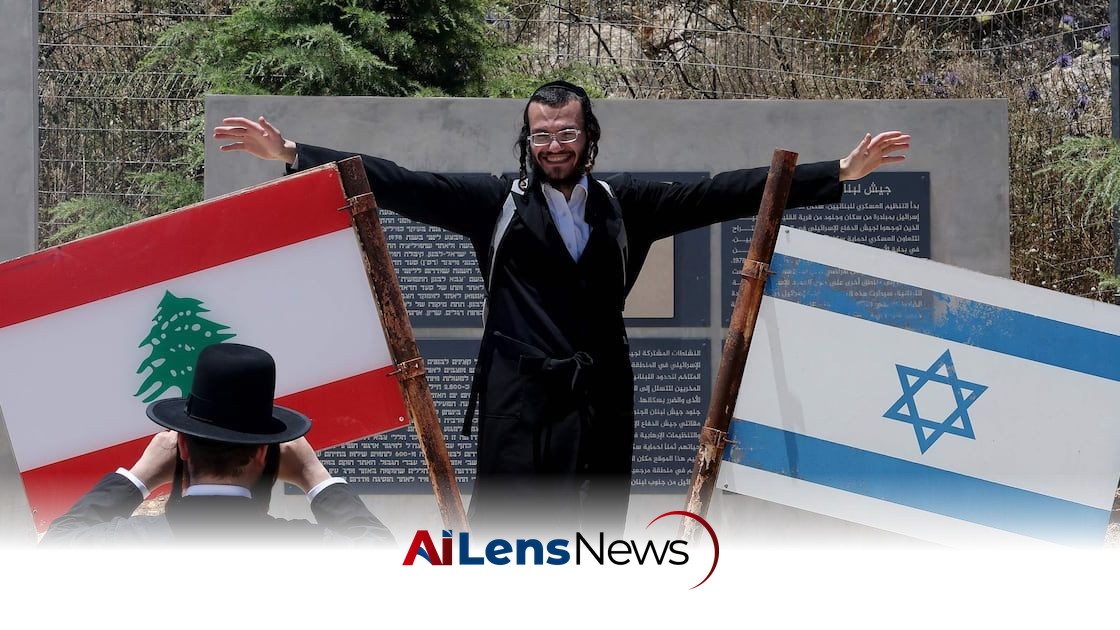


Lebanon and Israel are in Rome for US-mediated negotiations aimed at establishing peace and sovereignty, navigating complex regional dynamics.
Abu Dhabi, United Arab Emirates Jul 15, 2026 ALN: Lebanon and Israel are currently engaged in the sixth round of US-mediated talks in Rome, following a recent framework agreement signed in Washington. This agreement emphasizes the commitment of both nations to end hostilities, respect each other's sovereignty, and work towards peaceful relations. The backdrop of these discussions is characterized by a long history of conflict, territorial disputes, and regional tensions that have shaped the relationship between these two nations.
The geopolitical landscape in the Middle East is undergoing profound changes, raising questions about Lebanon's ability to leverage diplomatic tools to regain sovereignty while distancing itself from costly regional rivalries. This challenge is critical for Lebanese authorities and their allies, particularly in light of the economic and political crises that have plagued Lebanon in recent years. The ongoing economic downturn, compounded by political instability and the fallout from the Syrian civil war, has left Lebanon in a precarious position, making the need for constructive dialogue with Israel more pressing.
Both Lebanon and Israel have reached consensus on several fundamental issues: they agree to respect each other's sovereignty, security, and territorial integrity. Israel has committed to supporting the establishment of a capable and sovereign Lebanese state, while both parties acknowledge the need to disarm Hezbollah and ensure that the Lebanese government maintains a monopoly on arms and decision-making regarding war and peace. This acknowledgment of sovereignty is a significant step forward, especially considering the long-standing animosity that has characterized their relationship since the establishment of the state of Israel in 1948 and subsequent conflicts, including the Lebanese Civil War and the 2006 Lebanon War.
Despite this agreement, the path to achieving two sovereign states living peacefully side by side is fraught with challenges. The first major hurdle is the sequencing of disarmament and military withdrawal. From Israel's perspective, the disarmament of Hezbollah must occur before any military withdrawal from Lebanon. Conversely, Lebanon advocates for a phased approach where Israeli withdrawals coincide with the deployment of Lebanese armed forces, thereby strengthening the state's position against Hezbollah. This divergence in perspectives highlights the complexities of the negotiations and the deep-rooted mistrust that exists between the two parties.
The framework agreement introduces the concept of “pilot zones” as a potential solution to bridge this divide. The Lebanese delegation in Rome is expected to push for rapid implementation of these zones, although the specifics remain vague. These pilot zones, if successfully established, could serve as a testing ground for the broader disarmament process and military withdrawal, allowing both sides to gauge each other's commitment to the agreed-upon principles. However, the success of this initiative hinges on the willingness of both parties to engage in good faith negotiations and adhere to the terms of the agreement.
Israel is likely to agree to pilot zones that are outside its self-declared buffer zone, while Lebanon insists that successful implementation must lead to further zones, particularly in areas currently under Israeli occupation. For Beirut, demonstrating a diplomatic pathway to reclaiming territory is essential to confront Hezbollah's influence. The presence of Hezbollah, which is considered a terrorist organization by Israel and many Western countries, complicates Lebanon's internal politics and its ability to negotiate effectively with Israel. The Lebanese government faces pressure from various factions within its borders, including those aligned with Hezbollah, making it imperative to navigate these talks carefully.
The second challenge lies in differing perceptions of the broader regional context. Israel's approach may be influenced by its own strategic interests, particularly concerning its relations with other regional players such as Iran and the Gulf states. Lebanon must navigate a complex web of alliances and rivalries that could impact its negotiations. The influence of Iran on Hezbollah, for instance, poses a significant challenge for Lebanon's government, which seeks to distance itself from external influences while asserting its sovereignty. Additionally, the normalization of relations between Israel and several Arab states, such as the United Arab Emirates and Bahrain, has altered the regional dynamics and may influence Lebanon's negotiating position.
In conclusion, the ongoing talks in Rome represent a critical juncture for Lebanon and Israel. As both nations strive to establish a framework for peace and sovereignty, the outcome will depend on their ability to reconcile differing perspectives and implement agreed-upon principles effectively. The stakes are high, not only for Lebanon and Israel but for the broader Middle East, as these talks could set a precedent for resolving longstanding conflicts and fostering stability in a region marked by division and strife. The international community, particularly the United States, has a vested interest in the success of these negotiations, as a peaceful resolution could potentially lead to a more stable and prosperous Middle East, reducing the likelihood of future conflicts and fostering economic cooperation among neighboring states.
Historically, the relationship between Lebanon and Israel has been characterized by a series of conflicts, with the most significant being the Lebanese Civil War (1975-1990) and the 2006 Lebanon War. The Lebanese Civil War was a multifaceted conflict involving various factions, including Palestinian groups, Christian militias, and Hezbollah, leading to massive loss of life and displacement of people. The 2006 Lebanon War was triggered by Hezbollah's cross-border raid into Israel, resulting in a month-long conflict that caused extensive destruction in Lebanon and significant casualties on both sides. These historical events have left deep scars and a legacy of mistrust between the two nations.
In recent years, Lebanon has faced numerous challenges, including a severe economic crisis that has resulted in hyperinflation, widespread poverty, and a lack of basic services. The economic downturn has been exacerbated by political paralysis, corruption, and the impact of the Syrian civil war, which has spilled over into Lebanon, further complicating the political landscape. The Lebanese government has struggled to implement necessary reforms and secure international assistance, making the pursuit of diplomatic relations with Israel a potential avenue for alleviating some of these pressures.
On the Israeli side, the government has been navigating its own set of challenges, including security concerns related to Hezbollah and the broader Iranian influence in the region. Israel views Hezbollah as a direct threat, given its military capabilities and its close ties to Iran. The Israeli government is also dealing with internal political dynamics, including a diverse electorate with varying opinions on how to approach peace negotiations with Lebanon and the Palestinians. The normalization agreements with several Arab states have reshaped Israel's diplomatic landscape, creating new opportunities but also raising questions about the future of the Palestinian issue and Israel's relations with its neighbors.
The implications of the ongoing talks extend beyond Lebanon and Israel. A successful negotiation could pave the way for broader regional stability, potentially influencing other long-standing conflicts in the Middle East. It could also impact the dynamics of US foreign policy in the region, as the United States has historically played a crucial role in mediating peace efforts. The success of these talks could enhance the credibility of US diplomacy and its ability to foster cooperation among its allies.
In summary, the ongoing negotiations in Rome represent a pivotal moment for both Lebanon and Israel, as they seek to navigate a complex web of historical grievances, regional rivalries, and internal political pressures. The outcome of these talks will not only shape the future of their bilateral relationship but also hold significant implications for the broader Middle East. As both nations work towards a framework for peace, the international community watches closely, hoping for a breakthrough that could lead to a more stable and prosperous region.
To learn more about the latest developments in Political Controversies, stay updated with our exclusive reports and analyses on AiLensNews.

