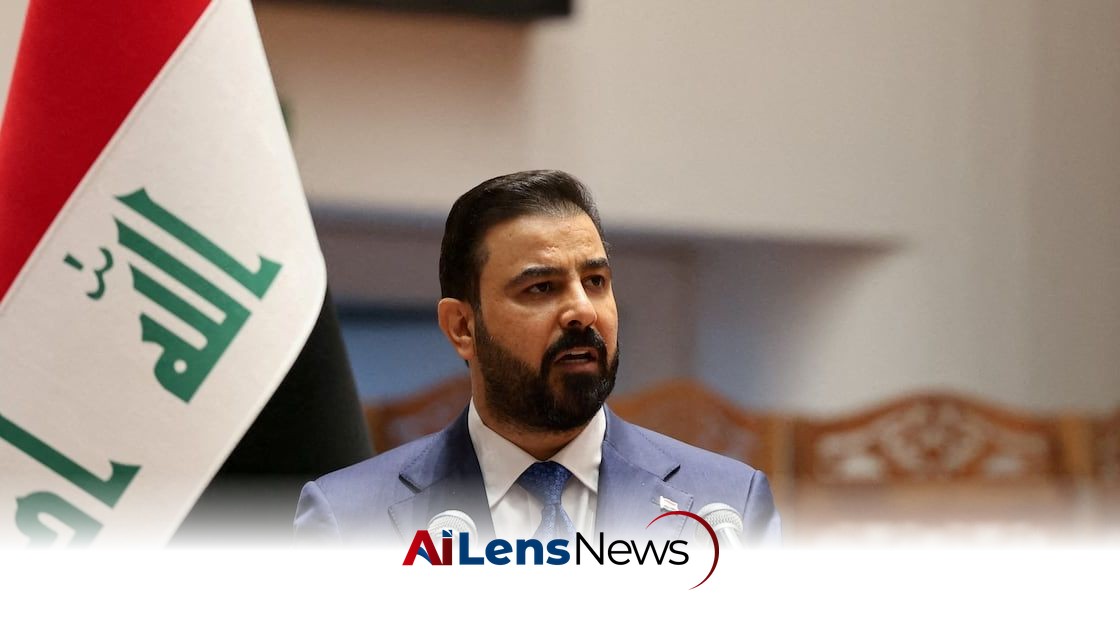


Iraqi PM Ali Al Zaidi embarks on his first international trip to the US, aiming to strengthen ties and sign key energy deals amidst regional tensions.
Abu Dhabi, United Arab Emirates Jul 13, 2026 ALN: Iraqi Prime Minister Ali Al Zaidi has embarked on a significant visit to the United States, marking his first international trip since assuming office. This visit is particularly crucial as it comes at a time when Iraq is striving to enhance its strategic ties with Washington, particularly in the realms of oil and gas. As part of this diplomatic engagement, multiple deals are anticipated to be signed, reflecting a broader effort to solidify economic and political relations between the two nations.
The context of this visit is underscored by Iraq's challenging position in the geopolitical landscape of the Middle East, where it has been navigating a delicate balance between its relationships with Iran and the United States. The situation has been further complicated by recent military escalations between the two powers, which have put Baghdad in a precarious position. The Iraqi government has been under increasing pressure from Washington to take a firmer stance against Iran-aligned militia groups operating within its borders, which complicates the political dynamics in the region.
In an opinion piece published in the Washington Post prior to his trip, Mr. Al Zaidi expressed his desire to transition the relationship between Iraq and the United States from one of crisis management to one focused on creating opportunities that yield measurable economic benefits. He emphasized his intention to present concrete proposals during his meeting with President Donald Trump that would help realize this vision, indicating a proactive approach to fostering bilateral relations.
The Iraqi government spokesman, Haider Al Aboudi, described the visit as an important step towards developing balanced foreign relations grounded in mutual interests. He highlighted that the discussions would concentrate on strengthening economic ties and attracting investments from the United States. This focus on economic collaboration is particularly pertinent given Iraq's vast energy resources and the ongoing need to revitalize its economy.
Among the key agreements expected to be signed during this visit are memoranda of understanding in the fields of oil and gas. These agreements aim to facilitate the introduction of specialized American companies that can enhance Iraq's production capacity and help mitigate the impact of geopolitical tensions, particularly those surrounding the Strait of Hormuz. This strait is a vital maritime corridor through which approximately 20 percent of the world's oil and gas supplies are transported, and it has been a flashpoint for hostilities between the US and Iran. The ongoing conflict has led to significant challenges for Iraq, including a drop in revenue due to disruptions in energy shipments.
In his remarks, Mr. Al Zaidi pointed out that Iraq is endowed with the resources necessary to emerge as a leading economic hub in the region. He highlighted the country’s extensive proven oil reserves, abundant natural resources, a capable workforce, and a substantial domestic market as key assets that could be leveraged to foster economic growth and development.
In light of the disruptions caused by the Iran conflict, Iraq has sought alternative routes for exporting its oil, including a recent initiative to utilize Syria as a transit route. Since April, Iraq has been sending oil through Syria by road, with exports being shipped from the Baniyas port. This strategic pivot underscores Iraq's efforts to diversify its export routes and reduce its dependency on the Strait of Hormuz, thus enhancing its economic resilience.
Mr. Al Zaidi articulated a clear objective for his government: to attract investment, facilitate the transfer of expertise, diversify the economy, and create jobs. He emphasized the importance of advancing development and reinforcing Iraq’s position as a reliable partner on the international stage, particularly in the eyes of American investors and policymakers.
This visit occurs during a particularly sensitive period for US-Iraqi relations and security cooperation. The Iraqi government has set a deadline for the disarmament of Iran-backed militia groups, which is linked to the timeline for the US-led coalition's mission in Iraq. The Iraqi leadership has indicated that the withdrawal of American troops from the country would facilitate the disarmament process, highlighting the interconnectedness of security and diplomatic efforts.
Washington has made it clear that disarming these militia groups is a prerequisite for deeper defense and economic cooperation. The US administration opposes any political role for militia-linked parties within the Iraqi government, reflecting a broader concern about the influence of Iran in Iraq and the potential for destabilization in the region.
The backdrop of this visit is particularly relevant given the recent political developments in Iraq, which have been influenced by US pressure. In April, President Trump congratulated Mr. Al Zaidi on his appointment as prime minister and invited him to Washington shortly after his government was formed. This invitation came in the wake of Trump's public opposition to the candidacy of former Prime Minister Nouri Al Maliki, whom he deemed too close to Iran. Trump's stance indicated a clear preference for Iraqi leadership that aligns more closely with US interests.
Beyond energy discussions, the upcoming talks are expected to encompass a range of critical issues, including the presence of American troops in Iraq, the nature of Baghdad's ties with Tehran, and the ongoing challenge of disarming armed groups. These discussions will be pivotal in shaping the future of US-Iraqi relations and will have significant implications for regional stability.
In conclusion, Prime Minister Ali Al Zaidi's visit to Washington represents a crucial opportunity for Iraq to redefine its strategic relationships and pursue economic growth amid a complex geopolitical landscape. The outcomes of these discussions could have lasting effects on Iraq's domestic stability, its economic prospects, and its role in the broader Middle Eastern context.
To learn more about the latest developments in Elections, stay updated with our exclusive reports and analyses on AiLensNews.

