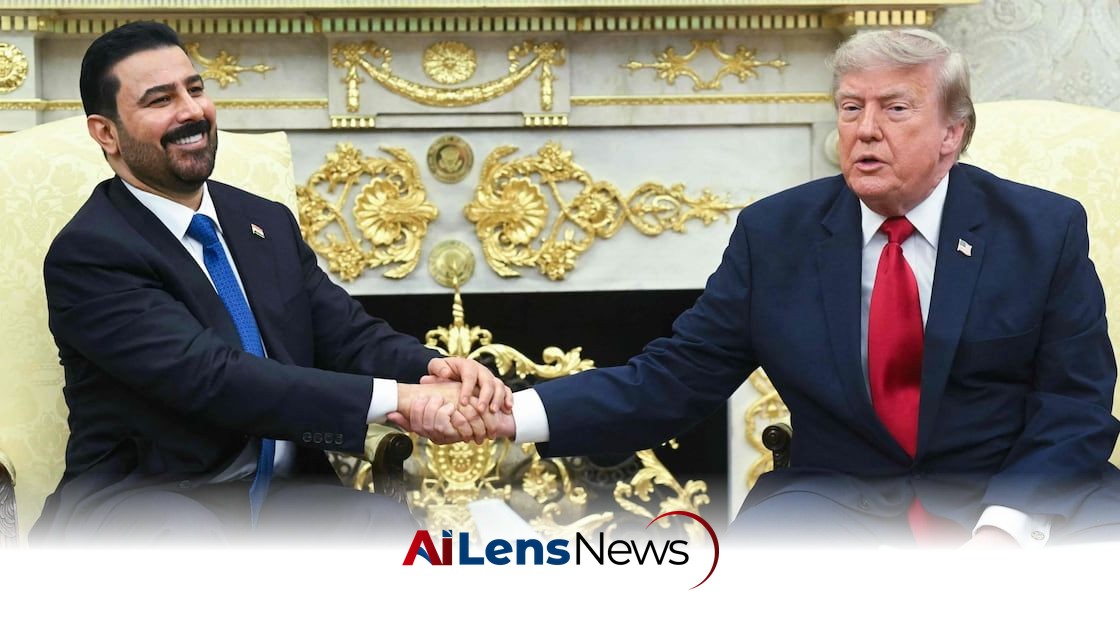


Iraq's new government seeks to mediate between the US and Iran, balancing relations while addressing the influence of Iranian-backed militias.
Abu Dhabi, United Arab Emirates Jul 22, 2026 ALN: Iraq's new government, led by Prime Minister Ali Al Zaidi, is strategically positioning itself to serve as a mediator between two regional powerhouses: the United States and Iran. This initiative reflects Iraq's desire to maintain balanced relations with both nations, which have historically had complex and often adversarial interactions. The potential for Iraq to act as a conduit for dialogue comes at a critical time, as tensions between the US and Iran have escalated in recent years, particularly following the US's withdrawal from the Joint Comprehensive Plan of Action (JCPOA) in 2018 and the subsequent reimposition of sanctions on Iran.
Dr. Abbas Al Anbori, an adviser to Prime Minister Al Zaidi, has been vocal about the necessity of Iraq's diplomatic engagement with both countries. His recent visit to Iran, which included meetings with influential clerics and political figures, underscores the Iraqi government's commitment to fostering a dialogue that could potentially alleviate regional tensions. In discussions surrounding Al Zaidi's meeting with US President Donald Trump, the focus was on Iraq's ability to facilitate talks between the two nations, highlighting Iraq's unique position given its geographical and political ties to both sides.
Currently, Prime Minister Al Zaidi is in Tehran, reportedly exploring the possibility of hosting US-Iran talks in Baghdad. This proposed diplomatic initiative is not only significant for Iraq's foreign policy but also aims to contribute to the broader stability of the region, which has been marred by conflict and unrest. The Iraqi government recognizes that a stable Iraq is essential for regional peace, and mediating between the US and Iran could enhance its standing in both international and regional arenas.
The backdrop of these diplomatic efforts is the ongoing tension between the US and Iran, which has implications for Iraq, particularly concerning security and economic stability. The US has maintained a military presence in Iraq, primarily to combat the remnants of ISIS and to counter Iranian influence in the region. However, this presence has also led to increased hostilities from Iranian-backed militias, which have targeted US bases and interests within Iraq. Dr. Al Anbori's discussions in Qom included strategies to disarm these militias, a move that could be pivotal in reducing violence and fostering a more secure environment for diplomatic talks.
In his remarks to the London-based think tank Chatham House, Dr. Al Anbori articulated a vision of Iraq as a potential gateway for Iran to engage more constructively with the West. He highlighted the plight of the Iranian people under economic sanctions and their yearning for peace and security. This perspective aligns with Iraq's broader goal of promoting stability and economic development in a region that has been significantly affected by geopolitical rivalries.
Despite the Iraqi government's aspirations to mediate between the US and Iran, Dr. Al Anbori expressed concerns about Tehran's perception of Al Zaidi's administration. He noted that previous mediators like Pakistan and Qatar have encountered difficulties, raising questions about Iraq's credibility in this role, particularly in light of the ongoing attacks by armed groups on US facilities. These groups, many of which are believed to have Iranian backing, pose a significant challenge to the Iraqi government's authority and its ability to act as a neutral mediator.
Experts have warned that the Iraqi government may face significant obstacles in its quest to disarm militias by the upcoming October deadline. The potential for conflict with these groups, which have deep-rooted connections and influence within the Shiite community, could undermine the government's efforts and provoke further violence. Additionally, the US has indicated that it may impose sanctions on Iraq if the government fails to effectively curb the actions of these armed factions.
The Shiite majority in Iraq, which has historically viewed the US's actions against Iran as a direct threat to their community, adds another layer of complexity to Iraq's foreign policy. Dr. Al Anbori highlighted the growing hardline sentiment among this demographic, which complicates the government's attempts to navigate its relationships with both the US and Iran. Understanding the nuances of Shiite identity and grievances is crucial for any foreign policy strategy aimed at fostering stability and security in Iraq.
Moreover, the representation of hardline Shiite groups in the current government remains a contentious issue. Although parties affiliated with these armed groups secured a significant number of parliamentary seats—80 out of more than 270—none are currently represented in the government. This lack of representation could exacerbate tensions within the Shiite community and challenge the government's legitimacy in the eyes of its constituents, particularly as it attempts to engage with both the US and Iran.
Historically, Iran has supported Shiite militias in Iraq, particularly during the fight against ISIS. However, these groups have faced accusations of undermining state authority, participating in extrajudicial killings, and contributing to violence against demonstrators during Iraq's youth-led protests in 2019. This history complicates Iraq's position as a mediator, as it must balance the interests of these militias with the need for a stable and cooperative relationship with both the US and Iran.
In conclusion, Iraq's ambition to mediate US-Iran relations is a reflection of its strategic interests in achieving regional stability and securing its own sovereignty. The complexities of Iraqi politics, particularly the influence of Shiite militias and the sentiments of the Shiite majority, pose significant challenges to this diplomatic endeavor. As Iraq navigates its role on the international stage, it must carefully balance its relationships with both the US and Iran while addressing the internal dynamics that could either facilitate or hinder its efforts to foster dialogue and peace in the region.
To learn more about the latest developments in Elections, stay updated with our exclusive reports and analyses on AiLensNews.

