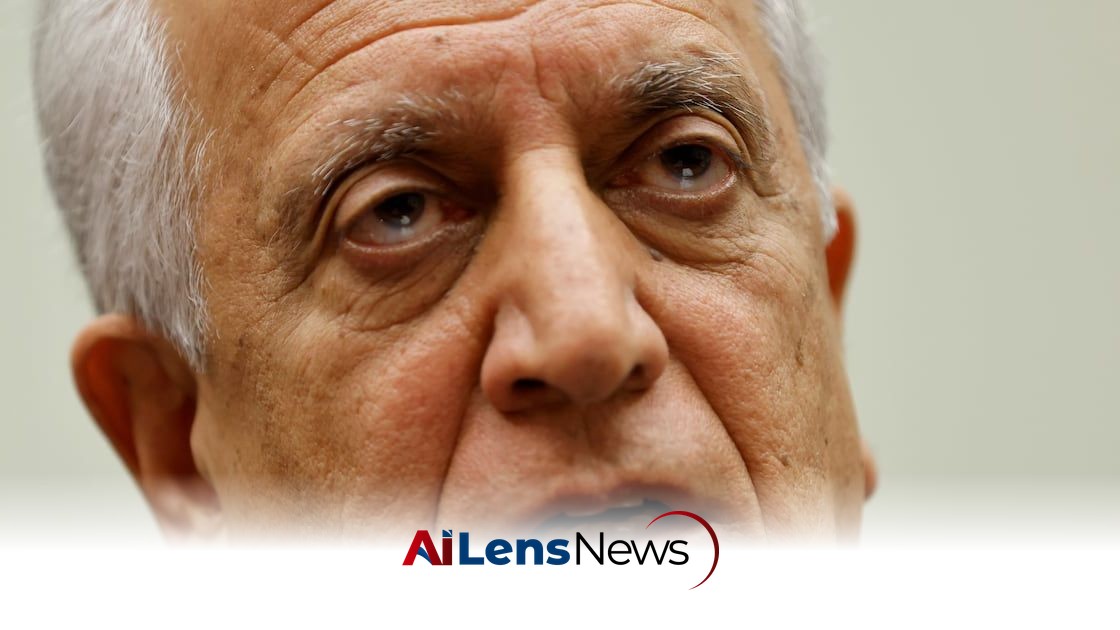


Zalmay Khalilzad praises Iraq's new Prime Minister Ali Al Zaidi for his ability to navigate US-Iran relations amid rising tensions.
Abu Dhabi, United Arab Emirates Jul 23, 2026 ALN: Iraqi Prime Minister Ali Al Zaidi has demonstrated a remarkable ability to manage and maintain ties with both Washington and Tehran, even amid escalating hostility between the two nations, according to former US ambassador to Iraq and Afghanistan, Zalmay Khalilzad. This balancing act is particularly significant given the complex geopolitical landscape of the Middle East, where Iraq sits at a crossroads of competing interests from major powers.
The US and Iran have significant economic, military, and political interests in Iraq. Approximately 2,000 American troops remain in the country, a remnant from the 2003 US invasion that toppled Saddam Hussein. These troops are scheduled to depart by the end of September, although experts express skepticism about this timeline. In the meantime, they continue to advise the Iraqi army in its fight against ISIS, a group that has remained a persistent threat despite significant territorial losses in recent years. The presence of US forces in Iraq is a contentious issue, often viewed through the lens of national sovereignty and the ongoing influence of Iran.
Since the 2003 invasion, Iran has consolidated its influence in Iraq through a combination of economic ties, political parties, and armed groups. This influence poses a challenge for any Iraqi leader who seeks to assert independence, as these groups often act autonomously and have been involved in various forms of violence and intimidation. Mr. Al Zaidi has pledged to bring these armed groups under state control, a promise that resonates with the Iraqi populace, which has grown increasingly weary of corruption and violence.
Mr. Khalilzad, who met Mr. Al Zaidi during a recent trip to Washington, believes that the new Prime Minister, the youngest in Iraq's history, possesses an advantage over his predecessors due to his lack of 'political baggage' and a business-oriented approach. This fresh perspective may enable him to navigate the intricate political landscape more effectively than those who have come before him, many of whom were mired in longstanding political rivalries and corruption scandals. Khalilzad's assessment highlights the potential for a new direction in Iraqi politics, one that could prioritize governance and economic development over entrenched partisan interests.
“He is much younger, for one, more business-oriented and not inclined to [give] long speeches, but gets to the heart of the matter, expressing his views, goals, and strategy succinctly, clearly, and forcefully,” Mr. Khalilzad stated. This approach may resonate with a younger generation of Iraqis who are seeking change and are disillusioned with the political status quo. The ability to communicate effectively and focus on pragmatic solutions could be crucial for Al Zaidi as he confronts the myriad challenges facing his administration.
Mr. Al Zaidi recently held talks with US President Donald Trump at the White House, marking his first overseas meeting since taking office in May. Iraq held elections last November, and Mr. Trump had previously cautioned Baghdad against appointing an Iran-aligned figure like former Prime Minister Nouri Al Maliki. The meeting with Trump underscores the importance of US-Iraq relations, particularly in the context of security cooperation and economic partnerships. It also signals the US's continued interest in maintaining a foothold in Iraq, especially as the region grapples with the implications of Iranian influence.
This week, Mr. Al Zaidi is set to visit Iran, Saudi Arabia, and Turkey, an itinerary that Mr. Khalilzad interprets as a reflection of the Prime Minister's desire to navigate the renewed tensions between Washington and Tehran. This diplomatic outreach is critical for Iraq, as it seeks to establish itself as a sovereign nation capable of managing its own foreign relations without being unduly influenced by either of its powerful neighbors. The ability to engage with both Iran and the US may also provide Iraq with leverage in negotiations and enhance its standing in regional politics.
“My impression from talking with him is that he would like to have relations between two sovereign countries when it comes to both Iran and the US,” Mr. Khalilzad said, emphasizing “a new phase” for Iraq. “Iraq has achieved maturity with his own political independence.” This sentiment reflects a growing desire among Iraqi leaders and citizens alike to assert their national identity and prioritize Iraq's interests over external influences. Achieving this balance will be a formidable task, particularly given the historical complexities of Iraqi politics and the deep-seated rivalries that exist within the country.
Since taking office, Mr. Al Zaidi has initiated a crackdown on corruption, a promise made by many of his predecessors but seldom fulfilled. He has ordered sweeping arrests of high-level officials, leading to dramatic images of gold and cash being recovered. This anti-corruption drive is essential for restoring public trust in government institutions and can serve as a foundation for broader reforms. Additionally, he has mandated a review of major deals signed by the previous government and established a body to oversee high-value contracts, allowing cases of suspicion to be referred directly to the judiciary. These measures could help to create a more transparent and accountable system, which is vital for attracting foreign investment and fostering economic growth.
Despite these efforts, Mr. Khalilzad believes that Mr. Al Zaidi's anti-corruption policy could create a best-case scenario for Iraq, especially ahead of the US withdrawal scheduled for September 30, which experts warn could lead to a security vacuum. The potential withdrawal of US troops raises concerns about the ability of Iraqi security forces to maintain stability in the absence of American support. The Iraqi government will need to demonstrate its capability to manage internal security and address the ongoing threat posed by ISIS and other militant groups.
Mr. Al Zaidi has linked the date of the US drawdown to the disarming of militant groups aligned with Iran. Iraq has faced intense pressure in recent months to rein in these groups, which have been responsible for numerous attacks on US assets and Gulf states since the outbreak of the Iran war in February. The challenge of disarming these groups is compounded by their entrenched presence within Iraqi society and the political landscape. Successfully navigating this issue will be crucial for Al Zaidi's government, as failure to do so could lead to increased violence and instability, undermining the progress that has been made in recent years.
In conclusion, Prime Minister Ali Al Zaidi's tenure is marked by significant challenges and opportunities. His ability to forge a path that balances relations with both the US and Iran, while addressing pressing domestic issues such as corruption and security, will be critical in determining Iraq's future. As he embarks on this complex journey, the eyes of the region and the world will be watching closely, hoping for a stable and prosperous Iraq that can serve as a model for governance in a tumultuous region.
To learn more about the latest developments in Elections, stay updated with our exclusive reports and analyses on AiLensNews.

