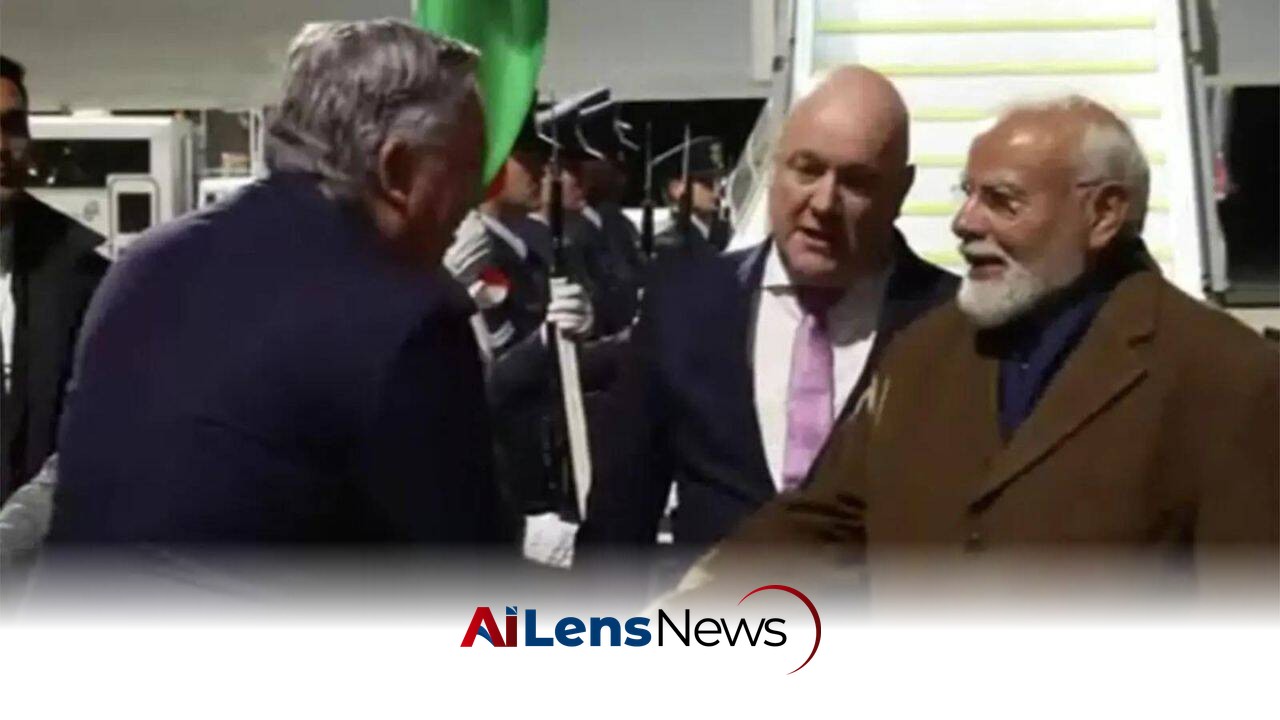


Prime Minister Narendra Modi embarks on a landmark two-day visit to New Zealand, focusing on trade and defense cooperation.
New Delhi, India Jul 10, 2026 ALN: Prime Minister Narendra Modi has arrived in Auckland for a historic two-day visit, marking the first visit by an n Prime Minister to New Zealand in four decades. Upon his arrival, he was warmly welcomed by New Zealand Prime Minister Christopher Luxon at the airport, signaling the importance of this diplomatic engagement. This visit is significant as it aims to strengthen ties between and New Zealand, with a particular focus on enhancing trade, commerce, and defense cooperation.
The discussions during Modi's visit are expected to build on the recent signing of a Free Trade Agreement (FTA) in April, which has laid the groundwork for deeper economic collaboration between the two nations. The FTA is anticipated to facilitate easier access to each other's markets, reduce tariffs, and promote investment flows, thereby benefiting both economies. The agreement represents a strategic move to bolster economic ties, particularly in the wake of the global economic shifts influenced by the COVID-19 pandemic and the ongoing geopolitical tensions in various parts of the world.
Historically, and New Zealand have enjoyed friendly relations, characterized by shared values of democracy and a commitment to multilateralism. However, the last visit by an n Prime Minister took place in 1986, leading to a significant gap in high-level diplomatic engagement that this visit seeks to bridge. The absence of such visits has often been attributed to geographical distances and a focus on other bilateral relationships. Modi's trip represents a concerted effort to reinvigorate this partnership and explore new avenues for cooperation, particularly as both nations look to diversify their international relationships in a rapidly changing global landscape.
During his stay, Modi will engage with the n diaspora in New Zealand, connecting with prominent personalities and community leaders. This engagement is part of a broader effort to strengthen cultural ties and promote mutual understanding between the two nations. The n community in New Zealand is vibrant and has played a significant role in the country’s multicultural landscape. By interacting with this community, Modi aims to showcase 's commitment to its diaspora and highlight their contributions to New Zealand's economy and society. The n diaspora in New Zealand has been instrumental in various sectors, including technology, healthcare, and education, and their integration into New Zealand's social fabric underscores the importance of such cultural exchanges.
The agenda for the visit includes key discussions on various sectors, including technology, education, and sustainable development. Both leaders are anticipated to explore opportunities for collaboration that could benefit both countries economically and strategically. New Zealand's expertise in areas such as agriculture, renewable energy, and education presents potential synergies with 's rapidly growing economy. For instance, partnerships in technology and innovation could facilitate knowledge transfer and boost job creation in both nations. The collaboration in education, particularly in higher education and vocational training, could enhance skill development, which is crucial for both countries as they navigate the challenges posed by a globalized economy.
In the realm of defense cooperation, Modi's visit is expected to address security concerns in the Indo-Pacific region. Both nations have a vested interest in maintaining stability and security in this strategically important area, which has seen increasing geopolitical tensions, particularly with the rise of China as a dominant force in the region. Strengthening defense ties could involve joint exercises, intelligence sharing, and collaboration on counter-terrorism efforts. Such initiatives are vital not only for bilateral security but also for contributing to a broader regional stability framework that includes other nations with similar interests.
As the world continues to navigate complex geopolitical landscapes, this visit underscores the importance of international partnerships. Modi's trip is not only a diplomatic milestone but also a step towards fostering a more robust relationship between and New Zealand. The global context, characterized by shifting power dynamics and emerging challenges, necessitates countries like and New Zealand to work together more closely. The rise of non-traditional security threats, including cyber threats and climate change, further emphasizes the need for collaborative approaches to address these issues effectively.
In conclusion, PM Modi's visit is a historic moment that reflects the evolving dynamics of global diplomacy and the commitment of both nations to work together for mutual benefit. The outcomes of this visit could have significant implications for future collaborations, potentially setting the stage for a stronger bilateral relationship that addresses both nations' aspirations in a rapidly changing world. As the visit unfolds, the international community will be watching closely to see how these discussions translate into actionable agreements and initiatives that can foster greater cooperation and understanding between and New Zealand. The future trajectory of this relationship could serve as a model for other nations seeking to enhance their bilateral ties in an increasingly interconnected world.
To learn more about the latest developments in Leaders & Politicians, stay updated with our exclusive reports and analyses on AiLensNews.

