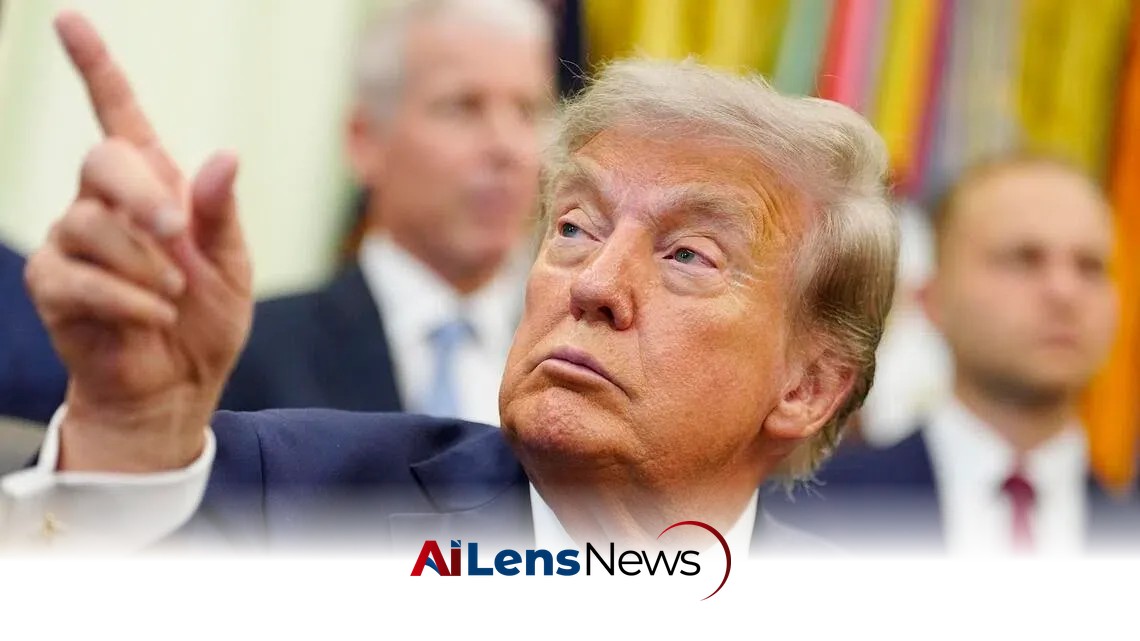


US missiles targeted Iran as President Trump threatens further military action, leaving the path to de-escalation unclear amidst ongoing conflict.
Singapore, Singapore Jul 25, 2026 ALN: US missiles struck targets across Iran on July 24, with President Donald Trump vowing "major military punishment" for Tehran and its Houthi allies in Yemen. This military action is part of a broader escalation in tensions that have been building over the past several months, particularly since the collapse of diplomatic negotiations aimed at curbing Iran's nuclear ambitions and its regional influence through proxy groups. Despite the escalating conflict, Trump left open the possibility of a diplomatic resolution, indicating a complex interplay between military action and potential negotiation.
Two weeks prior to the strikes, a failed interim truce aimed at ending the ongoing war in the region had left both sides more entrenched in their positions. Iranian forces retaliated by attacking US bases in neighboring Arab countries, with Iranian officials warning that they could target non-military buildings housing US personnel. This warning highlights the potential for civilian casualties in an already volatile situation, further complicating the dynamics of the conflict.
In recent days, Trump has escalated his rhetoric, threatening to expand military targets to include Iran’s energy facilities and strategic infrastructure. This includes a deep-underground nuclear site known as Pickaxe Mountain, which has been a focal point of international concern regarding Iran's nuclear program. The potential targeting of such critical infrastructure raises alarms about the implications for global oil markets and regional stability.
On July 24, Trump indicated that no decision had been made regarding new major strikes, stating, "We are talking to them. I think they’re being serious. I think... they are being by far the most serious that we’ve seen them, but that doesn’t mean we get there." This statement reflects a cautious approach, suggesting that while military options are on the table, there is still an interest in pursuing diplomatic channels. He also mentioned the possibility of a military exit strategy or a smarter approach through negotiation, indicating a desire to avoid a prolonged conflict.
Later that day, Trump announced that Israeli Prime Minister Benjamin Netanyahu would visit the United States next week, with discussions expected to focus on the ongoing conflict as it nears the five-month mark. Israel has been a key player in the region, often taking a hardline stance against Iran, and its involvement in discussions could signal a coordinated approach to addressing the threats posed by Iranian actions.
The Strait of Hormuz, a critical waterway for global oil shipments, has been at the center of the conflict. This narrow passage is vital for the transportation of oil from the Persian Gulf to international markets, and any disruptions have far-reaching implications for global energy prices. The ongoing conflict has resulted in thousands of casualties and heightened global inflation concerns, as fluctuations in oil prices can impact economies worldwide.
The Houthis, who control northern and western Yemen, have declared a naval blockade of Saudi Arabia, diverting millions of barrels of oil to the Red Sea to avoid Iran’s blockade of Hormuz. This maneuver not only complicates the logistics of oil transportation but also exacerbates the humanitarian crisis in Yemen, where the Houthi movement has been engaged in a prolonged conflict against a Saudi-led coalition. The situation in Yemen remains dire, with millions facing famine and lack of access to essential services.
Following Houthi attacks on Saudi tankers on July 23, Trump stated he would hold Iran accountable for any further assaults by the Houthis. This statement underscores the US administration's commitment to supporting its allies in the region, particularly Saudi Arabia, which has been a primary target of Houthi attacks. The US's role in the region has often been framed as a stabilizing force, although this perspective is contested by various factions within the Middle East.
The US military launched air strikes on Iran late on July 23 and early on July 24, marking 13 consecutive nights of attacks. The Iranian health ministry reported 59 fatalities and 666 injuries since clashes resumed in late June, indicating the human toll of the ongoing conflict. Iranian officials have threatened to retaliate for every Iranian killed, intensifying the conflict that has already claimed 18 US service members and injured over 100. This cycle of retaliation raises concerns about an escalating conflict that could draw in additional regional and global powers.
Brent crude prices fell by more than $4 to just over $96 on July 24, following a surge to $100 per barrel due to the previous day's attacks on Saudi tankers. This volatility in oil prices reflects the interconnectedness of military actions and economic consequences, as traders react to geopolitical developments that could impact supply and demand dynamics in the oil market.
Amid these tensions, Pakistan is reportedly exploring avenues to resume stalled talks between the US and Iran, with discussions facilitated by China. Pakistan's involvement in mediating talks highlights the complex web of alliances and rivalries in the region, as various countries seek to navigate the challenges posed by Iran's actions and the US response. China's role as a mediator also underscores its increasing influence in Middle Eastern affairs, particularly as it seeks to expand its Belt and Road Initiative and secure energy supplies.
The Houthi attacks have forced several tankers to reroute through the Suez Canal, significantly extending their journey to Asia. This diversion not only increases shipping costs but also raises the risk of further confrontations in the region. Despite this, half of the 18 ships exiting Bab el-Mandeb on July 23 were carrying crude oil, including two Chinese supertankers, indicating the continued importance of this trade route despite the risks involved.
Meanwhile, the Iranian army claimed responsibility for attacks on US military equipment depots in Kuwait, while Kuwait's air defenses intercepted "hostile" targets launched from Iran. These developments illustrate the broader regional implications of the conflict, as attacks on US assets can provoke a stronger military response and further entrench the US presence in the region.
Iran’s Revolutionary Guards announced they had severely damaged a surveillance tower used by the US Fifth Fleet in Bahrain. The situation remains precarious as diplomatic efforts continue amidst ongoing military actions. The involvement of the Fifth Fleet, which is stationed in Bahrain, underscores the strategic importance of the Gulf region for US military operations and the potential for conflict to escalate further.
As the conflict continues to unfold, the implications for regional stability, global energy markets, and international diplomatic relations remain significant. The potential for miscalculation and escalation is high, and the international community is closely monitoring developments as both sides navigate a complex landscape of military action and diplomatic overtures.
To learn more about the latest developments in Elections, stay updated with our exclusive reports and analyses on AiLensNews.

