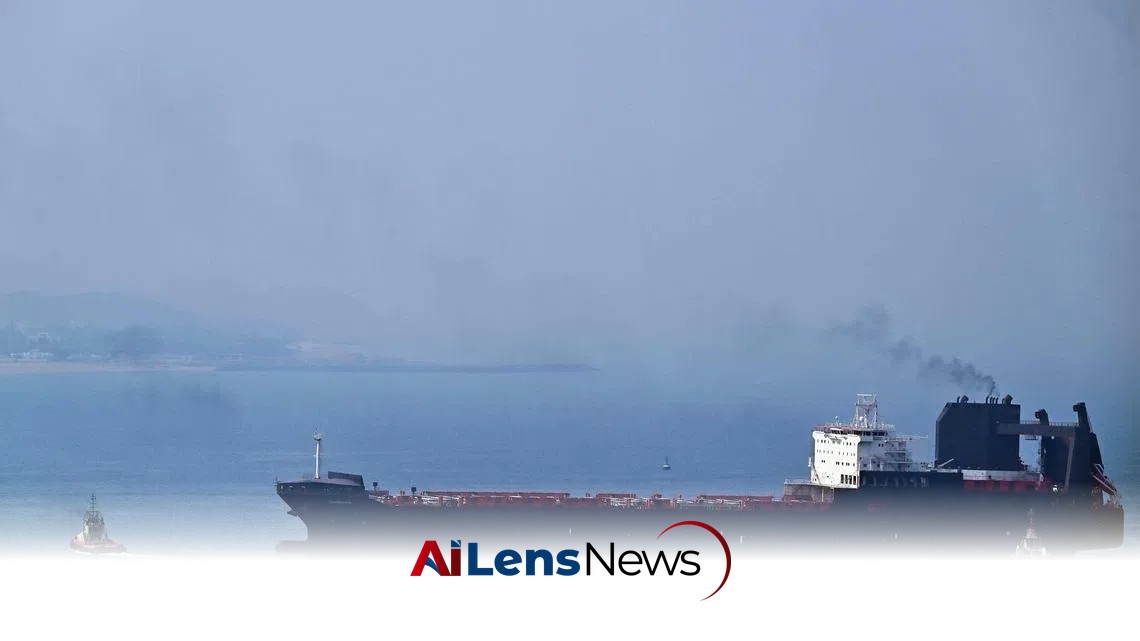


US President Donald Trump has reinstated a naval blockade on Iranian ports, threatening strikes on energy targets unless Tehran returns to negotiations.
Singapore, Singapore Jul 15, 2026 ALN: CAIRO/DUBAI/WASHINGTON - US President Donald Trump on July 14 reimposed a naval blockade of all Iranian ports and threatened to hit power plants and bridges next week unless Tehran resumes negotiations, marking a significant escalation in the ongoing conflict between the United States and Iran. This latest move follows a series of military confrontations that have not only strained US-Iran relations but have also raised alarms about the stability of the entire Middle East region.
The United States military stated that it had begun a fresh round of strikes aimed at "continuing to degrade Iranian capabilities used to attack commercial shipping in the Strait of Hormuz." This strategic waterway, which is vital for global oil transportation, has become a flashpoint for military engagements and tensions between the two nations. Iran's response has been to assert that it has effectively closed the strait, a move that could have dire implications for international shipping and global energy supplies.
In an interview with Fox News, Trump indicated that his administration would target energy infrastructure in Iran unless negotiations resumed, stating, "I’ll save the energy targets for last, but ultimately we’ll hit energy targets." He further emphasized the urgency for Iran to return to the negotiating table, warning, "Next week comes the power plants, next week comes the bridges." This rhetoric reflects a hardline stance that has characterized Trump's approach to Iran since he took office, particularly following the withdrawal of the United States from the Iran nuclear deal in 2018.
On July 15, Iran's military claimed responsibility for drone attacks against US positions at Jordan’s Azraq base, a move that escalated hostilities and drew a swift response from Washington. Reports indicated that the Iranian Islamic Revolutionary Guard Corps (IRGC) targeted weapons and storage facilities in Bahrain and Kuwait, although these claims could not be immediately verified. The situation in the region has become increasingly precarious, with the potential for further military engagements looming.
The recent flare-up of hostilities has cast doubt on a memorandum of understanding signed in June, which had aimed to establish a fragile truce after months of fighting that has resulted in thousands of casualties. The conflict has not only affected Iran but has also extended to its neighbors, leading to significant disruptions in global energy supplies.
On July 14, the US military reported that Iran had attacked seven commercial ships over the preceding week, resulting in casualties among crew members. The United Arab Emirates confirmed that two of its oil tankers had been struck by Iranian cruise missiles, leading to the death of one Indian crew member and injuries to several others. The IRGC stated that the vessels targeted were "offending" supertankers that had ignored warnings, although the specific identities of these vessels were not disclosed.
As tensions escalated, Trump had previously floated the idea of imposing a 20 percent fee on shipping through the Strait of Hormuz, a proposal that faced sharp criticism from the United Nations shipping agency and other international bodies. However, he later abandoned this idea, stating that he would seek investment deals with Gulf states instead, although details of any potential agreements remained vague.
The reimposition of the naval blockade against vessels transiting to and from Iranian ports took effect at 2000 GMT on July 14, following a period of relative calm after the blockade had been lifted in June. Trump asserted that the strait remains open to all shipping traffic except that of Iran, a declaration underscoring the US's commitment to maintaining a military presence in the region. Currently, more than 20 US Navy warships and hundreds of military aircraft are operating across the Middle East, a show of force that aims to deter further Iranian aggression.
The ongoing conflict has proven unpopular within the United States, particularly as gasoline prices have risen amidst the escalating tensions and military actions. With congressional elections approaching in November, the Biden administration faces pressure to manage the situation effectively to avoid backlash from voters concerned about rising fuel costs and the implications of military engagement abroad.
In the broader context, the price of benchmark Brent crude oil has surged by 15 percent over the past week, reaching $85 a barrel, the highest level since mid-June. This spike in oil prices is indicative of the market's response to the heightened risk associated with shipping through the Strait of Hormuz, through which approximately one-fifth of global oil and gas shipments pass daily.
The war, which erupted in February following joint US-Israeli strikes on Iranian targets, has since claimed thousands of lives, primarily in Iran and Lebanon, and has expanded to include other Gulf nations as Iran retaliated against its neighbors. While the global economy has managed to absorb some of the initial shocks from this conflict, the International Monetary Fund has warned that extending the war beyond mid-July could pose significant risks, particularly as countries have largely depleted their strategic oil reserves to buffer consumers from price hikes. A Reuters poll indicated that half of respondents believed the war has not justified its costs, reflecting a growing sentiment of war fatigue among the public.
On July 14, Iran also claimed responsibility for a ballistic missile attack against a US Army base in Jordan, while Bahrain reported successfully fending off an Iranian aerial attack. Other Gulf states have similarly reported coming under fire, further complicating the regional security landscape. The governor’s office of Iran’s Qeshm Island reported that it was struck by a US projectile, marking an escalation in direct confrontations between the two nations.
Washington has consistently maintained that Iran must never acquire a nuclear weapon, a claim that Tehran denies, asserting that its nuclear ambitions are peaceful. Conversely, Iran seeks an end to the US-led sanctions that have crippled its economy and demands recognition of its influence over the Strait of Hormuz, a critical maritime chokepoint for global oil flows. Trump's comments regarding potential investments from unnamed countries further complicate the diplomatic landscape, as it remains unclear what commitments, if any, Gulf states have made in response to the ongoing crisis.
As the situation continues to evolve, the implications of these military and diplomatic maneuvers are likely to reverberate not only throughout the Middle East but also across global markets, as stakeholders monitor the potential for further escalations and their impact on energy supplies and geopolitical stability.
To learn more about the latest developments in Political Controversies, stay updated with our exclusive reports and analyses on AiLensNews.

