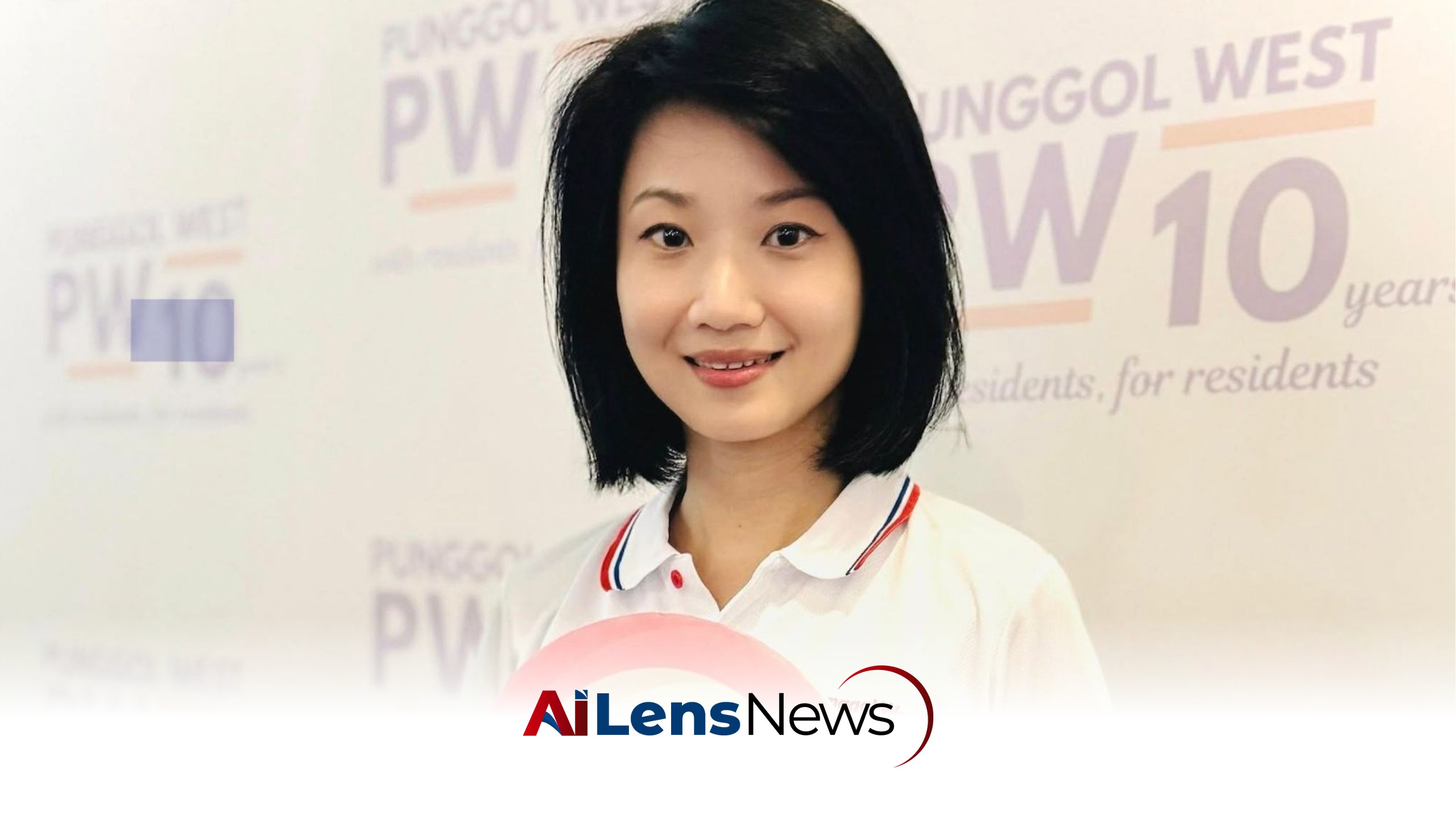


Following PM Wong's Cabinet reshuffle, Singaporeans express support for Sun Xueling, questioning her absence from the new appointments.
Singapore, Singapore Jul 23, 2026 ALN: In the wake of Prime Minister Lawrence Wong’s announcement on July 22 regarding changes to his Cabinet and other appointments to political office, Singaporeans online had a lot to say. The reshuffle has sparked discussions and debates about the direction of the government and the roles of various ministers, reflecting a broader interest in the political landscape of Singapore.
Cabinet reshuffles are significant events in Singapore’s political calendar, often indicating the government’s priorities and strategies moving forward. In this latest reshuffle, much has been made of the apparent fast-tracking of certain first-time Members of Parliament, which has led to a mix of reactions among the public.
Specifically, Jeffrey Siow, 48, and David Neo, 48, who had been serving as Acting Transport Minister and Acting Minister for Culture, Community and Youth respectively, were promoted to full ministers. This elevation marks a significant milestone in their political careers, particularly as they have both taken on important roles in the government during a period of transition and challenge. Jasmin Lau, 43, was appointed as Acting Minister of Manpower and promoted to Senior Minister of State for Digital Development and Information. Her appointment is noteworthy as she is one of Singapore’s youngest political office holders at the ministerial level, symbolizing a potential shift towards a younger leadership in the Singaporean political sphere.
Additionally, as noted by various commentators, the recent changes have resulted in a record number of women in the Cabinet, with five women now holding ministerial positions, the most in Singapore’s history. This has been seen as a positive step towards gender representation in the government, a topic that has gained increasing attention in recent years. Grace Fu serves as the Minister for Sustainability and the Environment and is also the Minister-in-charge of Trade Relations. Indranee Rajah holds multiple roles, including Minister in the Prime Minister’s Office, Second Minister for Finance, Second Minister for National Development, and the Leader of the House. Josephine Teo is responsible for Digital Development and Information and oversees Smart Nation and Cybersecurity initiatives. The presence of these women in high-ranking positions may influence public perception of women in leadership roles and could inspire future generations of female leaders in Singapore.
Aside from Ms Lau’s promotion and appointment, Sim Ann was promoted to Second Minister for Foreign Affairs and Second Minister for Home Affairs. These appointments reflect the government’s focus on strengthening its foreign relations and internal security in a rapidly changing global landscape.
However, amidst the excitement surrounding these appointments, some Singaporeans have expressed a desire to see another prominent female politician, Sun Xueling, receive a promotion as well. Comments on social media indicate that many believe she deserves recognition for her contributions and rapport with the community. One Facebook commenter noted, "Sun Xueling is a MP who is humble and has good rapport with the community. She should be promoted," highlighting the importance of public perception and community engagement in the political arena. Another commenter supported this sentiment by pointing out that Ms Sun has been in Parliament longer than Ms Lau, suggesting that experience should be a factor in promotion considerations.
When someone else pointed out that Ms Sun is already a Senior Minister of State for Transport and National Development, another commenter clarified that the position of Acting Minister is considered higher than Minister of State. This exchange underscores the complexities and nuances of political titles and the public’s understanding of them. The distinction between these roles can sometimes lead to confusion regarding the hierarchy within the government.
Despite the calls for Ms Sun’s promotion, it cannot be argued that Ms Lau is unqualified for her new position. While she may be newer to politics than Ms Sun, 47, who has been in Parliament since 2015, Ms Lau brings a wealth of experience from her time in the civil service. She has been engaged in public service since 2006 and served as deputy secretary in the Health Ministry until her resignation in April 2025, shortly before the General Election. Her background in health policy, especially during the COVID-19 pandemic, likely contributed to her appointment, as the government continues to navigate the aftermath of the health crisis and its implications for public policy.
On the other hand, Ms Sun has been steadily promoted over the years, showcasing her commitment to public service and her ability to handle increasing responsibilities. In 2018, she was appointed Senior Parliamentary Secretary, and two years later, she became a Minister of State. Last year, following the General Election, her appointment as Senior Minister of State was announced, indicating that she has been recognized for her contributions and potential within the government.
The discussion surrounding the Cabinet reshuffle and the calls for Sun Xueling’s promotion reflect broader themes in Singaporean politics, including the importance of representation, the evaluation of political careers, and the evolving nature of leadership within the government. As Singapore continues to face various challenges, including economic recovery post-pandemic, social cohesion, and international relations, the composition of the Cabinet and the experiences of its members will play a crucial role in shaping the country’s future.
In conclusion, the recent Cabinet reshuffle has not only brought new faces and changes to the Singaporean government but has also ignited conversations about representation and meritocracy. As citizens engage in discussions about their leaders and the directions they take, it is clear that the political landscape in Singapore is dynamic and reflective of the society it serves. The promotion of younger leaders and the increasing presence of women in the Cabinet may signal a shift towards a more inclusive and representative governance model, one that could resonate with the aspirations of a diverse and evolving population.
To learn more about the latest developments in Political Controversies, stay updated with our exclusive reports and analyses on AiLensNews.

