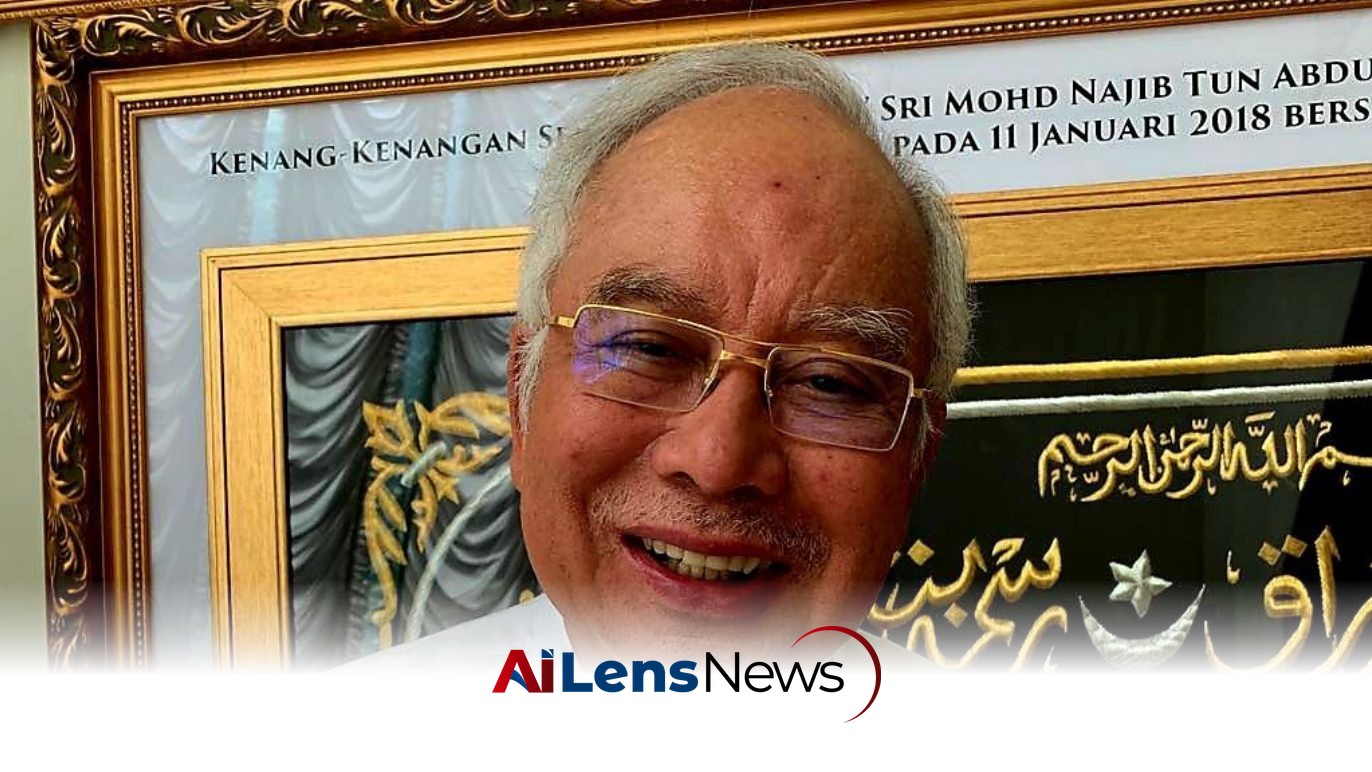


The Johor elections have turned into a battleground over the fate of ex-PM Najib Razak, with political factions leveraging his potential release as a campaign theme.
Singapore, Singapore Jul 14, 2026 ALN: The Pakatan Harapan (PH) coalition has made the freedom of ex-Prime Minister Najib Razak a central theme in their campaign for the Johor elections. This strategic focus highlights the political landscape in Malaysia, where issues of governance, corruption, and individual rights have become increasingly intertwined with electoral politics.
Najib Razak, who served as Prime Minister from 2009 until 2018, has been embroiled in numerous controversies, most notably the 1Malaysia Development Berhad (1MDB) scandal. This scandal involved allegations of embezzlement and misappropriation of billions of dollars from the state fund, leading to Najib's conviction on corruption charges in 2020. His imprisonment has remained a contentious issue in Malaysian politics, particularly as various factions within the ruling and opposition parties have leveraged his situation for political gain.
In the lead-up to the Johor elections, the PH coalition argues that a landslide victory for the Barisan Nasional (BN) party could pave the way for Najib’s release from prison. This assertion reflects a broader concern among voters about the implications of electoral outcomes on the justice system and the potential for political interference in legal matters. The coalition's emphasis on Najib's freedom serves not only to rally their base but also to alert the electorate to the risks of a BN resurgence, which they claim could undermine the rule of law.
Opponents from the Perikatan Nasional (PN) have questioned why PH is emphasizing Najib's freedom, recalling that the same coalition had previously campaigned for Anwar Ibrahim's release from jail. Anwar, the current Prime Minister and leader of PH, was imprisoned on charges of sodomy, which many critics argued were politically motivated. This historical context adds layers to the current electoral discourse, as both sides leverage past grievances to bolster their positions. Ahmad Fadhli Shaari, Information Chief of the Malaysian Islamic Party (PAS), criticized Anwar for insisting that the Johor State Election should not serve as a platform for discussing the release of any prisoner, highlighting the tension between political narratives and the realities of governance.
“[Anwar] has repeatedly stated that the Johor elections cannot be made the capital for the Johor state election campaign. Everyone knows these elections are only for the state of Johor and do not affect the central government. What is so worrying, Datuk Seri? Back in 2018, Pakatan Harapan itself made the release of Datuk Seri a campaign agenda for PRU2018, even including it in the Mahathir Declaration,” he stated in a recent Facebook post. This statement underscores the cyclical nature of Malaysian political rhetoric, where past actions are scrutinized and used to critique current strategies.
During the campaign, Anwar mentioned that some parties are eager to return to power solely to facilitate Najib's release. This assertion raises significant ethical questions about the motivations behind political ambitions and the extent to which personal interests can influence public policy. The pressing question remains: will Najib be freed following a significant BN win in Johor? The implications of this potential outcome are profound, as it could set a precedent for how political power is exercised in Malaysia and how corruption is treated within the judicial system.
Yesterday, Najib took to Facebook to inquire about his release timeline, sarcastically questioning, “I think PH can’t lie to the people of Johor. If BN wins big in Johor, Najib goes free. So, is Najib free today? Around what time?” This post not only reflects Najib's attempts to maintain visibility and relevance in the political discourse but also illustrates the ongoing public fascination with his narrative. Beyond the sarcasm, Najib is likely aware that factions within the United Malays National Organisation (UMNO) pushing for his release will intensify pressure on Anwar, advocating for a royal pardon. This internal party dynamic reveals the complexities of Malaysian politics, where loyalty and ambition often collide.
Najib also shared graphics depicting the campaigns of Pakatan Harapan leaders opposing his release since 2022, which focus on the 1MDB scandal and allegations of him siphoning money from the country. The posters, dated 2022 and 2026, illustrate the ongoing campaigns by PH that revolve around Najib and 1MDB over the years. Accompanying the posters, Najib quoted: “Did I not say that already?” This statement serves to highlight his perception of the political landscape and his ongoing battle for public support.
Support for Najib has also come from his son, Nazifuddin Najib, who serves as the Langkawi UMNO chief. His remarks sparked controversy when he suggested that a substantial BN victory would signal public support for his father's release. “If we win big, it will send a signal that (Johor voters) still cherish Bossku and hope that Bossku can be with the people,” he told reporters on July 2. This sentiment reflects a broader strategy among Najib's supporters to frame the upcoming elections as a referendum on his leadership and legacy.
“If we need to win in order to free Najib, then let’s win big to prove that the people still love Najib and want him to be released. Anyone who loves Najib should continue voting for BN so that we can ensure Bossku can come out,” he reportedly stated. This has raised questions, along with statements from parties opposed to Anwar, about whether the Johor elections might turn into a referendum on Najib’s fate. The potential for the Johor elections to serve as a litmus test for public sentiment towards Najib adds an intriguing dimension to the electoral process, as voters must navigate their opinions on governance, justice, and personal loyalty.
As the Johor elections approach, the stakes are high for all parties involved. The outcome could have far-reaching implications not only for Najib's future but also for the broader political landscape in Malaysia. Should BN secure a significant victory, it may embolden factions within the party to push for Najib’s release and could lead to a reevaluation of the current government's stance on corruption and accountability. Conversely, a strong performance by PH could reinforce the narrative of accountability and justice, sending a message that the electorate prioritizes integrity over loyalty.
In conclusion, the Johor elections are shaping up to be a critical juncture in Malaysian politics, with Najib Razak's freedom becoming a pivotal issue that encapsulates the broader themes of governance, corruption, and electoral accountability. As voters prepare to cast their ballots, they are faced with not just a choice of candidates, but a decision that could influence the trajectory of Malaysian democracy for years to come.
To learn more about the latest developments in Elections, stay updated with our exclusive reports and analyses on AiLensNews.

