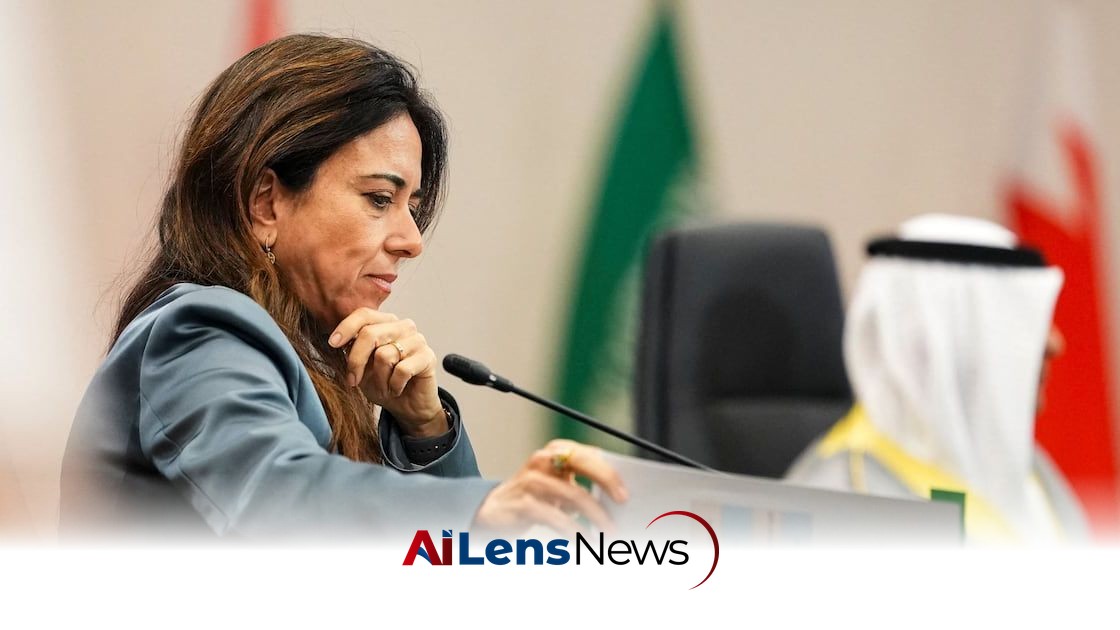


Lana Nusseibeh emphasizes the need for diplomatic and defensive measures to reopen the vital waterway, urging Iran to adhere to agreements.
Riyadh, Saudi Arabia Jul 15, 2026 ALN: The Strait of Hormuz is a strategically significant waterway, connecting the Persian Gulf to the Gulf of Oman, and is a critical conduit for global oil and gas supplies. Approximately 20% of the world’s petroleum passes through this narrow strait, making its safety and accessibility vital not only for the countries bordering the strait but also for the global economy. During a recent security forum in Brussels, Lana Nusseibeh, the Minister of State for Foreign Affairs of the United Arab Emirates (UAE), emphasized the urgent need for diplomatic and defensive measures to ensure the reopening of this crucial maritime route.
In her remarks, Ms. Nusseibeh highlighted that Iran should not be permitted to leverage its position in the Strait of Hormuz to exert pressure on international shipping and trade. The UAE's position reflects a broader concern among Gulf states and the international community about the potential for conflict in the region to disrupt vital shipping lanes. The Minister underscored the importance of international cooperation in addressing the challenges posed by Iran's actions in the strait, which have included threats to shipping and military maneuvers that escalate tensions.
Ms. Nusseibeh articulated that her discussions with European Union officials were constructive, focusing on practical steps that could be taken to alleviate the ongoing crisis surrounding the Strait of Hormuz. The UAE has consistently advocated for a diplomatic approach to resolving tensions, emphasizing the need to uphold the principles of freedom of navigation that are essential for international trade.
“Practically speaking, we need to see the Strait of Hormuz opened using all means necessary that are defensive, of course, which is what we have been doing,” she stated, reflecting the UAE's commitment to ensuring the safety of maritime navigation while also preparing to defend its interests. This dual approach of diplomacy combined with readiness for defensive measures illustrates the complex nature of security in the region, where military readiness often coexists with calls for dialogue.
The backdrop to these discussions includes a framework agreement signed by the United States and Iran in June, which stipulated that Iran would allow free transit through the Strait of Hormuz for a period of 60 days. However, this agreement has faced significant challenges, particularly following a series of retaliatory actions taken by American forces in response to Iranian attacks on commercial vessels. Such incidents have not only heightened tensions but have also complicated diplomatic efforts aimed at stabilizing the region.
In her address, Ms. Nusseibeh called for the revival of the Iran-U.S. framework agreement, urging Iran to adhere to its commitments under the terms of the deal. She posited that a coalition of nations should come together, equipped with demining and naval capabilities, to facilitate the reopening of the strait. This call for collective action underscores the UAE's recognition that addressing the challenges in the Strait of Hormuz requires a concerted effort from multiple countries, rather than unilateral actions.
The UAE has faced profound challenges stemming from Iranian actions, particularly in light of the ongoing conflict in the region. The UAE's advocacy for a comprehensive solution to Iran’s nuclear and military programs reflects a broader regional concern about the implications of a nuclear-armed Iran and the potential for increased military conflict. The UAE's leadership in this area is indicative of its strategic interests in maintaining regional stability and ensuring the security of critical maritime routes.
In response to the escalating tensions, several nations, including France and the United Kingdom, are working to establish a defensive naval coalition aimed at operating in the Strait of Hormuz. However, the initiation of this mission has been delayed due to recent escalations in hostilities, illustrating the precarious nature of security in the region. The formation of such coalitions highlights the international community's recognition of the need for a proactive stance to safeguard maritime navigation and prevent potential conflicts that could arise from further Iranian aggression.
Additionally, the International Maritime Organisation's secretary-general, Arsenio Dominguez, has engaged in discussions with Oman regarding initiatives that could facilitate the resumption of maritime traffic through the Strait of Hormuz. Oman, which shares a border with Iran and has historically played a mediating role in regional disputes, could be pivotal in fostering dialogue and cooperation among the involved parties. These diplomatic overtures are essential in creating a conducive environment for the safe passage of vessels through the strait.
Reopening the Strait of Hormuz is not merely a regional concern; it has significant implications for the global economy. The strait serves as a vital artery for oil and gas supplies, and any disruption could lead to substantial increases in energy prices and broader economic instability. The UAE's commitment to diplomatic efforts underscores the importance of international collaboration in ensuring maritime security and maintaining the flow of trade through this critical waterway.
In conclusion, the call for the reopening of the Strait of Hormuz through diplomatic and defensive means reflects the complex interplay of regional security, international diplomacy, and global economic interests. The UAE, under the leadership of Minister Lana Nusseibeh, is actively seeking to navigate these challenges while advocating for a multilateral approach that emphasizes cooperation and adherence to international agreements. The path forward will require sustained dialogue, a commitment to maritime security, and a collective effort to address the underlying tensions that threaten the stability of this vital waterway.
The significance of the Strait of Hormuz extends beyond its geographical dimensions; it embodies the intricate dynamics of Middle Eastern geopolitics. Historically, this region has been a focal point for international powers, often leading to a complex web of alliances and hostilities. The strategic importance of the strait has made it a flashpoint for tension, particularly between Iran and its neighbors, as well as Western nations. The ongoing maritime disputes and military posturing underscore the fragile balance of power in the region.
Furthermore, the economic implications of any disruption in the Strait of Hormuz are profound. A significant portion of the world's oil supply traverses this strait, and any threats to its security can lead to immediate spikes in oil prices, affecting global markets. The interconnectedness of the global economy means that instability in one region can have ripple effects worldwide, impacting everything from fuel prices to inflation rates. The UAE's proactive stance in advocating for the reopening of the strait is not just a matter of regional security; it is also a critical component of global economic stability.
Moreover, the geopolitical landscape surrounding the Strait of Hormuz is characterized by the involvement of multiple international actors, each with their own interests and agendas. The United States, for instance, has maintained a significant military presence in the region, aimed at deterring Iranian aggression and ensuring the free flow of commerce. This military presence, however, has also been a source of contention, as Iran views it as an infringement on its sovereignty and a provocation. The delicate interplay of military readiness and diplomatic negotiations highlights the challenges of achieving a lasting resolution to the tensions in the strait.
In light of these complexities, the UAE's diplomatic efforts are crucial in fostering dialogue and cooperation among the involved parties. The call for a coalition to address the challenges in the Strait of Hormuz reflects a recognition that unilateral actions may not yield sustainable solutions. Instead, a multilateral approach that involves various stakeholders is essential for creating a stable and secure maritime environment. The UAE's leadership in this regard is indicative of its broader commitment to regional stability and its desire to play a constructive role in international affairs.
As the situation continues to evolve, it is imperative for the international community to remain engaged and supportive of diplomatic initiatives aimed at de-escalating tensions. The path forward will require not only dialogue but also a commitment to upholding international norms regarding maritime security and freedom of navigation. The UAE's advocacy for a comprehensive and collaborative approach serves as a reminder of the importance of diplomacy in addressing the challenges posed by regional conflicts and ensuring the safe passage of vessels through the Strait of Hormuz.
To learn more about the latest developments in Political Controversies, stay updated with our exclusive reports and analyses on AiLensNews.

