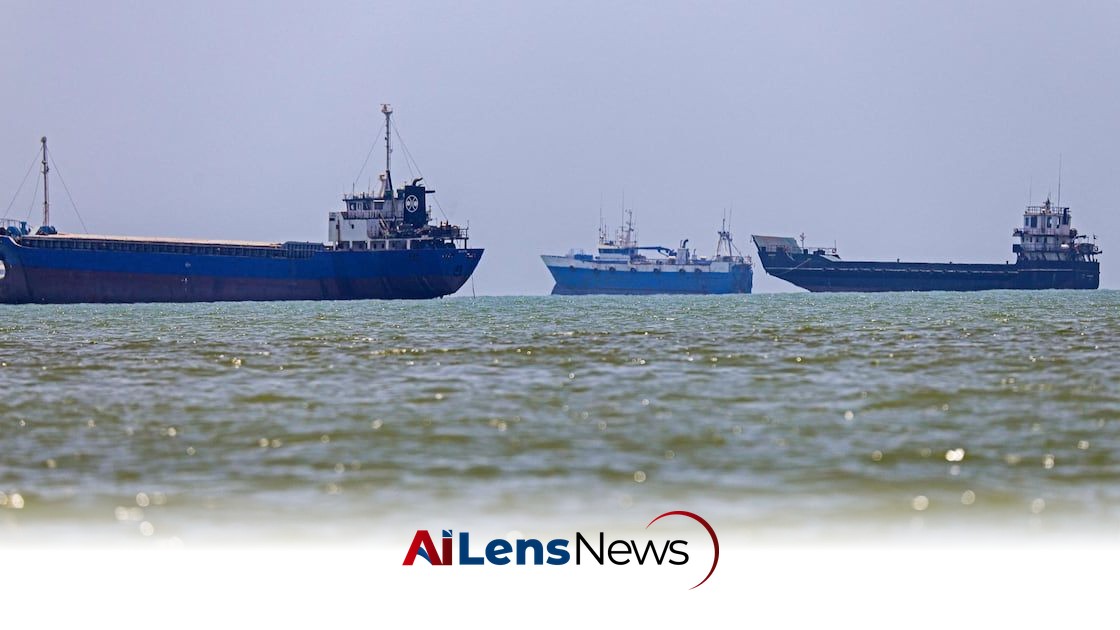


In a recent statement, Trump announced the US will enforce a 20% toll on vessels in the Strait of Hormuz, reinstating the Iranian blockade.
Riyadh, Saudi Arabia Jul 14, 2026 ALN: In a significant escalation of tensions in the Middle East, former President Donald Trump has declared that the United States will assume the role of the "Guardian of Hormuz," a strategic waterway crucial for global oil transport. This announcement comes amid ongoing hostilities between the US and Iran, particularly concerning maritime security in the Strait of Hormuz. The declaration is reflective of the broader geopolitical dynamics that have characterized US-Iran relations over the past several years, particularly since Trump's presidency.
Trump's statement included a controversial plan to impose a 20% toll on all vessels passing through the Strait, a move that has raised eyebrows among international observers and maritime stakeholders. The Strait of Hormuz is a vital passage for approximately 20% of the world's oil supply, making it a focal point for geopolitical tensions. The announcement is not just a tactical maneuver; it signals a potential shift in the US's approach to its foreign policy in the region, particularly in relation to Iran.
The Strait of Hormuz, located between Oman and Iran, is a narrow passage that connects the Persian Gulf to the Arabian Sea. It has been a hotspot for military and economic conflicts, particularly due to its significance in global oil transportation. Over the years, various incidents involving Iranian naval forces and international shipping have heightened concerns about safety and security in the region. The strategic importance of the Strait of Hormuz cannot be overstated. It is the only sea passage from the Persian Gulf to the open ocean, and its narrowest point is only about 21 miles wide. This constriction makes it vulnerable to blockades or military action, which could have dire consequences for global oil supply and prices.
Historically, the Strait has been the scene of military confrontations, including the Iran-Iraq War in the 1980s, where both nations targeted oil tankers, and more recent skirmishes involving Iranian forces seizing foreign vessels. The geopolitical significance of the Strait has made it a point of contention, with various nations, including the US, seeking to assert their influence over this critical maritime route. The US Navy has maintained a presence in the region for decades, primarily to ensure the free flow of oil and to counter Iranian influence.
Trump's declaration to act as the "Guardian of Hormuz" is seen as a strategic maneuver to reassert US influence in the region. By reinstating the Iranian blockade, he aims to curb Iran's maritime activities, which the US has long viewed as provocative. This move could potentially lead to increased military presence in the area, as the US seeks to protect its interests and those of its allies. Trump's rhetoric often emphasizes a strong military posture, reflecting a belief that a show of force is necessary to deter adversaries.
Historically, the US has maintained a military presence in the Gulf region, primarily to ensure the free flow of oil and to counter Iranian influence. Trump's announcement may signal a shift towards a more aggressive posture, reminiscent of his administration's earlier strategies, which included the withdrawal from the Iran nuclear deal and the subsequent re-imposition of sanctions on Iran. This approach has often been criticized for escalating tensions rather than fostering a diplomatic resolution. The implications of such a stance could lead to a further deterioration of relations between the US and Iran, with potential ramifications for regional stability.
The international community has reacted with caution to Trump's announcement. Many countries that rely on the Strait for oil imports are concerned about the implications of a toll on shipping routes. Analysts warn that such actions could escalate tensions further, leading to potential confrontations between US forces and Iranian naval units. The historical context of US-Iran relations adds a layer of complexity to the situation, as both nations have a long-standing history of mistrust and conflict.
The implications of Trump's declaration extend beyond immediate military concerns. The geopolitical landscape of the Middle East is already complex, with various state and non-state actors vying for influence. The US's role as a self-proclaimed "Guardian" could alter alliances and provoke reactions from regional powers, including Saudi Arabia and Israel, who have historically viewed Iran as a significant threat. The shifting balance of power could lead to new alignments and partnerships in the region, as nations reassess their strategies in light of US actions.
Moreover, the potential for increased military presence in the Strait raises concerns about the safety of commercial shipping. Shipping companies may face higher insurance costs and logistical challenges, which could deter some from transiting through the Strait altogether. This could lead to a shift in global shipping routes, with vessels seeking alternative paths that may be longer and more expensive. The economic implications of such a shift could reverberate throughout global supply chains, affecting a wide array of industries.
Additionally, Trump's declaration may have implications for domestic politics in the US. As tensions rise, the administration may face pressure from various factions within Congress, including those advocating for a diplomatic approach versus those favoring military action. The balance of power in Congress could influence the administration's ability to implement its plans effectively. Bipartisan discussions may emerge as lawmakers grapple with the potential consequences of increased military engagement in the region.
As the situation develops, the world watches closely to see how Trump's declaration will affect maritime security in the Strait of Hormuz. The balance of power in the region hangs in the balance, and the implications of these actions could resonate far beyond the waters of the Persian Gulf. The potential for conflict, the impact on global oil prices, and the necessity for diplomatic engagement are all critical factors that will shape the future of US-Iran relations and the broader geopolitical landscape. The unfolding events will be closely monitored by global leaders, analysts, and stakeholders as they navigate this complex and precarious situation.
To learn more about the latest developments in Political Controversies, stay updated with our exclusive reports and analyses on AiLensNews.

