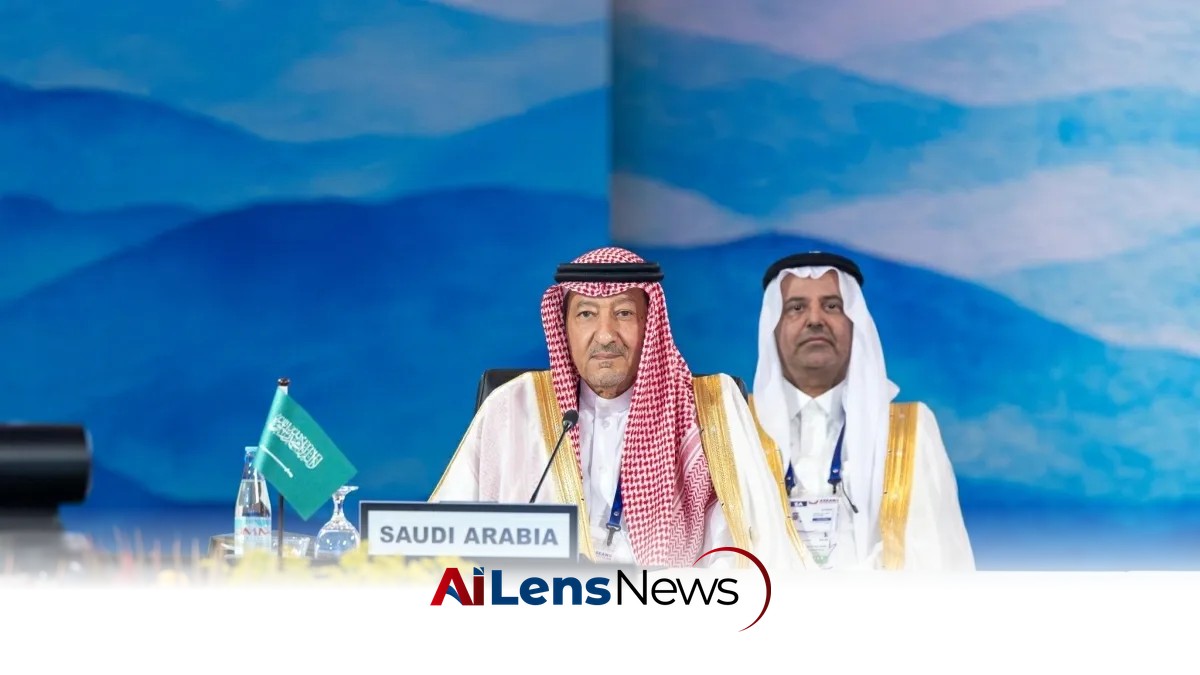


At the ASEAN conference in Manila, Saudi Arabia's Deputy Foreign Minister emphasized the Kingdom's dedication to dialogue, condemning Iranian attacks and Houthi claims.
Riyadh, Saudi Arabia Jul 25, 2026 ALN: Saudi Arabia reaffirmed its commitment to dialogue, diplomacy, and regional cooperation during the Treaty of Amity and Cooperation (TAC) Conference in Manila, while condemning Iranian attacks on Gulf infrastructure and rejecting Houthi allegations against the Kingdom. This event is significant as it marks a continued effort by Saudi Arabia to position itself as a leader in regional stability and diplomacy, particularly in a time when geopolitical tensions in the Middle East are high.
Representing Foreign Minister Prince Faisal bin Farhan, Deputy Foreign Minister Waleed Al-Khuraiji addressed the conference, titled "Conflict Prevention and Preventive Diplomacy," emphasizing the importance of strengthening dialogue, building mutual trust, and expanding regional cooperation. This emphasis on dialogue and diplomacy reflects Saudi Arabia's broader foreign policy strategy, which aims to enhance its role as a stabilizing force in the Middle East and beyond. The Kingdom's diplomatic efforts are particularly crucial as they navigate complex relationships with neighboring countries and global powers.
The TAC Conference, which brings together member states of the Association of Southeast Asian Nations (ASEAN) and other partners, serves as a platform for discussing various regional and global issues. Saudi Arabia's participation highlights its desire to engage with ASEAN nations, which have increasingly become significant players in the international arena, particularly in terms of economic growth and political stability. The ASEAN bloc, comprising ten countries in Southeast Asia, plays a pivotal role in fostering dialogue and cooperation among its members, and Saudi Arabia's acknowledgment of this role underscores the Kingdom's intent to strengthen ties with the region.
Al-Khuraiji said Saudi Arabia recognizes ASEAN's vital role in promoting peace, stability, and prosperity and welcomed progress made through recent ASEAN summits in advancing economic integration and addressing regional and global challenges. The growing influence of ASEAN in global affairs, particularly in trade and investment, makes it an attractive partner for Saudi Arabia, which is seeking to diversify its economic partnerships in light of shifting global dynamics.
He reaffirmed the Kingdom's commitment to strengthening its partnership with ASEAN by building on the outcomes of ASEAN-Gulf Cooperation Council summits, stating that deeper cooperation can unlock new opportunities for growth, resilience, and shared prosperity. This partnership is particularly important in light of the global economic landscape, where countries are increasingly seeking to diversify their trade relationships and enhance economic resilience against potential disruptions. As global supply chains are tested by various challenges, including the COVID-19 pandemic and geopolitical tensions, Saudi Arabia aims to position itself as a reliable partner for ASEAN nations.
The deputy foreign minister stressed that Saudi Arabia continues to advocate dialogue, diplomacy, and de-escalation as the only reliable path to lasting peace and regional stability. This position is particularly relevant given the ongoing tensions in the Gulf region, where conflicts have often been exacerbated by external influences and internal divisions. Saudi Arabia's focus on diplomatic solutions reflects a shift in its approach to foreign policy, moving away from military interventions toward more constructive engagement. This pivot aligns with the Kingdom's Vision 2030 initiative, which emphasizes economic reform and sustainable development as cornerstones of its future.
He also reiterated the Kingdom's condemnation of Iran's unlawful attacks on oil and gas tankers, critical infrastructure, and civilian areas in the Gulf, reaffirming the right of states to self-defense under Article 51 of the United Nations Charter. The security of maritime routes in the Gulf is crucial not only for regional economies but also for global energy supplies, making the protection of these routes a priority for Saudi Arabia and its allies. The ongoing threats to maritime security have far-reaching implications for global trade, as the Gulf region is a vital artery for oil transportation, with significant volumes of oil and gas passing through the Strait of Hormuz.
Al-Khuraiji further condemned the Houthis' false allegations accusing Saudi Arabia of imposing a blockade on Yemen, while denouncing the group's repeated attacks on civilians and critical infrastructure, which he said threaten regional stability. The conflict in Yemen has created one of the world's worst humanitarian crises, and Saudi Arabia's stance reflects its commitment to supporting the legitimate government of Yemen while also addressing the humanitarian needs of the Yemeni people. This dual approach is critical for Saudi Arabia, as it seeks to balance its security interests with its moral responsibility to alleviate suffering in the region.
He reaffirmed Saudi Arabia's steadfast support for the Yemeni people and the country's legitimate government, emphasizing the importance of a political solution to the conflict. This commitment aligns with Saudi Arabia's broader foreign policy objectives, which include promoting stability in neighboring countries and preventing the spread of extremist ideologies that could threaten the Kingdom and its allies. The ongoing conflict in Yemen has drawn in multiple regional players, complicating the path to a peaceful resolution and necessitating a concerted diplomatic effort.
Highlighting Vision 2030, Al-Khuraiji said the Kingdom's approach prioritizes cooperation over confrontation and promotes economic partnerships as a driver of lasting peace and shared prosperity. Vision 2030 is Saudi Arabia's ambitious reform plan aimed at diversifying its economy away from oil dependency, fostering innovation, and enhancing the quality of life for its citizens. By positioning itself as a partner in economic development, Saudi Arabia seeks to build stronger ties with ASEAN nations, which are known for their dynamic economies and growing consumer markets. This strategy also reflects a recognition of the changing global economic landscape, where emerging markets are becoming increasingly important players.
He added that, as a party to the Treaty of Amity and Cooperation, Saudi Arabia shares responsibility for advancing its principles by strengthening multilateral cooperation, supporting preventive diplomacy, safeguarding freedom of navigation, and promoting dialogue as the preferred means of resolving disputes. This commitment to multilateralism is particularly significant in an era where unilateral actions and protectionist policies are on the rise globally. Saudi Arabia's active participation in international forums reflects its recognition of the interconnectedness of global challenges and the need for collaborative solutions. The Kingdom's engagement with ASEAN is indicative of its strategy to forge alliances that can counterbalance other geopolitical influences in the region.
In conclusion, Saudi Arabia's reaffirmation of its commitment to diplomacy and regional cooperation at the ASEAN Conference underscores its strategic objective of enhancing its role as a key player in global affairs. By fostering dialogue and building partnerships, the Kingdom aims to contribute to regional stability and economic growth while also addressing the pressing challenges facing the Gulf and beyond. As the geopolitical landscape continues to evolve, Saudi Arabia's approach will be closely watched by both regional and international observers, as it seeks to navigate complex relationships and promote a vision of collective prosperity and security. The implications of these diplomatic efforts are far-reaching, as they not only impact the immediate region but also resonate throughout the global community, influencing trade, security, and international relations.
To learn more about the latest developments in Elections, stay updated with our exclusive reports and analyses on AiLensNews.

