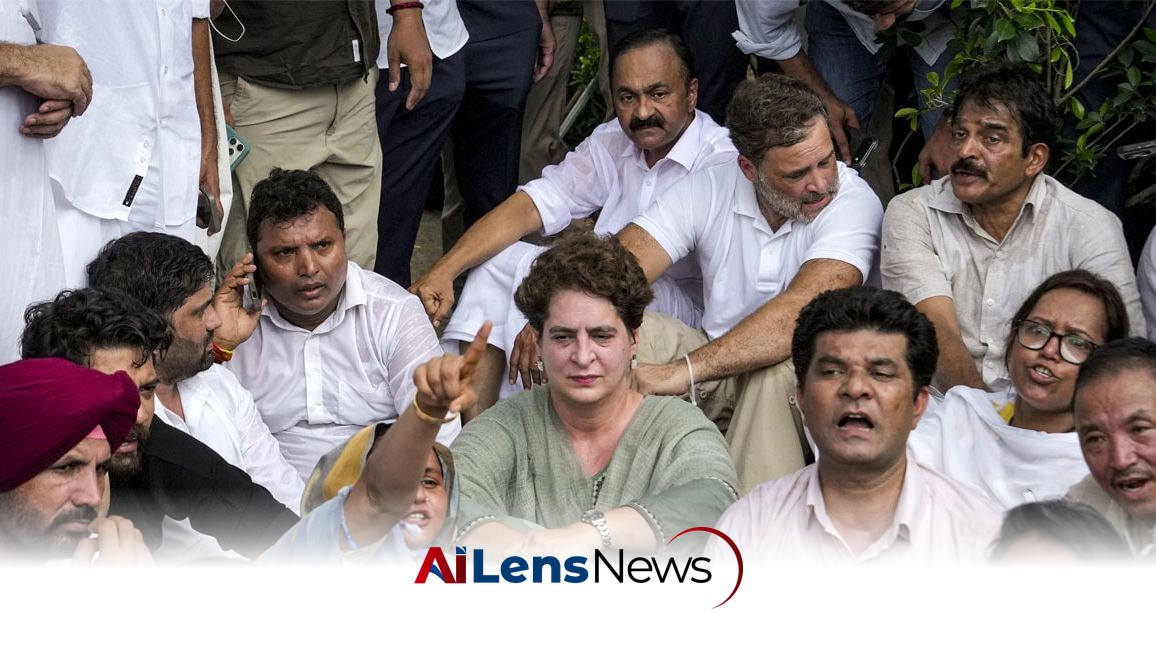


Chief Minister V D Satheesan condemns attacks on youth protesting NEET paper leak, emphasizing national unity during the opposition march to PM Modi's residence.
Doha, Qatar Jul 22, 2026 ALN: Chief Minister V D Satheesan's remarks regarding the recent protests in New Delhi underscore a growing sense of unrest and concern among various segments of Indian society, particularly the youth. His statement about "unusual incidents" occurring in the country reflects a broader sentiment that many citizens feel regarding the state of governance and public safety. As the youth are often viewed as the torchbearers of progress and change, any perceived threats to their safety or rights can lead to widespread agitation, as evidenced by the current situation surrounding the National Eligibility cum Entrance Test (NEET) paper leak.
The NEET examination is a crucial gateway for students wishing to pursue medical education in India. It is often regarded as one of the most competitive and important examinations in the country. The recent allegations of a paper leak have sent shockwaves through the academic community, raising questions about the integrity of the examination process and the future of countless students who have invested significant time and resources in preparing for this pivotal test. The demand for the resignation of Education Minister Dharmendra Pradhan reflects the level of frustration and disappointment felt by students and their families, who believe that the government has failed to ensure a fair and transparent examination process.
As the protests unfolded, thousands of students took to the streets of New Delhi, a city that has long been a focal point for political dissent and activism. The sheer number of participants in the protests indicates the depth of feeling surrounding the NEET issue and the broader concerns regarding educational policies in India. The students' call for accountability and justice resonates with many who feel that their futures are being jeopardized by systemic failures and corruption within the education sector.
In tandem with the student protests, Congress leaders organized a protest dharna outside Prime Minister Narendra Modi's Lok Kalyan Marg residence. This simultaneous demonstration highlights the intersection of student activism and political opposition, as Congress seeks to leverage the growing discontent among the youth to challenge the ruling government. The call for Prime Minister Modi's resignation due to police actions against protesting students further emphasizes the perceived heavy-handedness of law enforcement in dealing with dissent. In recent years, there have been numerous reports of police brutality and excessive force used against protesters, raising serious concerns about the state of civil liberties in India.
V D Satheesan's announcement of a protest march to the Prime Minister's residence, alongside prominent Congress leaders such as Mallikarjun Kharge, Rahul Gandhi, Priyanka Gandhi, and K C Venugopal, signifies a unified front among opposition parties in addressing the grievances of the youth. The participation of Karnataka Chief Minister D K Shivakumar and MPs from Kerala further illustrates the regional solidarity that can emerge in response to national issues, as leaders from various states come together to advocate for a common cause.
Satheesan's emphasis on unity during this time is particularly poignant, as it reflects a broader call for collective action in the face of perceived injustices. The notion that "the country must stand united" resonates deeply in a diverse nation like India, where regional, cultural, and political differences often come to the forefront. The current protests may serve as a catalyst for greater collaboration among opposition parties, potentially reshaping the political landscape in the lead-up to future elections.
The implications of these protests extend beyond the immediate demands for accountability regarding the NEET paper leak. They point to a growing disillusionment with the current administration and its handling of educational and social issues. As students mobilize and raise their voices, they are also highlighting the need for systemic reforms within the education sector, including transparency in examination processes, better support for students, and a commitment to upholding their rights.
Moreover, the protests serve as a reminder of the critical role that youth activism plays in shaping public discourse and influencing policy decisions. Historically, student movements have been at the forefront of significant social and political changes in India, from the anti-emergency protests of the 1970s to the more recent anti-Citizenship Amendment Act (CAA) demonstrations. The current wave of protests surrounding the NEET issue may similarly galvanize a new generation of activists who are willing to challenge the status quo and advocate for their rights.
As the situation continues to unfold, it will be crucial to monitor the government's response to the protests and the demands being made by students and opposition leaders. The way in which the administration chooses to engage with these issues could have far-reaching consequences for its legitimacy and public support. In a democratic society, the ability to protest and voice dissent is vital for holding those in power accountable, and the current protests may serve as a litmus test for the government's commitment to upholding democratic values and protecting the rights of its citizens.
The NEET examination, which has come under scrutiny due to the recent allegations, has a long history of being a highly competitive and often controversial entry point for aspiring medical students. It is essential to understand that any disruption in this process not only affects the students directly involved but also has implications for the larger educational landscape in India. The integrity of such examinations is paramount, as they are seen as a measure of merit and capability, and any doubts cast upon them can lead to widespread distrust in the educational system.
In addition to the immediate concerns surrounding the NEET paper leak, the protests also highlight deeper systemic issues within the Indian education system. Many students and educators have long criticized the lack of transparency and accountability in the administration of examinations, as well as the pressures placed on students to perform. The current protests may therefore serve as a rallying point for broader discussions about educational reform, including the need for more equitable access to quality education, improved infrastructure, and support systems for students.
Furthermore, the protests reflect a growing trend of youth engagement in political matters. With social media and digital platforms providing new avenues for organizing and mobilizing, young people are increasingly finding their voices and demanding change. This generation is more connected than ever, and their ability to communicate and share their experiences can amplify their demands for justice and accountability. As they leverage these tools, they are not only addressing the NEET issue but also broader societal concerns, including economic opportunities, social justice, and environmental sustainability.
In conclusion, the protests led by V D Satheesan and other opposition leaders in New Delhi highlight a significant moment in Indian politics, marked by youth activism, calls for accountability, and demands for systemic reform. As the situation develops, it will be essential to continue to engage with the voices of the youth and the broader implications of their activism, as they seek to shape the future of their nation. The outcome of these protests could very well influence not only the immediate educational policies but also the political dynamics in India as the country moves forward.
To learn more about the latest developments in Elections, stay updated with our exclusive reports and analyses on AiLensNews.

