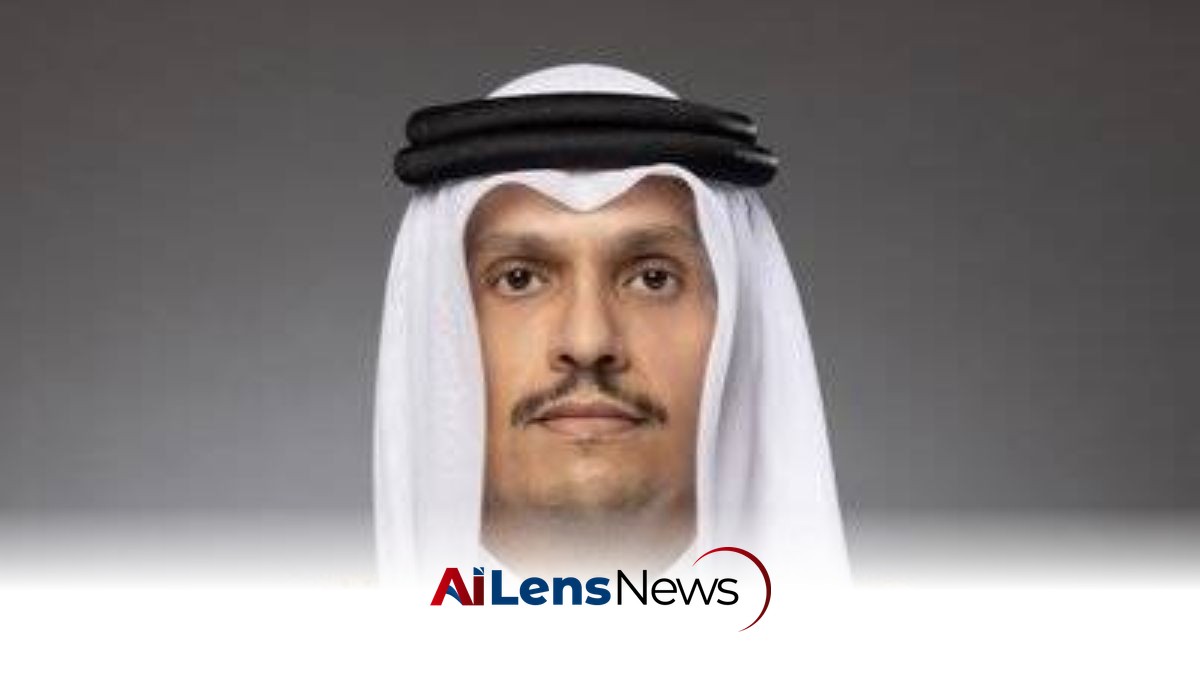


In discussions with Kuwait and Germany's foreign ministers, Qatar's Prime Minister emphasized the importance of dialogue and free navigation in the Strait of Hormuz.
Doha, Qatar Jul 30, 2026 ALN: In recent communications, His Excellency Prime Minister and Minister of Foreign Affairs Sheikh Mohammed bin Abdulrahman bin Jassim al-Thani engaged in discussions with the foreign ministers of Kuwait and Germany, focusing on the strengthening of bilateral ties amid ongoing regional tensions. These discussions, which took place via telephone on a Wednesday, reflect Qatar's proactive diplomatic approach in a region marked by geopolitical challenges and shifting alliances. The dialogue signifies not only Qatar's commitment to fostering good relations with its neighbors but also its strategic interests in maintaining stability in a volatile region.
The call with Kuwaiti Foreign Minister Sheikh Jarrah Jaber al-Ahmad al-Sabah was particularly significant, as it involved a review of ongoing diplomatic efforts aimed at reducing tensions in the Gulf region. The Gulf Cooperation Council (GCC), of which both Qatar and Kuwait are members, has historically been a platform for dialogue and cooperation among its member states. However, recent years have seen strains within the GCC, particularly following the blockade of Qatar by several neighboring countries in 2017. This blockade, which was led by Saudi Arabia, the United Arab Emirates, Bahrain, and Egypt, aimed to isolate Qatar politically and economically, citing its alleged support for terrorism and close ties with Iran as justifications. Despite these challenges, the current discussions signify a renewed commitment to collaboration and regional stability.
During the conversation, Sheikh Mohammed emphasized the necessity for all involved parties to engage in dialogue and diplomacy. This emphasis aligns with Qatar's broader foreign policy strategy, which has often prioritized mediation and peaceful resolution of conflicts. The Prime Minister specifically referenced the importance of implementing the memorandum of understanding between the United States and Iran, which includes provisions aimed at ensuring freedom of navigation through the strategically vital Strait of Hormuz. This memorandum reflects an international consensus on the need for stability in a region that is crucial for global energy supplies.
The Strait of Hormuz is a narrow passage that connects the Persian Gulf to the Gulf of Oman and the Arabian Sea, and it is one of the world's most critical maritime chokepoints. Approximately 20% of the world's oil supply passes through this strait, making it a focal point of international energy security. Any disruption to navigation in this area could have severe implications not only for regional stability but also for global markets and energy prices. The strategic importance of the Strait of Hormuz cannot be overstated; it is a vital artery for the transportation of oil, liquefied natural gas, and other goods. Therefore, Sheikh Mohammed's call for safeguarding freedom of navigation is a recognition of the strait's importance to both regional and international stakeholders, underscoring Qatar's role as a mediator in these discussions.
In his discussions, the Prime Minister also expressed Qatar's commitment to supporting efforts aimed at easing tensions in the region. This includes advocating for a comprehensive agreement that would foster lasting peace. Such an agreement would likely require addressing a range of complex issues, including Iran's nuclear program, its influence in neighboring countries, and the broader security architecture of the Gulf region. The nuclear issue remains particularly contentious; Iran's nuclear ambitions have raised alarms among its neighbors and Western powers alike, leading to a series of negotiations and agreements aimed at curtailing its capabilities. Qatar's involvement in these discussions highlights its desire to play a constructive role in shaping a stable future for the region.
The conversation with German Foreign Minister Johann Wadephul further underscored Qatar's diplomatic outreach. Germany, as a key European player in Middle Eastern affairs, has been involved in various diplomatic initiatives aimed at promoting stability in the region. The discussions between Sheikh Mohammed and Wadephul included exploring avenues for enhancing cooperation between Qatar and Germany across multiple sectors, including trade, security, and cultural exchanges. This partnership is vital, as Germany has historically been an advocate for diplomatic solutions in the Middle East, particularly regarding Iran's nuclear program and the ongoing conflict in Syria.
Germany's role in the region is particularly relevant given its involvement in the Joint Comprehensive Plan of Action (JCPOA), the agreement aimed at curbing Iran's nuclear ambitions. The JCPOA has faced significant challenges, especially following the United States' withdrawal from the agreement in 2018, which led to increased tensions between Iran and the West. Germany, alongside other signatories, has sought to keep diplomatic channels open with Iran while addressing concerns over its nuclear program and regional activities. Qatar's discussions with Germany reflect its understanding of the importance of multilateral diplomacy in addressing these complex issues, as well as its commitment to fostering relationships with key global players.
In light of these discussions, the implications of Qatar's diplomatic efforts are significant. The Gulf region has been a hotspot for geopolitical tensions, particularly involving Iran and its neighboring states. Qatar's unique position, as a nation that has maintained relations with both Western powers and Iran, allows it to act as a mediator in the ongoing conflicts and disputes. By advocating for dialogue and the implementation of international agreements, Qatar is positioning itself as a critical player in the quest for regional stability. This role is particularly important given the shifting dynamics in the region, where traditional alliances are being tested, and new partnerships are emerging.
Moreover, the emphasis on freedom of navigation in the Strait of Hormuz highlights the interconnectedness of regional security and global economic stability. As nations around the world rely heavily on oil imports, the security of maritime routes becomes a priority for many governments. Qatar's proactive stance in this dialogue not only aims to protect its national interests but also contributes to broader international efforts to ensure safe passage for maritime trade. The potential for conflict in this area could have ripple effects throughout the global economy, affecting everything from energy prices to international relations.
As the discussions continue, the focus on collaborative efforts among GCC members, as well as with external partners like Germany, may pave the way for a more unified approach to addressing the challenges facing the region. The ongoing conversations reflect a recognition of the need for cooperative security measures and the importance of multilateral diplomacy in resolving conflicts. This collaborative approach may also serve to strengthen the GCC as an institution, reinforcing its role as a platform for dialogue and cooperation in the face of external pressures.
In conclusion, the recent telephone calls between Qatar's Prime Minister and the foreign ministers of Kuwait and Germany demonstrate a concerted effort to engage in dialogue and diplomatic coordination in a time of heightened tensions. Qatar's advocacy for freedom of navigation in the Strait of Hormuz and its commitment to supporting regional stability and peace initiatives are essential components of its foreign policy strategy. As the situation evolves, the outcomes of these diplomatic efforts will be closely watched, not only for their impact on the Gulf region but also for their implications on global energy security and international relations. The ability of Qatar to navigate these complex diplomatic waters will be crucial in determining its role in shaping the future of the Middle East.
To learn more about the latest developments in Elections, stay updated with our exclusive reports and analyses on AiLensNews.

