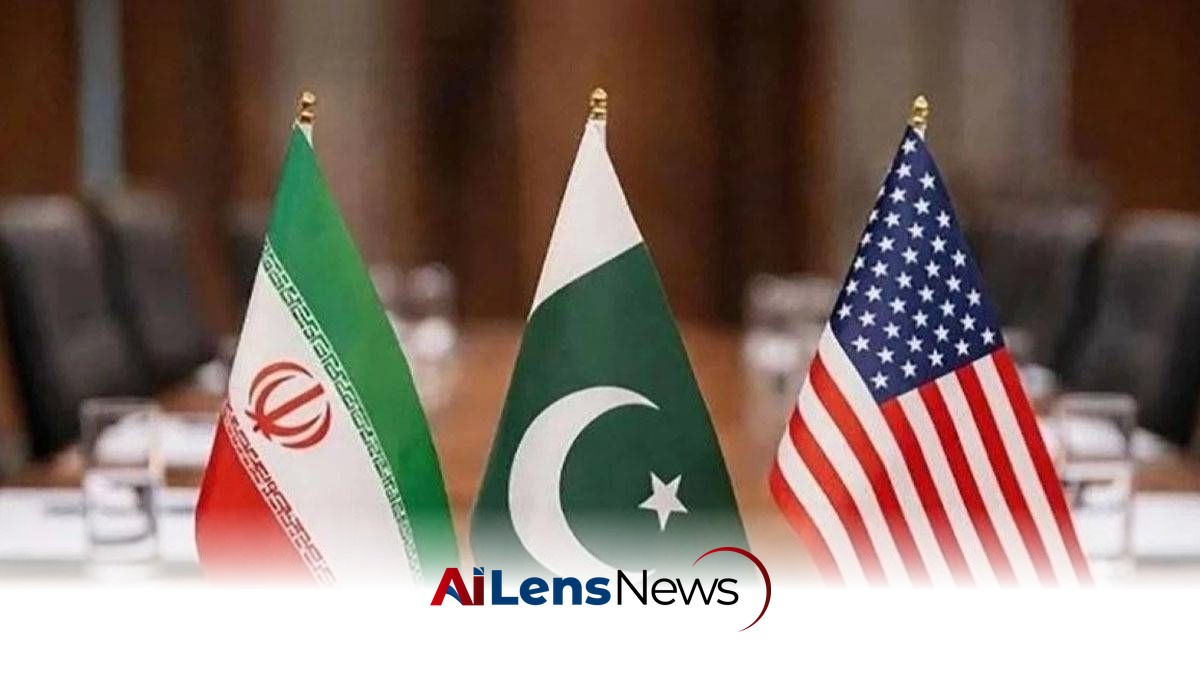


Pakistan is advocating for the United States and Iran to halt violence and re-engage in discussions following a recent memorandum of understanding.
Doha, Qatar Jul 16, 2026 ALN: Pakistan's diplomatic intervention in the escalating tensions between the United States and Iran highlights the complex geopolitical landscape of the Middle East, particularly concerning the strategic Strait of Hormuz. This narrow waterway, through which approximately 20% of the world's oil supply passes, has long been a flashpoint for conflict due to its critical importance to global energy markets. The Strait of Hormuz serves as a crucial maritime corridor for oil tankers from the Persian Gulf, making it not only vital for regional economies but also for the global economy, as a significant portion of oil traded internationally flows through this route.
The recent remarks from Tahir Andrabi, the spokesman for Pakistan's foreign office, reflect Islamabad's commitment to mediating peace in a region fraught with historical animosities and strategic rivalries. The memorandum of understanding (MoU), which Pakistan helped facilitate last month, represents an attempt to create a framework for dialogue between the two nations. This initiative is particularly noteworthy given Pakistan's unique position as a country that maintains relationships with both the U.S. and Iran, which may enhance its credibility as a mediator. However, the ongoing violence and retaliatory actions suggest that significant hurdles remain in achieving a lasting peace.
The backdrop of these tensions is rooted in a long-standing adversarial relationship between the U.S. and Iran, particularly since the 1979 Iranian Revolution, which saw the overthrow of the U.S.-backed Shah and the establishment of an Islamic Republic. The U.S. has since imposed various sanctions on Iran, aimed at curtailing its nuclear program and curbing its influence in the region. In turn, Iran has responded with hostility, leading to a series of confrontations that have often spilled over into military engagements. This historical context is essential for understanding the current dynamics, as the legacy of mistrust continues to shape interactions between the two nations.
In recent days, the U.S. has conducted strikes against Iranian targets, which have prompted Iranian forces to launch retaliatory attacks against U.S. interests in the Gulf. This cycle of violence not only exacerbates regional instability but also poses a direct threat to maritime security in the Strait of Hormuz. The implications of such hostilities extend beyond the immediate region, as disruptions in oil supply can lead to increased global oil prices, inflationary pressures, and economic instability in countries that rely heavily on oil imports. Analysts warn that even a temporary closure of the Strait could lead to a spike in oil prices, impacting economies around the world, especially those heavily dependent on oil imports.
Pakistan's call for normalization of the situation highlights the broader economic ramifications of the conflict. As Andrabi pointed out, the current situation has significant implications for global energy supplies and other economic commodities, including food security and trade. The interconnectedness of global markets means that conflicts in one region can have ripple effects worldwide, leading to increased costs for consumers and businesses alike. For instance, rising energy costs can lead to higher transportation expenses, which in turn can drive up the prices of goods and services, affecting everyday consumers in countries far removed from the conflict.
The importance of the Strait of Hormuz cannot be overstated; it is a vital conduit for oil tankers and other vessels. Any disruption in this key shipping route can lead to significant increases in shipping costs and insurance premiums, which, in turn, can contribute to higher prices for consumers. Additionally, nations far removed from the conflict may find themselves grappling with inflationary pressures as they contend with rising energy costs. For example, countries in Europe and Asia might face economic challenges if oil prices surge due to instability in the Gulf region, leading to a potential economic downturn in those areas.
Moreover, the geopolitical implications of the U.S.-Iran tensions extend to other regional players, including Saudi Arabia, Israel, and various militia groups aligned with Iran. The potential for a broader conflict looms large, as these actors may be drawn into the fray, further complicating diplomatic efforts and increasing the stakes for all involved. Saudi Arabia, with its rivalry with Iran, and Israel, which perceives Iran as a direct threat, may take more aggressive stances, potentially leading to a wider regional conflict. Pakistan's role as a mediator may be critical in attempting to de-escalate tensions and foster dialogue, but its effectiveness will depend on the willingness of both the U.S. and Iran to engage in good faith negotiations.
As the situation develops, the international community will be closely monitoring the actions of both the U.S. and Iran. The potential for military escalation remains a concern, especially given the strategic importance of the region. The consequences of a miscalculation could be dire, not only for the countries directly involved but also for global stability and security. The international community, including organizations like the United Nations, has a vested interest in maintaining peace in the region, as any escalation could lead to a humanitarian crisis, further complicating efforts to resolve existing conflicts in places like Syria and Yemen.
In conclusion, Pakistan's encouragement for the U.S. and Iran to resume peace talks under the MoU it helped mediate reflects a broader recognition of the urgent need for dialogue in a time of rising tensions. The implications of the ongoing conflict are far-reaching, affecting global energy supplies, economic stability, and regional security. As stakeholders navigate this complex situation, the importance of diplomacy and dialogue cannot be overstated, particularly in a region where the stakes are high and the potential for conflict remains ever-present. The success of diplomatic initiatives will depend on the commitment of all parties to prioritize dialogue over military action, recognizing that the costs of conflict extend far beyond their borders.
To learn more about the latest developments in Elections, stay updated with our exclusive reports and analyses on AiLensNews.

