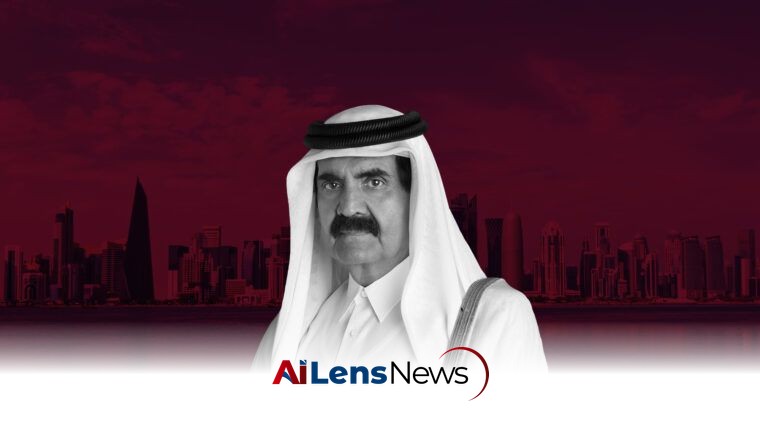


H.H. Sheikh Hamad bin Khalifa Al Thani's leadership reshaped Qatar, propelling it into a new era of prosperity and global influence.
Doha, Qatar Jul 13, 2026 ALN: H.H. Sheikh Hamad bin Khalifa Al Thani, known as the Father Amir, is a pivotal figure in the history of Qatar. His reign from 1995 to 2013 marked a transformative period for the nation, steering it towards unprecedented economic growth and international prominence. Sheikh Hamad's leadership not only reshaped Qatar's domestic landscape but also established its presence on the global stage, making it a key player in various international arenas.
Born on January 1, 1952, Sheikh Hamad was the second son of Sheikh Khalifa bin Hamad Al Thani, the ruler of Qatar prior to him. Growing up in a politically active family, Sheikh Hamad was exposed to the complexities of governance and leadership from an early age. He received his education in Qatar and later in the United Kingdom, where he developed a keen interest in modern governance and international relations. This educational background would later inform his policies and approach to leadership.
In 1995, Sheikh Hamad ascended to the throne after a peaceful coup against his father. This transition of power was notable for its lack of violence, reflecting a unique aspect of Qatari politics. Sheikh Hamad's ascent initiated a new chapter in Qatar's history, characterized by a commitment to modernization and reform across various sectors.
Under Sheikh Hamad's leadership, Qatar experienced a remarkable economic transformation. The discovery of vast natural gas reserves in the North Field positioned the country as a leading global energy supplier. Recognizing the potential of these resources, Sheikh Hamad implemented policies aimed at maximizing their benefits while also diversifying the economy beyond oil and gas. This foresight was crucial in ensuring Qatar's long-term economic stability.
Sheikh Hamad's vision extended beyond economic growth; he aimed to elevate Qatar's status on the global stage. His diplomatic efforts included a range of strategies designed to enhance Qatar's influence and foster international relationships.
In addition to economic and diplomatic advancements, Sheikh Hamad championed social reforms aimed at improving the lives of Qatari citizens. His initiatives were designed to modernize the social fabric of the nation while respecting its cultural heritage.
Sheikh Hamad's legacy is evident in Qatar's rapid transformation into a modern state with a robust economy and a vibrant cultural scene. His leadership style, characterized by pragmatism and vision, set the foundation for future generations. Following his abdication in 2013, Sheikh Hamad's influence continues to shape Qatar's policies and international relations, particularly through his son, Sheikh Tamim bin Hamad Al Thani, who succeeded him as the Emir of Qatar.
The policies and reforms initiated during Sheikh Hamad's reign have had lasting impacts, positioning Qatar as a key player in global affairs. The country's economic diversification efforts, coupled with its strategic investments in education, healthcare, and infrastructure, have created a resilient economy that can withstand fluctuations in global energy markets.
In conclusion, H.H. Sheikh Hamad bin Khalifa Al Thani's reign was marked by significant achievements that propelled Qatar into the global spotlight. His commitment to development, diplomacy, and social progress has left an indelible mark on the nation, ensuring that his legacy will endure for years to come. As Qatar continues to navigate the complexities of the modern world, the foundations laid by Sheikh Hamad will undoubtedly influence the nation's trajectory and its role in the global community.
To learn more about the latest developments in Leaders & Politicians, stay updated with our exclusive reports and analyses on AiLensNews.

