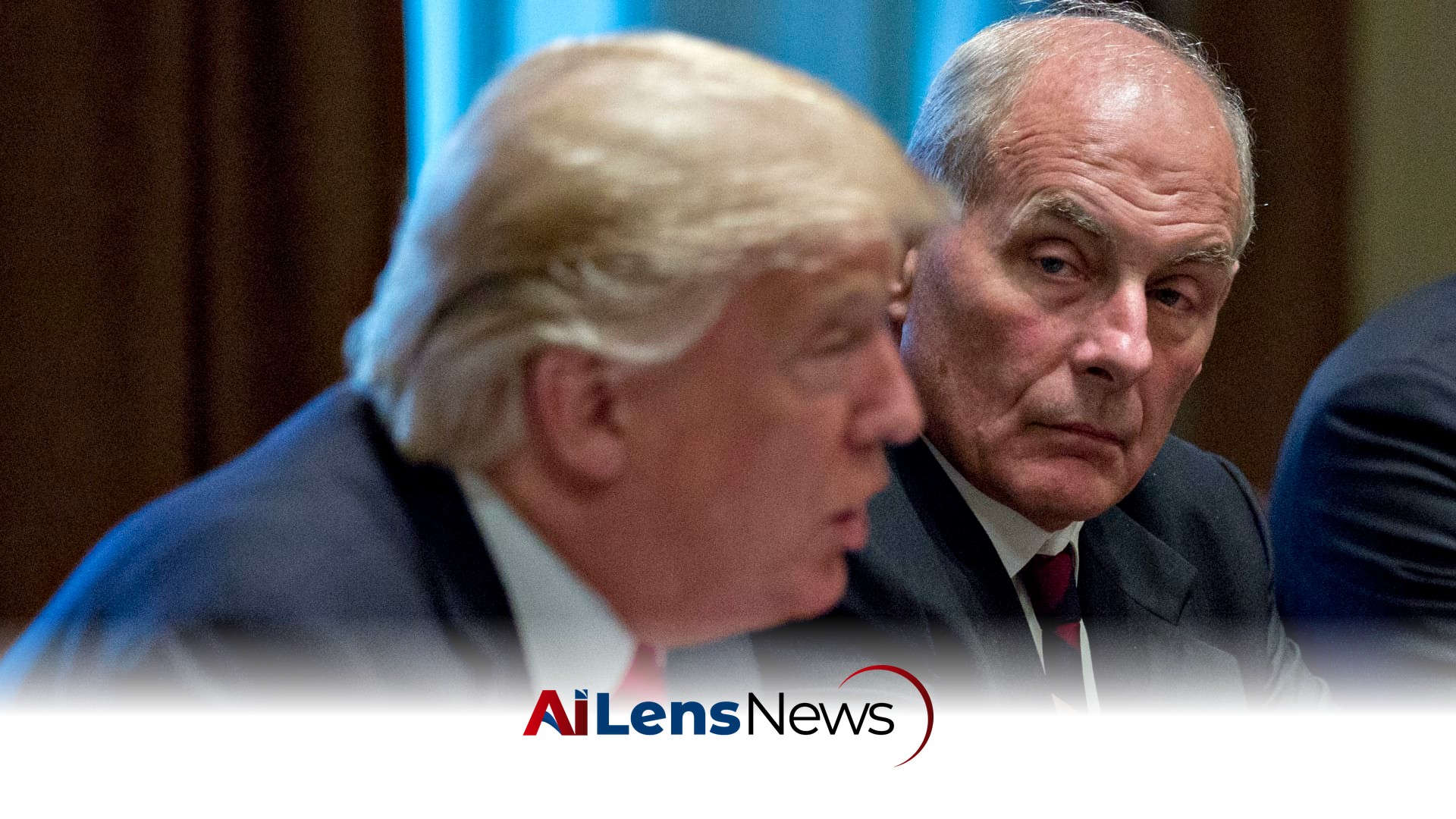


Thirteen former officials from the Trump administration have publicly backed John Kelly's recent comments labeling Trump as a fascist.
Washington DC, United States Oct 25, 2024 ALN: In a significant political development, thirteen former officials from the Trump administration have come forward to support John Kelly's recent remarks regarding Donald Trump. Kelly, who served as the White House Chief of Staff from July 2017 to January 2019, shared his views in an interview with the New York Times, where he described Trump as meeting the definition of a fascist. This assertion has ignited a firestorm of debate in political circles, raising critical questions about the current state of American politics and the future of the Republican Party.
Kelly's comments have sparked considerable debate, particularly his assertion that he observed Trump praising Adolf Hitler on multiple occasions. This statement has raised eyebrows and prompted discussions about the implications of such rhetoric in the current political climate. The weight of such an accusation cannot be understated, as it draws a direct parallel between Trump’s behavior and one of history’s most notorious figures, which many argue could further polarize an already divided electorate.
The open letter signed by the former officials emphasizes their agreement with Kelly's assessment of Trump. Among those who signed the letter are former cabinet members and senior advisors, individuals who once worked closely with Trump and who now express deep concern over his actions and rhetoric. They argue that Trump's behavior and rhetoric align with authoritarian tendencies, which they believe pose a threat to democratic values. This collective voice from former officials, many of whom are regarded as seasoned political operatives, signifies a notable shift in sentiment among individuals who once served in high-ranking positions within the administration.
The letter details specific concerns about Trump's disregard for democratic norms, his attacks on the media, and his tendency to undermine institutions that are foundational to American democracy. By framing their critiques within the context of preserving democratic integrity, these former officials aim to highlight the potential dangers of Trump's continued influence within the Republican Party and the broader political landscape.
Kelly's remarks are not isolated; they come amid a broader discourse about Trump's influence on the Republican Party and American politics. Following his presidency, Trump has maintained a significant following among Republican voters, and many party leaders have struggled to distance themselves from his controversial legacy. Critics have expressed concern over Trump's approach to governance and his handling of dissent, particularly his rhetoric surrounding the 2020 election results and the subsequent events of January 6, 2021. The Capitol riot, which was incited by Trump’s false claims of election fraud, has left an indelible mark on the political landscape, leading to heightened scrutiny of Trump's actions and their implications for democracy.
Within this context, Kelly's comments resonate with a faction of the Republican Party that is increasingly alarmed by Trump's authoritarian tendencies. This faction, often referred to as traditional conservatives or establishment Republicans, has been vocal about their desire to reclaim the party from what they perceive as the far-right influence that Trump embodies. The internal struggle within the party reflects a broader ideological battle over the direction of conservatism in the United States.
The letter has elicited mixed reactions from various political factions. Supporters of Trump have dismissed the claims as politically motivated, framing the former officials as disillusioned individuals seeking relevance in a post-Trump world. They argue that the criticisms stem from a misunderstanding of Trump's appeal to the average voter and a failure to recognize the accomplishments of his administration. In contrast, critics of Trump view the endorsement from former officials as a crucial warning about the direction of the party and the potential erosion of democratic values.
Political analysts have noted that the divide between Trump loyalists and traditional conservatives is becoming increasingly pronounced. Some party members have expressed concern that the continued loyalty to Trump could alienate moderate voters and hinder the party’s ability to compete in future elections. As the Republican Party prepares for upcoming electoral contests, the implications of this internal conflict could significantly shape its platform and candidate selection process.
This public backing of Kelly's comments could have significant implications for the Republican Party as it navigates its identity in the post-Trump era. The divide between traditional conservatives and Trump loyalists continues to widen, raising questions about the party's future. Many analysts suggest that the party may need to undergo a fundamental re-evaluation of its principles and priorities if it hopes to regain the trust of a broader electorate.
As the political landscape evolves, the discourse surrounding Trump's leadership and its ramifications will likely remain a focal point of national conversation. The implications of Kelly's statements and the support from former officials could reverberate throughout the party, influencing the strategies of candidates seeking office in the coming years. Additionally, the ongoing debate about Trump's legacy may shape the platforms of both major political parties, as they grapple with the challenges of addressing populism, nationalism, and the role of authoritarianism in contemporary politics.
In conclusion, the endorsement of John Kelly's critique by thirteen former Trump officials marks a pivotal moment in the ongoing discussion about the future of the Republican Party and its relationship with Donald Trump. As the party grapples with its identity and the ideological rifts that have emerged, the voices of those who have served at the highest levels of government may serve as a crucial bellwether for the direction of American politics in the years to come. The implications of these developments will likely extend beyond party lines, influencing the broader national dialogue about democracy, governance, and the responsibilities of political leaders in safeguarding democratic institutions.
To learn more about the latest developments in Political Controversies, stay updated with our exclusive reports and analyses on AiLensNews.

