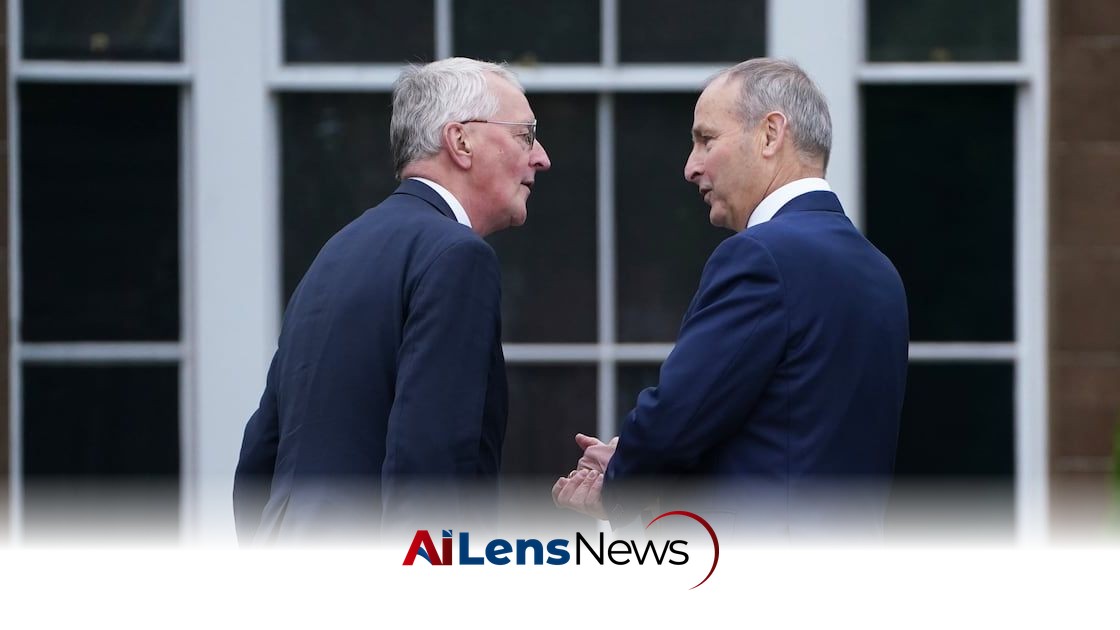


The Stormont Assembly's closure highlights ongoing failures in governance, impacting the lives of citizens across Northern Ireland, while both London and Dublin remain passive.
London, United Kingdom Jul 12, 2026 ALN: The Stormont Assembly has officially shut down for the 2025-6 session, marking another chapter in a long history of political stagnation in Northern Ireland. The signs of this closure are subtle, almost imperceptible to the average citizen. The lack of activity at Stormont mirrors the inactivity that has persisted since last September, creating a sense of continuity in dysfunction rather than a clear demarcation of a legislative session.
The devolution process in Northern Ireland has been marred by a series of failures that extend beyond mere political disagreements. It has become increasingly evident that the current system is not only ineffective but is actively worsening the lives of many residents. While some individuals, particularly those in stable professions or on state salaries, may enjoy a higher quality of life compared to their counterparts in Britain due to lower housing costs and access to certain public services, the realities for many others tell a different story. For residents in poorer districts of greater Belfast and Derry, where a significant portion of the population resides, the situation is dire. These areas, predominantly nationalist, face systemic issues that have been exacerbated by the stagnation at Stormont.
Economic disparities in Northern Ireland are stark. Those with government jobs or in professional sectors often find themselves with more disposable income than similar individuals in other parts of the UK. This financial advantage is attributed to lower housing costs and the ability to afford private medical care, as well as access to selective education through grammar schools. However, this is not the case for the majority of residents living in deprived areas. In these communities, high unemployment rates, lack of investment, and inadequate public services contribute to a cycle of poverty that is difficult to escape.
The closure of the Assembly signifies a failure not just of political will but of the entire executive framework that governs Northern Ireland. The Executive, which is responsible for decision-making, is effectively frozen, leading to a standstill in legislative processes. The absence of a functioning government means that pressing issues, such as the housing crisis, cannot be addressed effectively.
The housing crisis in Northern Ireland is a significant concern, with an ever-growing waiting list for social housing. One of the key reasons for this escalation is the inability of infrastructure ministers to tackle the ongoing issues related to water supply and drainage. Without adequate drainage systems, new housing developments cannot proceed, resulting in a backlog that continues to grow. The lack of action on this front has left many families in precarious living situations, often leading to overcrowding and homelessness.
Healthcare in Northern Ireland presents another critical challenge. The National Health Service (NHS) is increasingly viewed as inadequate, with many individuals opting for private healthcare due to long waiting times for public services. This trend has led to the proliferation of private hospitals across the region, further entrenching inequalities in access to healthcare. Those who cannot afford private care face lengthy waits, which can result in dire health outcomes. Tragically, there are reports of individuals dying while waiting for necessary medical treatments. Despite the knowledge of effective solutions to these healthcare issues, the Executive's inability to implement change remains a significant barrier to progress.
The education system in Northern Ireland is another area of concern, particularly for those who do not pass the 11-plus examination. Many students leave the education system without any qualifications, which limits their future opportunities and exacerbates social inequalities. Critics argue that the current education system, often touted as 'world class,' fails to serve the majority of students effectively. The accountability of the system has come under scrutiny, particularly regarding the role of the Democratic Unionist Party (DUP) in shaping educational policy.
Accountability remains a significant issue within the Stormont government. The Northern Ireland auditor general, Dorinnia Carville, has repeatedly highlighted failures across various departments. In the 2023-4 fiscal year, she was unable to provide an opinion on the accuracy of the accounts for the Department for Economy, indicating a severe lack of transparency and accountability in financial management. This trend continued into the following year, with her discrediting the accounts for the second consecutive year, raising serious questions about the stewardship of public funds totaling over £1 billion.
In her recent reports, Carville has pointed out missed opportunities for improvement, particularly within the Northern Ireland Education Authority (EA). The lack of progress on previously identified issues reflects a systemic failure to address the needs of students and taxpayers alike. The repeated warnings and recommendations from the auditor general seem to fall on deaf ears, as there has been little to no action taken to rectify the highlighted problems.
The political landscape in Northern Ireland is characterized by a persistent stalemate, with no signs of resolution in sight. As the Assembly prepares for elections next May, the current political tensions are likely to escalate rather than diminish. The acrimony that often accompanies electoral cycles may further complicate the already fraught relationships among political parties.
Looking beyond the elections, the prospects for change appear bleak. Devolution has failed to deliver on its promises, and the lack of effective governance continues to undermine public confidence in the political system. The Irish government, under the leadership of Micheál Martin, has historically been vocal about the issues facing Northern Ireland. However, recent actions suggest a retreat from this engagement. Nationalists, who are disproportionately affected by the ongoing crises, feel abandoned as the Irish government appears to prioritize its own political survival over the welfare of Northern Irish citizens.
Martin's 'Shared Island' initiative, which has been framed as a means to foster cooperation between the North and South, has been criticized as a superficial approach that fails to address the underlying governance issues. The reluctance to promote a 'Shared Ireland' narrative highlights a hesitance to confront the realities of partition and its implications for the future of the island. His rejection of Sinn Féin's proposal for a Green Paper on Irish reunification has further fueled discontent among those advocating for change.
While the Irish government may be focused on improving relations with Britain, the residents of Northern Ireland are left to navigate a deteriorating situation with little support or intervention from either London or Dublin. The political dynamics at play suggest that the interests of political parties often take precedence over the urgent needs of the population.
In conclusion, the situation in Northern Ireland remains precarious, with the shutdown of the Stormont Assembly serving as a stark reminder of the ongoing challenges faced by its citizens. The interplay of economic disparities, healthcare inadequacies, education failures, and a lack of accountability paints a grim picture of governance in the region. As political leaders continue to grapple with their own agendas, the voices of those most affected by these failures are often drowned out, leaving many to question the future of devolution and the potential for meaningful change.
To learn more about the latest developments in Government & Governance, stay updated with our exclusive reports and analyses on AiLensNews.

