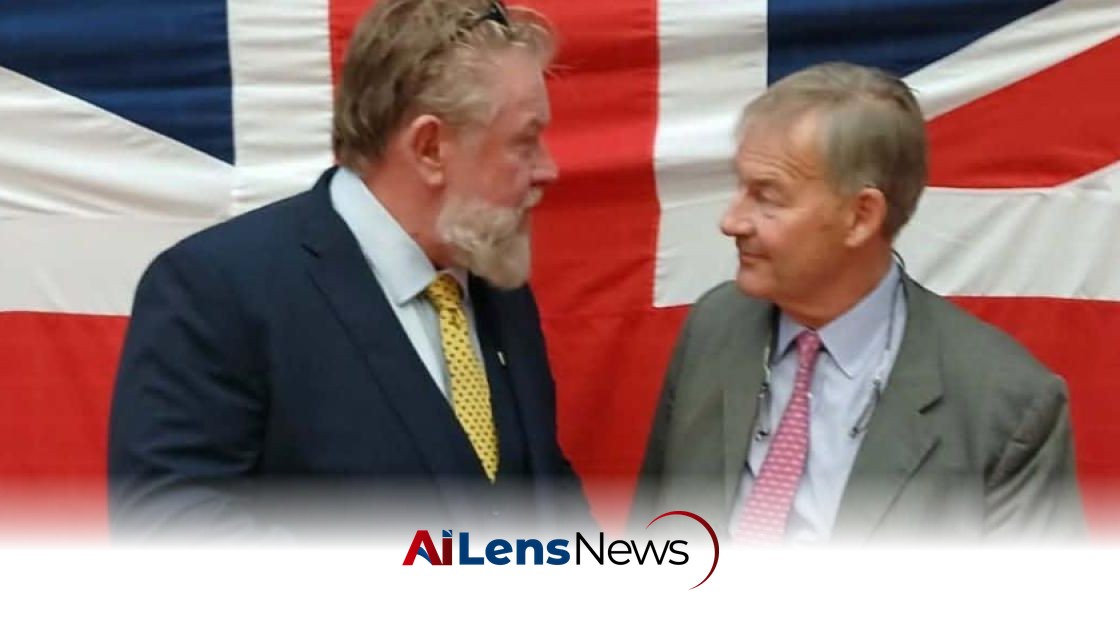


The sole Restore Britain councillor in Scotland, Tommy Macpherson, addresses Rupert Lowe's controversial remarks about the Dunblane Massacre, emphasizing the tragedy's impact.
London, United Kingdom Jul 12, 2026 ALN: RESTORE Britain's only councillor in Scotland has responded to Rupert Lowe’s widely condemned comments about the Dunblane Massacre, a tragic event that remains etched in the memory of the nation. The Dunblane Massacre is not just a historical footnote; it is a heart-wrenching chapter in the collective consciousness of the UK, particularly in Scotland, where the incident unfolded.
The Dunblane Massacre occurred on March 13, 1996, when a gunman, Thomas Hamilton, entered Dunblane Primary School armed with several handguns. In a shocking act of violence, he killed 16 children aged five and six years old, along with their teacher, before turning the gun on himself. This incident not only devastated the local community but also had far-reaching implications for gun control laws across the United Kingdom. The horror of that day left an indelible mark on the community of Dunblane, which has had to carry the weight of this tragedy for decades.
In the wake of this tragedy, the UK government implemented stringent gun control measures, leading to a near-total ban on handguns. This legislative change was seen as a necessary response to prevent similar incidents from occurring in the future. The Dunblane Massacre is often cited as a pivotal moment in the history of gun legislation in the UK, highlighting the need for stricter control and regulation of firearms. The immediate aftermath saw an outpouring of grief and a national conversation about the safety of children and the accessibility of firearms, which ultimately shaped public policy in significant ways.
Recently, Rupert Lowe, a former MP for Reform UK and now the leader of Restore Britain, sparked outrage with comments made during an appearance on the Joe Rogan Experience, a popular podcast known for its wide-ranging discussions. Lowe stated that handguns in the UK were banned “because there was a murder up in Dunblane.” When Rogan questioned him about the number of murders, Lowe replied: “One murder.” This remark trivializes a tragedy that involved the loss of young lives and has been a source of ongoing pain for many families.
This remark was met with immediate backlash from various quarters, including families of the victims, who expressed their dismay at the trivialization of such a horrific event. The families have long sought to keep the memory of their loved ones alive, and comments that reduce the tragedy to a mere statistic are deeply hurtful. The emotional ramifications of Lowe’s comments extend beyond the immediate families; they resonate throughout the Dunblane community, which has spent years healing from the trauma.
Clackmannanshire and Dunblane SNP MSP Keith Brown condemned Lowe’s comments, stating: “Rupert Lowe is a stain on our politics and his comments are beyond despicable.” His remarks reflect a broader sentiment among politicians and the public, who believe that discussions surrounding sensitive topics such as mass shootings should be approached with the utmost respect and care. The political response highlights a societal consensus that minimizes the risk of repeating past mistakes by fostering a culture of sensitivity and understanding.
Labour MP Chris Kane also expressed his outrage, raising a point of order in the House of Commons. He highlighted that Lowe’s comments had “caused profound offence to the community” in his Stirling and Strathallan constituency, which includes Dunblane. This incident underscores the importance of accountability for public figures, particularly when their statements can have significant emotional impacts on communities still grieving from past tragedies. Kane’s intervention in Parliament serves as a reminder that political discourse is not merely about policies but also about the human stories behind those policies.
Despite the backlash, Lowe has not directly addressed the criticism but instead, a spokesperson for his party claimed that he was “clearly referring to one incident.” This response has not quelled the anger directed at Lowe, as many feel that it fails to acknowledge the broader implications of the Dunblane Massacre and the suffering it caused. The lack of a sincere apology or acknowledgment can exacerbate feelings of hurt and neglect among those affected by the tragedy.
In light of these events, Kintyre councillor Tommy Macpherson, who recently defected to Restore Britain but serves as an independent, has spoken out. He emphasized the profound impact of the Dunblane tragedy, stating: “I haven't spoken to Rupert Lowe about that exchange, so I'm not going to speculate on what he intended.” This statement reflects a cautious approach, recognizing the sensitivity surrounding discussions of the massacre while also affirming its significance.
Macpherson continued, “What I will say is that the Dunblane massacre was a horrific tragedy in which 16 children and their teacher lost their lives. Eighteen other people, including children and staff, were physically injured, and the impact of that day continues to be felt by the families affected and the wider Dunblane community.” His comments reflect a deep understanding of the emotional and psychological scars that such a tragedy leaves behind. The Dunblane community, as well as the families of the victims, have had to navigate their grief in the public eye, often facing insensitive remarks and a lack of understanding from those who have not experienced similar loss.
Macpherson further stated, “It remains one of the darkest days in Scotland in living memory. No parent should ever have to endure the loss of a child in such unimaginable circumstances, and my thoughts remain with everyone whose lives were changed forever by that day.” His words resonate with the collective mourning that still exists in Dunblane and serve as a reminder of the need for compassion in discussions surrounding such sensitive topics. The emotional toll of the massacre extends beyond the immediate aftermath, affecting generations and shaping community dynamics.
He also mentioned that he watched the broader interview with Joe Rogan, which covered a variety of issues beyond the controversial comments on Dunblane. This indicates that while the focus is currently on Lowe's remarks, there are larger discussions at play regarding gun control, public safety, and the responsibilities of public figures in shaping discourse around these issues. The intersection of media, politics, and social issues is crucial in shaping public perception and policy, as seen in the aftermath of Dunblane.
Macpherson concluded by stating, “The remarks relating to Dunblane are a matter for Rupert Lowe to address directly. My focus remains on representing the people of South Kintyre, wider Argyll and Bute, and the issues that matter to my constituents.” This highlights the importance of local representation and the need for elected officials to prioritize the concerns of their communities, particularly in the wake of tragedies that have had lasting effects on their lives. The role of a councillor is not merely to legislate but to connect with and support the community they serve.
The fallout from Lowe's comments serves as a stark reminder of the responsibility that comes with public discourse, especially regarding sensitive historical events. As society continues to grapple with the implications of gun violence and the need for reform, it is essential that conversations remain respectful and informed, honoring the memories of those lost and the communities forever changed by acts of violence. The ongoing dialogue surrounding gun control, mental health, and community safety is critical in ensuring that the lessons learned from Dunblane are not forgotten, and that future generations are protected from similar tragedies.
To learn more about the latest developments in Political Controversies, stay updated with our exclusive reports and analyses on AiLensNews.

