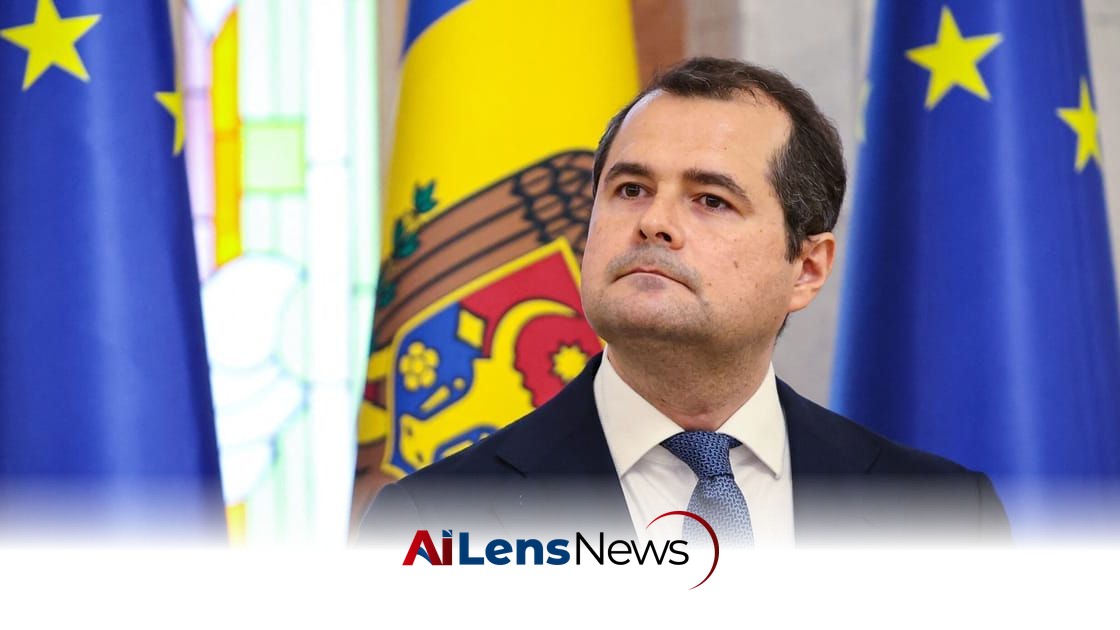


President Maia Sandu has appointed Vasile Tofan to lead Moldova following the resignation of Alexandru Munteanu amid scandals.
London, United Kingdom Jul 11, 2026 ALN: Businessman Vasile Tofan was nominated to be Moldova’s new prime minister on Saturday after the previous one, Alexandru Munteanu, stepped down earlier this month amid a series of scandals. This political development comes at a crucial time for Moldova, a country that has faced significant challenges in governance, economic stability, and its aspirations for European integration.
Moldovan President Maia Sandu announced the designation of Tofan during a press conference following a consultation with different parties in the government. Sandu, who has been an advocate for reform and alignment with European standards, emphasized the importance of unity and stability in the government during her announcement. Her support for Tofan indicates a continued commitment to pursuing the country’s European aspirations.
Tofan, who has a background in business, stated that his priorities included relaunching the economy as well as leading Moldova “into the European Union as soon as possible.” His business acumen may provide a fresh perspective on economic revitalization, which is critical for Moldova, a nation that has struggled with economic challenges, including high levels of poverty and unemployment, particularly in rural areas.
In response to a question from journalists regarding Moldova’s EU ascension, Tofan expressed his desire for the country to sign a treaty to join the Union by the end of 2028. This ambitious timeline reflects the urgency felt by many Moldovans for integration with the EU, which is often seen as a pathway to greater economic stability and political support. Tofan’s statement aligns with the pro-European stance of the current government, which has sought to distance Moldova from Russian influence and align more closely with Western nations.
The previous prime minister, Munteanu, resigned earlier this month, stating that he felt he was no longer able to exercise his mandate in accordance with his beliefs. His resignation followed several scandals, including the arrest of a state secretary on suspicion of bribery. These events have raised concerns about corruption within the Moldovan government, which has been a persistent issue in the country’s political landscape. Munteanu's departure suggests a growing frustration within the government regarding the ability to effectively address corruption and implement necessary reforms.
Under Moldovan law, Tofan now has 15 days to call a vote of confidence on the government program in order to confirm his role. This time frame is critical as it will determine whether Tofan can solidify his position and begin implementing his proposed policies. The vote of confidence will require support from the ruling coalition and potentially other political factions, underscoring the need for Tofan to build consensus in a politically fragmented environment.
Moldova's political climate has been characterized by instability and frequent changes in leadership, with various parties vying for power and influence. The country's geopolitical position, nestled between Romania and Ukraine, adds another layer of complexity to its political dynamics. Moldova has historically been influenced by both Russia and the West, leading to a tug-of-war over its political orientation. The recent shift in leadership may signal a renewed effort to strengthen ties with the EU while addressing internal governance issues.
The implications of Tofan's nomination extend beyond domestic politics; they also resonate within the broader context of Eastern European geopolitics. As Moldova seeks to distance itself from Russian influence, the outcome of Tofan's leadership could have significant ramifications for regional stability. The EU has been increasingly focused on supporting Eastern European countries in their efforts to democratize and integrate into European structures, and Moldova's progress in this regard is closely monitored by Brussels.
Tofan's business background may also influence his approach to economic policy. Moldova's economy has faced numerous challenges, including reliance on remittances from Moldovans working abroad and a lack of diversification in its economic base. His plans to relaunch the economy will likely involve attracting foreign investment, improving infrastructure, and enhancing the business environment to foster growth. Furthermore, addressing issues such as corruption and bureaucratic inefficiency will be essential for creating a more favorable climate for both domestic and foreign businesses.
As Tofan prepares for the vote of confidence, the reaction from various political factions will be crucial. The ruling coalition, which includes pro-European parties, will need to rally support around Tofan’s leadership to ensure a stable governance framework moving forward. Additionally, public sentiment will play a significant role in shaping Tofan’s agenda; citizens’ expectations for economic improvement and anti-corruption measures will be high, given the recent scandals that have plagued the government.
In conclusion, Vasile Tofan's nomination as Moldova's new prime minister marks a pivotal moment for the country as it navigates its path towards European integration amidst a backdrop of political and economic challenges. His leadership will be closely watched both domestically and internationally, as stakeholders assess his ability to deliver on promises of reform and economic revitalization. The coming weeks will be critical as Tofan seeks to secure the necessary support to implement his vision and stabilize the government in a time of uncertainty.
To further understand the significance of this political transition, it is essential to consider Moldova's historical context. Since gaining independence from the Soviet Union in 1991, Moldova has struggled to establish a stable political environment. The country has experienced a series of political crises, including governmental collapses and contentious elections. These challenges have been exacerbated by a lack of economic development and widespread corruption, which have hindered progress towards democratic governance and European integration.
The geopolitical landscape surrounding Moldova complicates its quest for stability and development. The country is bordered by Romania to the west, a member of the European Union, and Ukraine to the north, east, and south, which has been embroiled in conflict since 2014. Russia's influence remains strong in Moldova, particularly in the breakaway region of Transnistria, where Russian troops are stationed. This situation creates a delicate balance for Moldova as it navigates its relationships with both the West and Russia.
In recent years, Moldova has made strides in its efforts to align itself with European standards, particularly under the leadership of President Sandu and her party, the Action and Solidarity Party (PAS). The government has focused on implementing reforms aimed at combating corruption, improving the judiciary, and enhancing the business climate. However, these efforts have often been met with resistance from opposition parties and various interest groups, making the path toward reform a challenging one.
The appointment of Tofan could represent a shift in the government's approach to economic policy. His background in business may allow him to foster a more pragmatic approach to governance, one that prioritizes economic growth and stability. However, it remains to be seen how effectively he can navigate the political landscape and garner the necessary support for his initiatives.
Moreover, the public's reaction to Tofan's nomination will be crucial. Citizens are increasingly aware of the need for accountability and transparency in government, especially in light of the recent scandals that have marred the political landscape. Tofan's ability to address these concerns and restore public trust will be a significant factor in his success as prime minister.
As Moldova continues to grapple with its political and economic challenges, the international community will be watching closely. The EU and other Western partners have a vested interest in Moldova's success, as stability in the region is paramount for broader geopolitical considerations. Moldova's progress toward EU integration could serve as a model for other Eastern European countries seeking to navigate similar challenges.
In summary, Vasile Tofan's nomination as prime minister is not just a political event; it represents a potential turning point for Moldova as it seeks to redefine its future. With the right leadership and a commitment to reform, Moldova has the opportunity to move closer to its European aspirations and secure a more stable and prosperous future for its citizens. The coming weeks will be critical as Tofan seeks to establish his government and address the pressing issues facing the nation.
To learn more about the latest developments in Leaders & Politicians, stay updated with our exclusive reports and analyses on AiLensNews.

