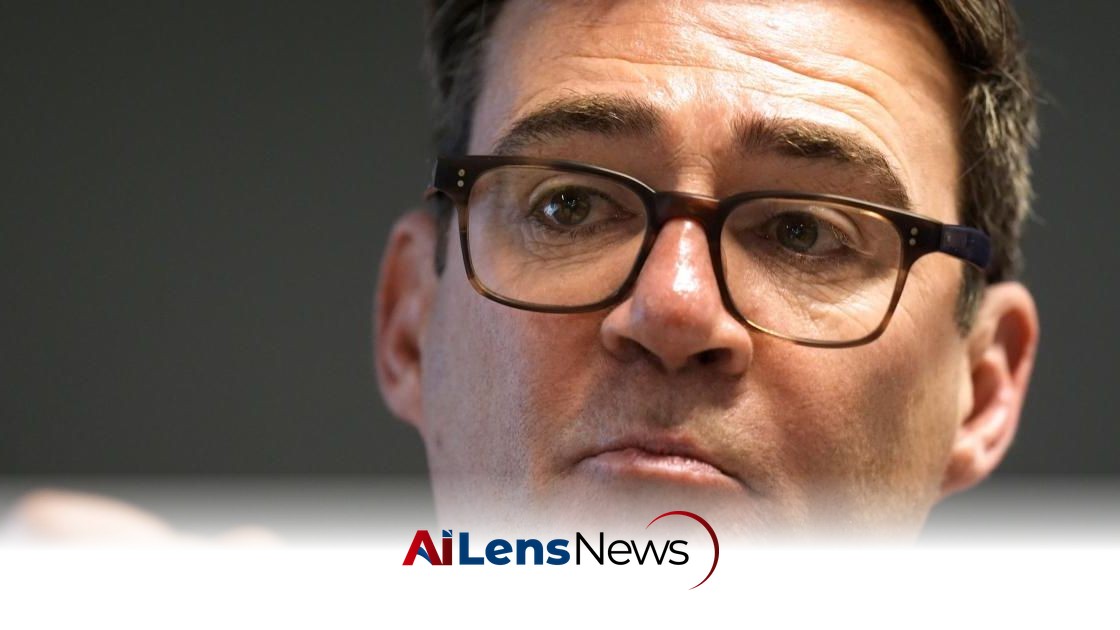


Andy Burnham is cautioned against aligning with The Sun as he prepares for a potential prime ministerial role, amid strong sentiments from Liverpool MPs.
London, United Kingdom Jul 12, 2026 ALN: Andy Burnham, the current MP for Makerfield, is facing increasing scrutiny as he positions himself as a potential candidate for the UK’s next prime minister. Among the growing concerns is his relationship with The Sun newspaper, a publication that has been the subject of significant controversy, particularly in the city of Liverpool. Burnham has been urged by various Liverpool MPs to avoid any close association with the tabloid, especially given its historical role in the aftermath of the Hillsborough disaster, which claimed the lives of 96 Liverpool football fans in 1989.
The Hillsborough disaster remains a deeply painful chapter in Liverpool's history. On April 15, 1989, during an FA Cup semi-final match at Hillsborough Stadium in Sheffield, a crush occurred in the stands, leading to the tragic deaths of 96 fans. In the wake of this tragedy, The Sun published a front-page story that accused Liverpool fans of appalling behavior, including pickpocketing fellow supporters and urinating on police officers. The sensationalist nature of the article, which was titled "The Truth," has been vehemently condemned by the people of Liverpool and has led to a long-standing boycott of the newspaper in the city.
In the aftermath of the disaster, the coverage by The Sun was not only factually incorrect but also deeply hurtful to the families of the victims. The article was based on claims from police officers and a Conservative MP, Irvine Patnick, who suggested that the chaos was exacerbated by drunken fans. These allegations were later proven to be unfounded, and the paper has faced ongoing backlash for its role in perpetuating a narrative that blamed the victims rather than acknowledging the systemic failures that led to the disaster.
Andrew Devine, who died in 2021, is recognized by many as the 97th victim of Hillsborough after suffering life-altering injuries during the disaster. His family, along with countless others, have fought tirelessly for justice and recognition of the truth surrounding the events of that day. The impact of Hillsborough on Liverpool's collective consciousness cannot be overstated, and it has profoundly influenced the city’s political landscape and its relationship with the media.
As Burnham contemplates his future political moves, the history of The Sun and its relationship with Liverpool poses a significant challenge. Liverpool MPs, including Kim Johnson and Paula Barker, have publicly expressed their concerns about Burnham’s potential alignment with the newspaper, emphasizing the strong feelings that many in the city hold against it. Johnson stated, "If it is to support the Scum newspaper, he will have a challenge from Liverpool MPs," highlighting the potential political ramifications of any perceived endorsement of The Sun.
This sentiment reflects a broader cultural and political resistance within Liverpool, where many residents refer to The Sun derogatorily as "the Scum" or "The S*n". The newspaper's diminished presence in the city underscores the lasting impact of its past actions, as many Liverpool residents choose to avoid purchasing it altogether.
Historically, prime ministers have often sought to cultivate relationships with The Sun, viewing it as a key player in shaping public opinion and influencing electoral outcomes. The newspaper has endorsed the winning party in 13 general elections since 1974, making it a significant force in British politics. Its endorsements have been seen as a bellwether for public sentiment, particularly in key constituencies. However, this trend has faced challenges, especially in regions like Liverpool where the paper's reputation remains tarnished.
Burnham's predecessor, Keir Starmer, initially distanced himself from The Sun during his leadership campaign, stating he would not engage with the publication. However, after becoming Labour leader, Starmer reversed his position, engaging with The Sun through interviews and articles. This shift sparked criticism from various quarters, including those who argued that it undermined the party's commitment to the victims of Hillsborough and their families.
Starmer justified his decision by asserting the importance of reaching a broad audience, stating, "I have to make sure that what we have to say is communicated to as many people as possible in the time that we've got available." This pragmatic approach, however, has not alleviated concerns among Liverpool's political representatives regarding the implications of engaging with a publication that has caused so much harm.
The Sun's attempts to reconcile with the people of Liverpool have been met with skepticism. In 2004, the newspaper issued a full-page apology, describing the infamous Hillsborough front page as "the most terrible mistake" in its history. Despite these efforts, the scars left by its reporting remain fresh for many, and feelings of betrayal continue to resonate throughout the community.
Adding to the controversy, former editor Kelvin MacKenzie has been criticized for his comments regarding the Hillsborough disaster. During a 2007 appearance on BBC's Question Time, he acknowledged that his apology was made under pressure from Rupert Murdoch, the paper's owner, rather than from a genuine sense of remorse. This admission has further fueled animosity towards The Sun, as many view it as an insincere attempt to mend fences without taking full responsibility for the harm caused.
The political implications of Burnham's potential relationship with The Sun extend beyond local sentiment. Research from the London School of Economics has indicated that the long-standing boycott of The Sun has influenced political views in Merseyside, with residents reportedly being less Eurosceptic than the national average. This suggests that the historical grievances against the paper may play a role in shaping broader political attitudes within the region.
Burnham himself has acknowledged the impact of Hillsborough on his political journey. In 2009, while serving as culture secretary, he faced significant backlash during a memorial service for the disaster's victims, where he was met with boos from the crowd. He later reflected on this experience as a turning point in his political career, stating, "I’d got to a point where I wasn’t going to be the yes man anymore." This moment of confrontation underscored his commitment to advocating for justice and accountability for the victims of Hillsborough.
As Burnham navigates the complexities of his political ambitions, the relationship with The Sun looms large. His interactions with the paper will likely be scrutinized not only by Liverpool MPs but also by the wider public, particularly those who have been affected by the Hillsborough disaster. The challenge will be to balance the strategic needs of a potential prime ministerial campaign with the moral imperative of honoring the memory of those who lost their lives and the families who continue to seek justice.
In conclusion, as Andy Burnham prepares for a possible run for prime minister, he faces a critical juncture regarding his relationship with The Sun. The historical context of the newspaper's reporting on the Hillsborough disaster and the enduring sentiments of the Liverpool community present significant challenges. Burnham's ability to navigate these waters will not only impact his political future but will also reflect upon the broader relationship between political leaders and the media in the UK.
To learn more about the latest developments in Political Controversies, stay updated with our exclusive reports and analyses on AiLensNews.

