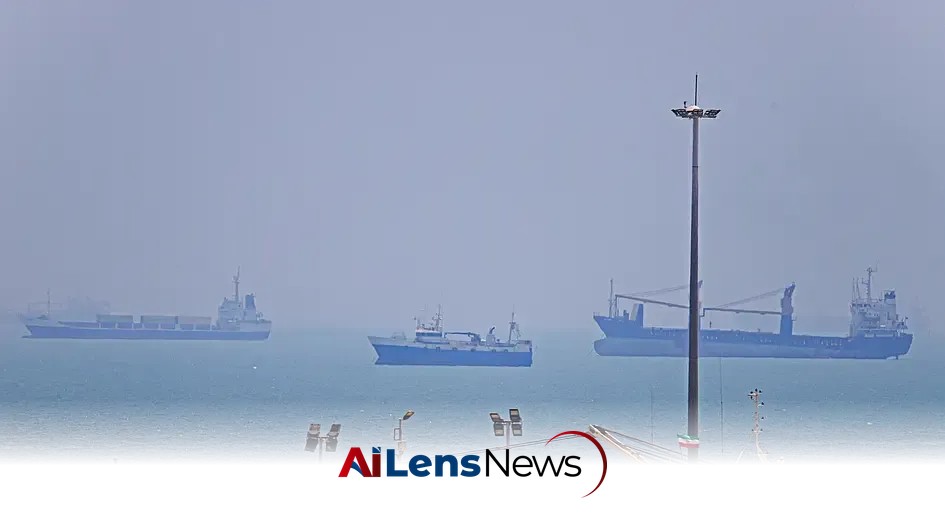


As negotiations in Oman continue, the US emphasizes the need for unrestricted access to the Strait of Hormuz, a critical maritime route.
Abu Dhabi, United Arab Emirates Jul 12, 2026 ALN: The United States is intensifying its diplomatic efforts to secure free access to the Strait of Hormuz from Iran, as discussions in Oman progress. This strategic waterway is vital for global oil transportation, making its security a top priority for the US and its allies. The Strait of Hormuz connects the Persian Gulf with the Gulf of Oman and the Arabian Sea, serving as a critical conduit for oil shipments from the Middle East to markets around the world. Given the geopolitical tensions in the region, the stability of this maritime passage is of utmost importance for energy security and global economic stability.
The Strait of Hormuz is one of the world's most crucial maritime chokepoints, with approximately 20% of the global oil supply passing through it. This narrow waterway is only about 21 miles wide at its narrowest point, making it particularly vulnerable to military and political conflicts. In addition to oil, significant quantities of liquefied natural gas (LNG) also transit through this strait, underscoring its importance not only for oil-importing nations but also for global energy markets as a whole. Any disruption in this area can have significant implications for global energy markets and geopolitical stability. For instance, previous incidents, such as the Iranian seizure of oil tankers or military exercises in the region, have led to spikes in oil prices and increased tensions among nations reliant on this route.
The strategic significance of the Strait of Hormuz extends beyond just the volume of oil that passes through it. The waterway is pivotal for the economies of oil-exporting nations, particularly those in the Gulf Cooperation Council (GCC), which includes countries like Saudi Arabia, the United Arab Emirates, and Kuwait. The stability of oil prices is crucial for these economies, which rely heavily on oil revenues to fund their national budgets and development projects. Disruptions in the Strait can lead to increased shipping costs, insurance premiums, and ultimately higher prices for consumers globally.
In light of ongoing tensions, the US has implemented additional sanctions targeting Iranian networks involved in international financial activities. These sanctions are part of a broader strategy to curb Iran's influence in the region and to deter its military activities that threaten maritime security. State Department spokesman Tommy Pigott stated,
"By targeting these networks, the United States is directly disrupting the regime's ability to access foreign currency and conduct international financial activity."
These measures reflect the US commitment to holding Iran accountable for its actions, particularly those perceived as aggressive or destabilizing to the region.
The sanctions have been met with mixed reactions internationally. While some countries support the US stance, viewing it as a necessary step to maintain order in the region, others criticize the sanctions as counterproductive, arguing that they exacerbate tensions and hinder diplomatic solutions. The complexity of US-Iran relations is further complicated by Iran's nuclear program, regional proxy conflicts, and its relationships with other nations, including Russia and China, which have different interests in the area. The potential for military confrontation remains a significant concern, as both nations have engaged in a series of confrontational actions, including military drills and naval maneuvers in the Persian Gulf.
Talks in Oman are focused on establishing a framework for ensuring safe passage through the Strait of Hormuz. Oman, which shares a border with Iran and maintains a neutral stance in regional conflicts, has historically played a mediating role in US-Iran relations. The US aims to engage Iran in discussions that could lead to a more stable maritime environment, reducing the risk of conflict in the region. The negotiations are expected to address various security measures, including the potential for international naval patrols and enhanced communication protocols between military forces operating in the area.
Diplomatic efforts are also likely to consider the broader implications of Iran's actions in the region, including its support for proxy groups in Iraq, Syria, and Yemen. The US and its allies are concerned that Iran's influence could destabilize neighboring countries and threaten international shipping routes. The outcome of these talks could set a precedent for future interactions between the US and Iran, potentially paving the way for more comprehensive negotiations on a wider range of issues beyond maritime security.
Moreover, the negotiations may also touch upon Iran's nuclear ambitions, which have been a longstanding point of contention between Tehran and Washington. The Joint Comprehensive Plan of Action (JCPOA), an agreement aimed at curbing Iran's nuclear program, has faced numerous challenges, and its future remains uncertain. The interplay between maritime security and nuclear negotiations could significantly shape the diplomatic landscape in the region.
The international community is closely monitoring the situation, hoping for a lasting ceasefire and a resolution to the ongoing tensions. Countries dependent on oil imports are particularly concerned about any potential disruptions. For instance, nations in Europe and Asia, which rely heavily on oil from the Gulf, have expressed their apprehensions regarding the ramifications of heightened tensions in the Strait of Hormuz. The potential for increased oil prices or supply shortages could have cascading effects on global economies, particularly in the context of an already fragile post-pandemic recovery.
Moreover, regional powers such as Saudi Arabia and the United Arab Emirates are acutely aware of the implications of US-Iran relations on their own national security. These countries have historically aligned with the US in countering Iranian influence, and any failure to secure free passage through the Strait of Hormuz could lead to increased military spending or even conflict in the region. The geopolitical landscape is further complicated by the interests of China and Russia, both of which have shown increasing engagement in the Middle East and may seek to exploit any instability for their strategic gains.
China, in particular, has been expanding its influence in the region through economic investments and partnerships, particularly as part of its Belt and Road Initiative. The growing presence of China in the Middle East adds another layer of complexity to the US-Iran negotiations, as Beijing may have its own interests in ensuring stability in the Strait of Hormuz to protect its energy supply routes.
As the US continues its diplomatic outreach, the outcome of the talks in Oman could have far-reaching implications for both regional and global stability. The focus remains on securing free access to the Strait of Hormuz, ensuring that this vital maritime route remains open and secure for international shipping. The stakes are high, and the interplay of diplomacy, sanctions, and military readiness will likely shape the future of US-Iran relations and the broader geopolitical landscape in the Middle East. The ongoing discussions will not only impact oil prices and energy security but could also redefine alliances and power dynamics in a region that has been a focal point of international attention for decades.
To learn more about the latest developments in Government & Governance, stay updated with our exclusive reports and analyses on AiLensNews.

