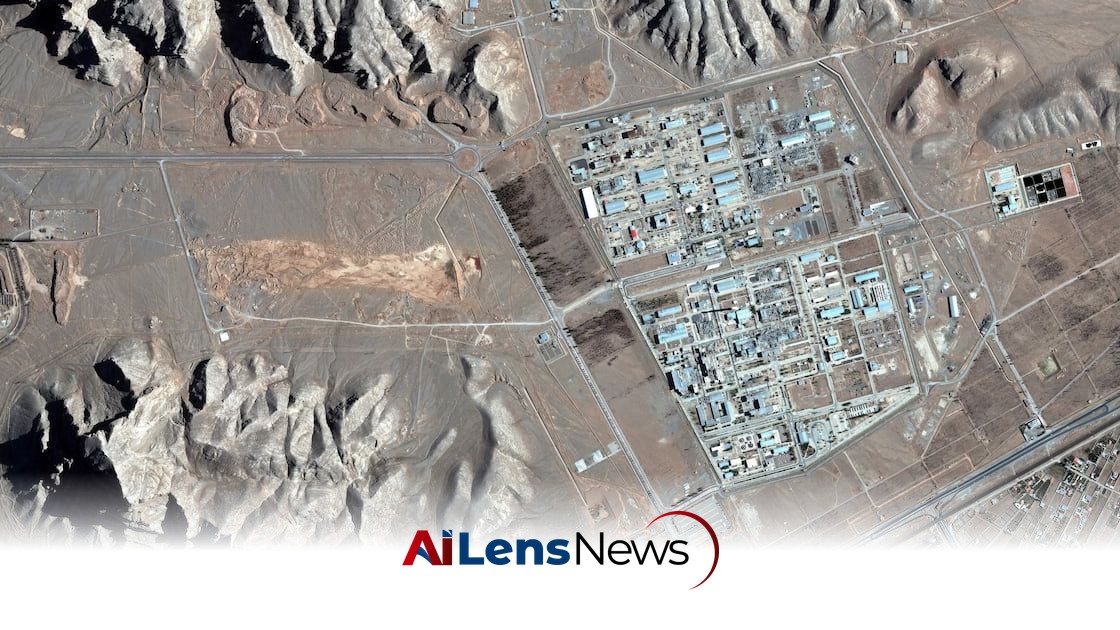


The UN has expressed concerns over the IAEA's inability to monitor Iran's nuclear activities following recent military strikes, raising proliferation worries.
Abu Dhabi, United Arab Emirates Jul 12, 2026 ALN: The United Nations has issued a warning regarding the International Atomic Energy Agency's (IAEA) diminished capacity to monitor Iran's nuclear program effectively. This development follows a series of military strikes by the United States and Israel, which have disrupted the continuity of knowledge at critical nuclear sites. The implications of this situation extend beyond immediate security concerns, affecting regional stability, international relations, and the global non-proliferation regime.
During a recent Security Council meeting, Rosemary DiCarlo, the UN's Undersecretary General for Political and Peacebuilding Affairs, stated that the IAEA has not conducted any verification activities under the Nuclear Non-Proliferation Treaty Safeguards Agreement. This lack of oversight has raised alarms about the potential for nuclear proliferation, as the absence of monitoring can lead to unchecked advancements in nuclear technology and materials, which could ultimately be diverted for military purposes.
DiCarlo emphasized that the IAEA has lost continuity of knowledge across all of Iran's declared nuclear facilities. This situation leaves inspectors unable to verify the production and inventory of essential materials such as centrifuges, rotors, bellows, heavy water, and uranium ore concentrate. The ability to track these materials is crucial for ensuring that they are not being repurposed for weapons development, and the IAEA's inability to do so raises significant concerns about the transparency of Iran's nuclear activities.
The IAEA's June report highlighted that Iran is currently the only non-nuclear-weapon state party to the Nuclear Non-Proliferation Treaty producing uranium enriched to 60 percent purity. This level of enrichment is a significant step towards developing weapons-grade material, which typically requires enrichment levels above 90 percent. The agency's year-long loss of oversight over declared nuclear materials is described as a significant proliferation concern that requires urgent attention. The situation is further complicated by Iran's ongoing development of advanced centrifuges that could expedite the enrichment process.
Since the US-Israeli strikes in June of the previous year, inspectors have been unable to access critical facilities, including Fordow, Natanz, and Isfahan. These sites are pivotal for Iran's nuclear program, with Fordow being a fortified underground facility that has been a focal point of international scrutiny. The lack of access has further complicated the IAEA's ability to monitor Iran's nuclear activities, creating a gap in the verification process that could be exploited by those seeking to advance their nuclear capabilities without oversight.
In response to these developments, Washington's deputy envoy, Tammy Bruce, accused Iran of violating both the substance and spirit of a recent agreement with the US. She noted that Iran has launched cruise missiles and drones against commercial shipping and infrastructure in several countries, including Bahrain, Jordan, Kuwait, and Qatar. These actions have heightened tensions in the region and raised questions about Iran's commitment to diplomatic negotiations regarding its nuclear program.
Bruce stated, "We made progress in our discussions with Iran with the signing of the Islamabad deal. The door to diplomacy remains open and is our preferred path to resolve concerns related to Iran's nuclear program." However, she warned that negotiations cannot continue while Iran attacks civilian targets. This statement reflects the broader challenge of balancing diplomatic engagement with the need to hold Iran accountable for its military actions and nuclear ambitions.
Bruce urged UN member states to implement reinstated sanctions on Iran in good faith, describing them as the Security Council's most effective tool for maintaining international security. The sanctions regime, which has been a cornerstone of international efforts to curb Iran's nuclear program, has faced challenges in enforcement and compliance. Bahrain's UN ambassador, Jamal Fares Alrowaiei, echoed these sentiments, accusing Iran of using diplomacy to alleviate international pressure while failing to meet its commitments.
Alrowaiei questioned how long diplomacy could remain hostage to unfulfilled promises, asserting that no diplomatic progress would be sustainable without Iran's full compliance with international obligations and cooperation with the IAEA. This perspective underscores the frustration among some nations regarding Iran's perceived lack of accountability and the effectiveness of diplomatic efforts to rein in its nuclear activities.
In contrast, Russia has rejected allegations that Iran is pursuing nuclear weapons. Russian Deputy UN Ambassador Anna Evstigneeva stated that Iranian leaders have repeatedly affirmed their lack of intention to acquire nuclear arms. She noted that the IAEA has never verified any diversion of Iranian nuclear material for military purposes. This position reflects Russia's broader geopolitical interests in maintaining a cooperative relationship with Iran, particularly in the context of regional security dynamics and its opposition to US-led sanctions.
The contrasting narratives from the US and Russia highlight the complexities of international diplomacy surrounding Iran's nuclear program. As tensions rise, the situation surrounding Iran's nuclear program remains precarious, with the potential for further escalation if diplomatic efforts fail. The international community watches closely as the IAEA's oversight capabilities continue to be challenged. The outcome of this situation could have far-reaching implications for the future of non-proliferation efforts, regional stability in the Middle East, and the global balance of power.
In conclusion, the current state of Iran's nuclear program, coupled with the geopolitical tensions exacerbated by military actions and diplomatic failures, presents a multifaceted challenge for the international community. The IAEA's loss of oversight is not merely a technical issue; it is indicative of broader geopolitical struggles and the ongoing quest for stability and security in a region fraught with historical tensions and competing interests. As stakeholders navigate this complex landscape, the need for effective dialogue and a commitment to non-proliferation remains critical to prevent further escalation and ensure a peaceful resolution to the ongoing crisis.
To learn more about the latest developments in Government & Governance, stay updated with our exclusive reports and analyses on AiLensNews.

