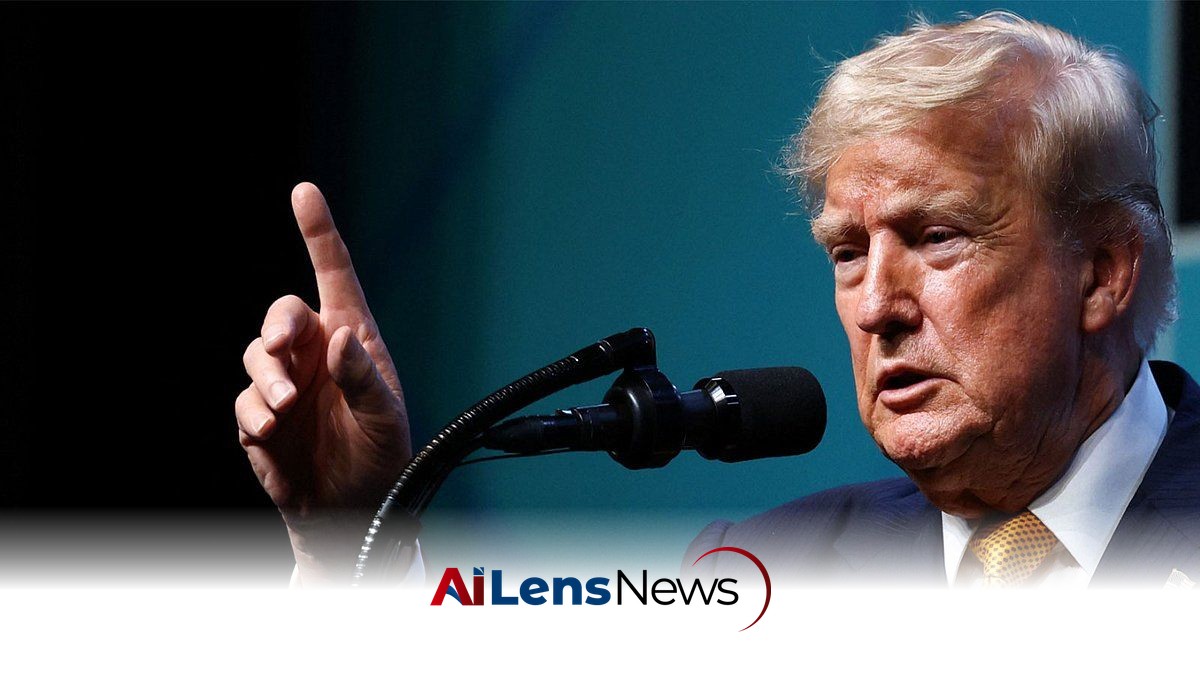


Trump warns Iran that 1,000 US missiles are ready in response to an alleged assassination plot, heightening US-Iran tensions.
Abu Dhabi, United Arab Emirates Jul 11, 2026 ALN:
Former President Donald Trump has reiterated that he remains a target for Iran, referencing the heightened tensions that followed the US operation that killed Iranian military commander Qasem Soleimani in 2020. This operation, which was authorized by Trump himself, marked a significant escalation in US-Iran relations and led to a series of retaliatory actions from Iran, including missile strikes on US bases in Iraq. The assassination of Soleimani, who was considered one of the most powerful figures in Iran, was seen as a pivotal moment that disrupted the balance of power in the region.
In an interview with the New York Post, Trump stated that he has instructed for a significant military response should Iran succeed in any attempt on his life. His comments come amid ongoing fears that Iran may seek revenge for the killing of Soleimani, who was a key architect of Iran's military strategy in the Middle East. Trump emphasized the seriousness of the threat by stating, “I’ve been on their list for a long time,” highlighting the persistent danger he believes he faces from Iranian operatives.
Trump's rhetoric indicates a willingness to escalate military action against Iran, asserting that officials have been directed to “bomb them” at levels that Iran has never experienced before. This statement raises concerns about the potential for military conflict, as it suggests that the US may be prepared to undertake significant military operations if provoked. While expressing hope that such a scenario would not come to fruition, he asserted that Iran has been contemplating targeting him for years, which underscores the ongoing volatility in US-Iran relations.
Trump’s statements come in the wake of his declaration that the US-Iran ceasefire arrangement is effectively “over,” accusing Tehran of failing to uphold its commitments. This assertion reflects a broader sentiment among US officials who believe that Iran's actions, including its nuclear program and support for proxy groups in the region, have undermined any previous agreements aimed at stabilizing relations. The breakdown of the ceasefire raises questions about the future of diplomatic engagements between the two nations.
He mentioned that US representatives could still engage in discussions with Iran but expressed skepticism about the potential for reaching a meaningful agreement. This skepticism is rooted in a history of failed negotiations, particularly following the US withdrawal from the Joint Comprehensive Plan of Action (JCPOA) in 2018, which had aimed to limit Iran's nuclear capabilities in exchange for sanctions relief. Since the US exit from the agreement, Iran has gradually stepped away from its commitments, further complicating the diplomatic landscape.
These remarks follow a series of escalating tensions between Washington and Tehran, including US military strikes on Iranian sites and ongoing diplomatic efforts aimed at addressing nuclear and security concerns. The Biden administration has sought to revive negotiations over Iran's nuclear program, but progress has been slow, and the geopolitical climate remains fraught with mistrust.
In response to Trump's comments, Iranian officials have asserted that Tehran is prepared to defend itself and will not capitulate. This defiance is emblematic of Iran's broader strategy of projecting strength in the face of US pressure. Iranian leaders have accused the US of exacerbating tensions while maintaining their right to respond to any acts of aggression. Such statements are part of Iran's narrative that positions it as a victim of US imperialism, which resonates with segments of the Iranian populace and serves to bolster the regime's legitimacy.
The Iranian government has also emphasized its commitment to its nuclear program, which it insists is for peaceful purposes, despite widespread skepticism from the international community. The ongoing enrichment of uranium and advancements in missile technology have raised alarms among US and allied officials, who fear that Iran is inching closer to developing a nuclear weapon capability. This has led to calls for a more robust international response to Iran's actions, including potential sanctions or military options.
The latest comments contribute to the growing uncertainty surrounding US-Iran relations, with regional nations closely monitoring the situation. The Middle East has been a hotspot for geopolitical rivalries, and the US-Iran dynamic plays a crucial role in shaping the security landscape. Key issues such as the Strait of Hormuz, nuclear negotiations, and maritime security remain at the forefront as diplomatic efforts continue to avert further escalation.
The Strait of Hormuz, a vital waterway for global oil shipments, has been a flashpoint for US-Iran tensions. Iran has threatened to block the strait in retaliation for US sanctions, which could have catastrophic implications for global oil markets and energy security. The potential for military confrontation in this critical region underscores the urgency for diplomatic solutions that can address both US concerns over Iran's nuclear ambitions and Iran's grievances regarding US policies in the region.
As the situation evolves, the implications of Trump's statements and Iran's responses will reverberate throughout the region. Allies such as Israel and Gulf Arab states are particularly concerned about Iran's military capabilities and its influence in Iraq, Syria, and Lebanon. The US's stance on Iran is closely watched, as it shapes the security strategies of these nations and their own responses to Iranian threats.
In conclusion, the ongoing tensions between the US and Iran highlight the complexities of international diplomacy in an era marked by deep-seated animosities and competing interests. As both nations navigate this fraught landscape, the potential for miscalculation remains high, underscoring the need for careful consideration of rhetoric and actions that could lead to unintended consequences. The stakes are high, not only for the US and Iran but for the stability of the entire Middle East and beyond.
To learn more about the latest developments in Political Controversies, stay updated with our exclusive reports and analyses on AiLensNews.

