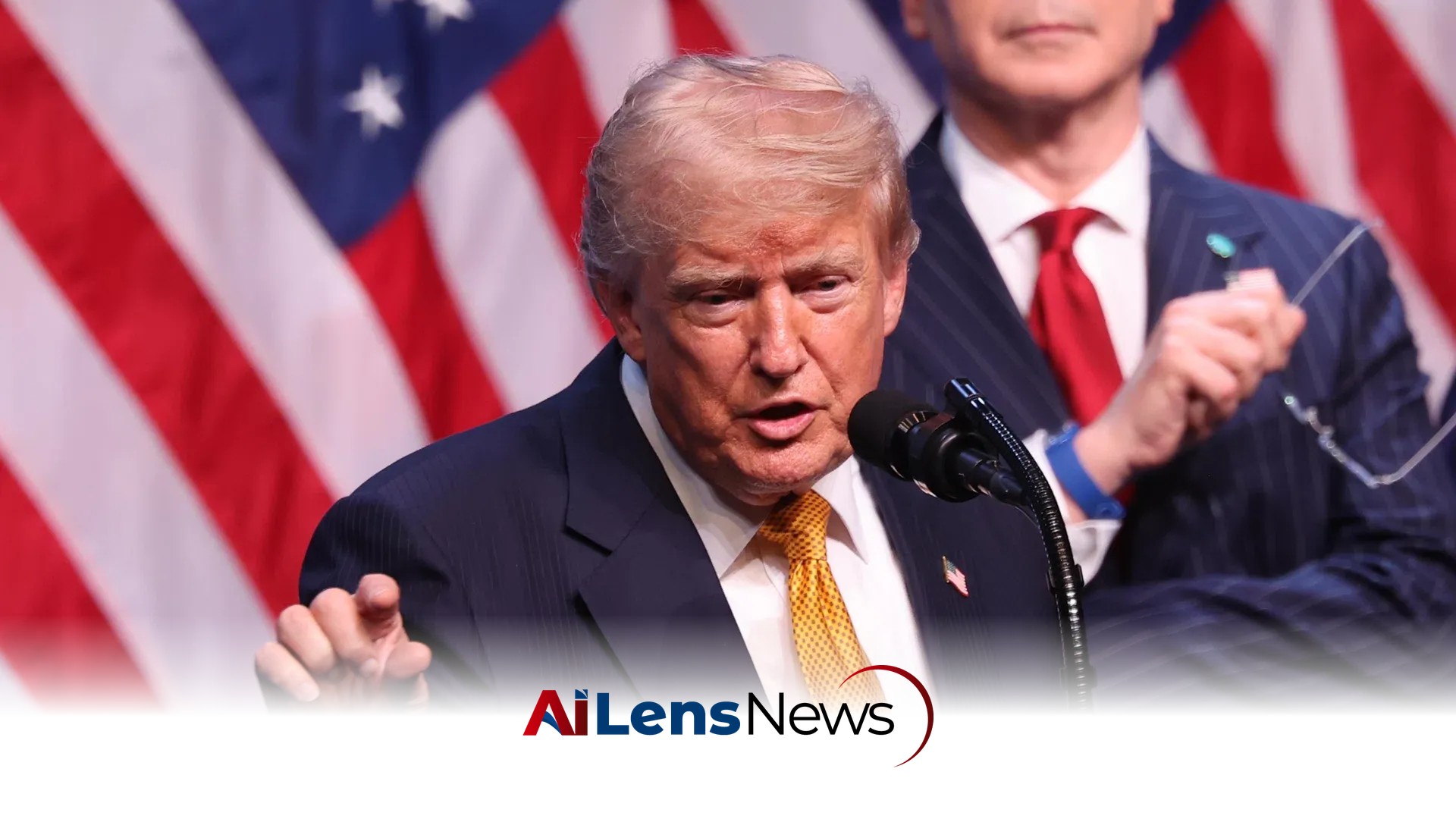


US President Donald Trump has issued a stark warning to Iran, threatening military action if the country attempts to assassinate him, following reports of a new plot.
Singapore, Singapore Jul 11, 2026 ALN: [WASHINGTON] US President Donald Trump has issued a stark warning to Iran, stating that if the Islamic Republic's leaders attempt or succeed in carrying out an assassination plot against him, the US military would "completely decimate and destroy all areas" of Iran. This declaration was made in a post on Truth Social late on Friday, July 10, and follows a week marked by escalating tensions between the two nations, seemingly dashing hopes for a diplomatic resolution.
The context of Trump's warning is crucial, particularly in light of recent events in Iran. The country has been in mourning following the death of former Supreme Leader Ali Khamenei, who passed away in an attack as US and Israeli military operations against Iran commenced on February 28. Khamenei's death has led to significant shifts in Iranian leadership, with his son, Mojtaba Khamenei, stepping into the role. This transition in power comes at a time when Iran is grappling with internal and external pressures, including sanctions and military threats from the United States and its allies.
In his post, Trump emphasized the readiness of the US military, stating, "1,000 missiles are Locked and Loaded and aimed at the Islamic Republic of Iran, with thousands more to immediately follow, should the Iranian Government act on its threat, pronounced in many corners of the Globe, to assassinate, or attempt to assassinate, the sitting President of the United States of America, in this case, ME!" This rhetoric underscores the severity of the situation and the potential for military escalation in the region.
Trump further asserted that orders had been given and that the US military is "ready, willing and able" to respond to any threats. This statement reflects a broader strategy employed by the Trump administration, which has often relied on strong military posturing as a means of deterrence against perceived threats from adversarial nations.
The President's comments came shortly after his return from a NATO summit in Turkey, where he made a stop at a British military base to switch Air Force One planes. When reporters inquired if security concerns were behind the decision to change aircraft, Trump dismissed the notion, stating, "no, no, why would there be?" However, he acknowledged the persistent threat he faces, saying, "Well, I have a threat all the time. I’m No. 1 on their list." This acknowledgment highlights the precarious position of political leaders in the context of international relations, particularly those who have been vocal critics of regimes like Iran.
Throughout his presidency, Trump has faced multiple assassination threats, and his campaign for the 2024 presidential election has been marked by heightened security concerns. Reports indicate that officials from the Biden administration have briefed Trump on "real and specific threats from Iran" regarding plans to harm him. This intelligence underscores the gravity of the situation and the potential ramifications of escalating tensions between the US and Iran.
Additionally, it has been reported that Israel, a key ally of the United States in the region, had warned Trump of a new Iranian plot. This collaboration between the US and Israel reflects a longstanding alliance aimed at countering Iranian influence in the Middle East. The implications of such intelligence sharing are significant, as they not only inform US military strategy but also shape diplomatic relations in the region.
The backdrop of these events is a complex web of historical animosities and geopolitical maneuvering. The US and Iran have a fraught history, particularly since the 1979 Iranian Revolution, which saw the overthrow of the US-backed Shah and the establishment of the Islamic Republic. Since then, relations have been characterized by hostility, with both nations engaging in proxy conflicts and economic warfare. The US has imposed a series of sanctions on Iran, aimed at curtailing its nuclear ambitions and regional influence, while Iran has responded with defiance and military posturing.
The recent developments also come at a time when the Biden administration has attempted to re-engage Iran diplomatically, particularly regarding the Joint Comprehensive Plan of Action (JCPOA), commonly known as the Iran nuclear deal. The agreement, which was originally signed in 2015, aimed to limit Iran's nuclear program in exchange for sanctions relief. However, the US withdrawal from the deal in 2018 under Trump has led to increased tensions and a breakdown in negotiations. The current climate suggests that any hopes for a renewed diplomatic accord are fading, especially in light of Trump's aggressive rhetoric.
The implications of Trump's warning extend beyond immediate military concerns. A potential military confrontation could have severe repercussions not only for US-Iran relations but also for regional stability in the Middle East. Escalating conflicts could draw in other nations and exacerbate existing tensions among various factions within the region, including Sunni and Shia powers, as well as non-state actors.
Furthermore, the potential for military action raises questions about the domestic political landscape in the United States. As Trump campaigns for the 2024 presidential election, his approach to foreign policy and national security will be scrutinized by voters. The narrative of strength and decisiveness may resonate with some constituents, while others may view military threats as reckless and counterproductive.
In conclusion, President Trump's warning to Iran signals a critical juncture in US-Iran relations, characterized by heightened tensions and the potential for military escalation. The historical context of animosity between the two nations, coupled with the complexities of current geopolitical dynamics, suggests that the path forward will be fraught with challenges. As both nations navigate this precarious situation, the implications of their actions will reverberate not only across the Middle East but also within the broader international community. The coming weeks and months will be pivotal in determining whether diplomacy can prevail or if the region will be plunged into further conflict.
To learn more about the latest developments in Leaders & Politicians, stay updated with our exclusive reports and analyses on AiLensNews.

