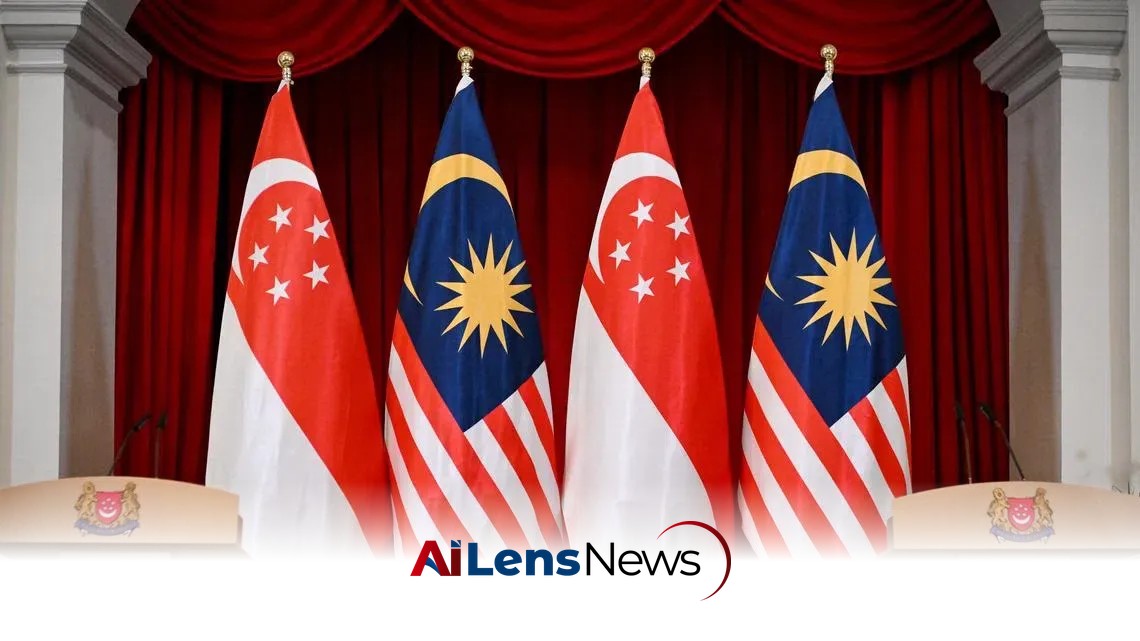


President Tharman Shanmugaratnam emphasizes the importance of mutual respect and understanding in the partnership between Singapore and Malaysia ahead of his state visit.
Singapore, Singapore Jul 12, 2026 ALN: SINGAPORE – Singapore and Malaysia, two neighboring countries with a shared history and cultural ties, have long been seen as partners in progress, even as they navigate the complexities of bilateral relations. President Tharman Shanmugaratnam emphasized the importance of mutual respect and understanding during his recent four-day state visit to Malaysia, which was marked by discussions on the significance of maintaining strong ties despite occasional disagreements.
In his written interview with Malaysian news agency Bernama, President Tharman articulated that while Singapore and Malaysia may not always see eye to eye on specific issues, it is crucial that these differences do not overshadow the broader partnership that has been cultivated over decades. This sentiment reflects a mature approach to diplomacy, where both nations acknowledge their differences but remain committed to addressing them constructively.
President Tharman's visit, which was made at the invitation of the Malaysian King, Sultan Ibrahim Sultan Iskandar, underscores a longstanding tradition of high-level engagement between the two countries. Sultan Ibrahim's own state visit to Singapore in May 2024 marked his first overseas engagement since ascending to the throne in January, highlighting the importance both nations place on their diplomatic relationship.
The President noted that the two countries have faced a number of sensitive and complex bilateral issues over the years, a reality that is not uncommon among neighboring countries with intertwined histories. However, he pointed out that successive governments in both Singapore and Malaysia have opted to engage in dialogue and seek resolution rather than allow these issues to become stumbling blocks. This approach is a testament to the high levels of trust and familiarity that exist between the leaders, officials, and citizens of both nations.
In discussing the nature of the relationship, President Tharman emphasized that it has been driven not merely by shared heritage but by a genuine respect for each other's interests. He stressed that the relationship must not devolve into a purely transactional one, as this could undermine the deeper connections that have been established over time.
The idea that regional stability is not contingent on the absence of disputes, but rather on the ability to manage them responsibly, is a crucial takeaway from President Tharman's remarks. This perspective is particularly relevant in the context of the Association of Southeast Asian Nations (ASEAN), where member states are encouraged to engage in dialogue and cooperation to foster regional peace and stability.
President Tharman also highlighted the importance of regular engagement among leaders, politicians, officials, businesses, and the people of both Singapore and Malaysia. He noted that this engagement had come naturally to earlier generations and emphasized the need for proactive facilitation of such interactions through bilateral exchange programs, youth leadership forums, and community projects. These initiatives are essential for nurturing the next generation of leaders who will continue to build on the foundation of trust and cooperation established by their predecessors.
In an increasingly interconnected yet troubled global landscape, the mutual trust that has developed over the past 60 years will serve as a critical foundation for further cooperation in various sectors, including economic integration, renewable energy, and talent development. President Tharman pointed out that amid the fracturing of the multilateral trading system and the intensifying competition among great powers, both Singapore and Malaysia have a vested interest in deepening their integration within the region and among close neighbors.
For example, the two countries can collaborate to enhance market access, develop greater resilience in energy and supply chains, and address the pressing challenges posed by climate change through joint initiatives in renewable energy and carbon credit systems. These collaborative efforts not only benefit both nations but also set a precedent for how neighboring countries can work together to tackle global challenges.
Furthermore, President Tharman referenced joint investments made by Singapore and Malaysia, such as the Johor-Singapore Special Economic Zone and the Rapid Transit System (RTS) Link, as exemplars of win-win cooperation. These projects are designed to leverage the strengths of both countries, creating opportunities for economic growth and development that will ultimately benefit the citizens of both nations.
As the two countries look to the future, they also have a shared interest in maintaining an open and rules-based international order, which is vital for the continued success of ASEAN as a regional grouping. President Tharman noted that the momentum generated by Malaysia’s successful chairmanship of ASEAN in 2025, which included significant milestones such as the accession of Timor-Leste as the grouping’s 11th member, must be built upon.
In light of these developments, President Tharman asserted that by working together, Singapore and Malaysia can help preserve ASEAN's central role in promoting regional peace, stability, and growth, particularly as Singapore prepares for its own chairmanship in 2027. This collaborative spirit is encapsulated in a Malay saying quoted by the President: "jiran sepakat membawa berkat," which translates to "neighbours in agreement bring blessings."
Ultimately, President Tharman concluded that the cooperation between Singapore and Malaysia over the past six decades has yielded mutual benefits and development for both nations. He reiterated the importance of maintaining a foundational belief in the value of working together, respecting one another, and fostering affection between the two countries. "Let our hearts shake hands," he urged, underscoring the need for a continued commitment to collaboration and understanding as both nations navigate the complexities of their relationship in an ever-evolving global environment.
To learn more about the latest developments in Regional Politics, stay updated with our exclusive reports and analyses on AiLensNews.

