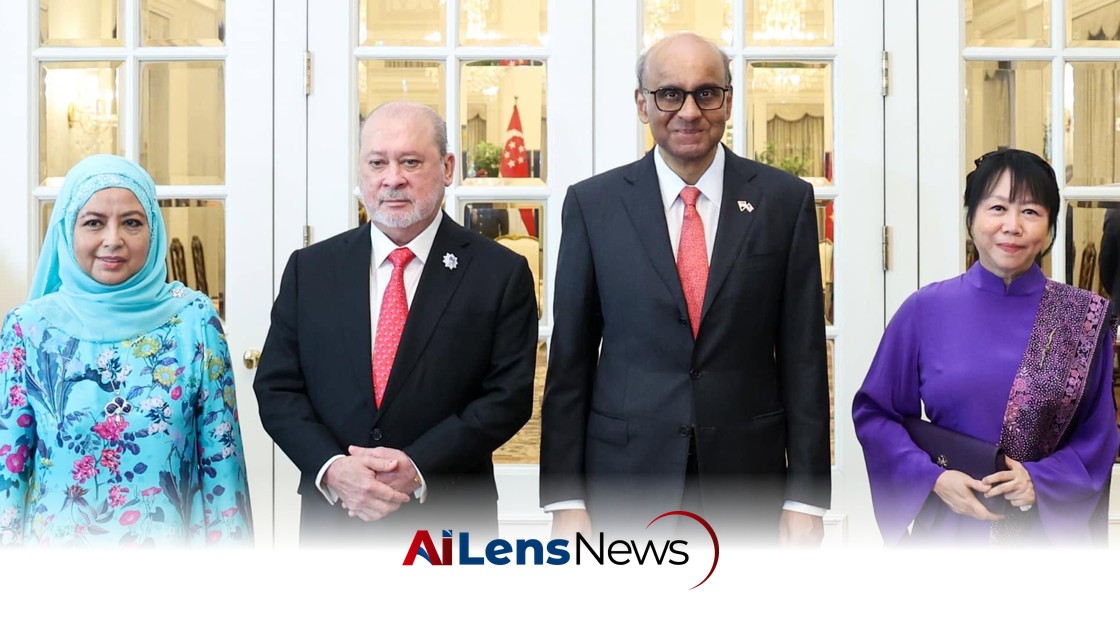


President Tharman Shanmugaratnam emphasizes the unique ties between Singapore and Malaysia, advocating for mutual respect and cooperation during his state visit.
Singapore, Singapore Jul 13, 2026 ALN: The relationship between Singapore and Malaysia is often described as "unique" due to the deep-rooted historical, cultural, and economic ties that bind the two nations. This multifaceted relationship has evolved over decades, shaped by shared experiences and mutual interests, reflecting a blend of cooperation and occasional tensions. President Tharman Shanmugaratnam articulated this sentiment during his recent state visit to Malaysia from July 13 to July 15, following an invitation from His Majesty Sultan Ibrahim, King of Malaysia. In a written interview, he highlighted the intertwined histories of the two countries, stating that their peoples share not only a common past but also "ties of kinship" and cultural traditions that have evolved over centuries. This shared heritage is fundamental to the relationship, setting a foundation for collaboration and mutual respect.
President Tharman emphasized the significance of their highly integrated economies, noting that this economic interdependence yields benefits for citizens on both sides of the Causeway. The economic relationship is not merely transactional; it is built on an understanding that both nations can thrive together. The President's remarks underscore the importance of nurturing this partnership, especially in a world that is increasingly tumultuous and fraught with challenges. He pointed out that the trust developed over the past 60 years is vital for both countries as they navigate contemporary global issues.
During his visit, President Tharman highlighted key initiatives that symbolize the collaborative spirit between Singapore and Malaysia. One such initiative is the Johor-Singapore Special Economic Zone, which represents a joint investment in the future. This economic zone aims to enhance cross-border trade and investment, creating new opportunities for businesses and workers in both nations. The President also mentioned the Rapid Transit System (RTS) Link project, which will facilitate easier commuting between Singapore and Malaysia. This infrastructure project is expected to significantly improve connectivity and further strengthen the ties that bind the two countries.
While the relationship between Singapore and Malaysia has been characterized by cooperation, it is not without its challenges. Over the years, there have been various disagreements and disputes between the two nations, ranging from water supply agreements to territorial issues. President Tharman acknowledged this reality, stating that despite the differences, both countries have consistently chosen to resolve issues respectfully and lawfully. This approach is crucial in maintaining a constructive dialogue and ensuring that disputes do not hinder the broader partnership.
He elaborated on the importance of trust and familiarity between leaders, officials, and citizens of both nations, which provides the necessary space to manage disputes through dialogue and mutual understanding. This framework for conflict resolution is essential, as it fosters an environment where both sides can express their concerns and work collaboratively towards solutions. The ability to address differences openly, rather than ignoring them, is a hallmark of the Singapore-Malaysia relationship and has contributed to its resilience over the years.
President Tharman's remarks also reflect a broader sentiment that cooperation between Malaysia and Singapore has resulted in mutual benefits and development for both nations. He urged that this foundational belief should always be at the forefront of their interactions. The idea that both countries are better off working together, respecting one another, and fostering affection for each other is a powerful reminder of the potential that lies in collaboration.
As the two nations continue to navigate the complexities of their relationship, the emphasis on mutual respect and understanding will be critical. In a world where geopolitical tensions and economic uncertainties are prevalent, the partnership between Singapore and Malaysia serves as a model for how countries can work together despite their differences. The commitment to dialogue and cooperation is not only beneficial for the two countries but also serves as a stabilizing force in the region.
In conclusion, President Tharman Shanmugaratnam's visit to Malaysia underscores the significance of the Singapore-Malaysia relationship. By advocating for mutual respect and understanding, he has reiterated the importance of nurturing this unique partnership. The shared history, cultural ties, and economic integration between the two nations provide a solid foundation for future collaboration. As they move forward, both countries must remain committed to addressing their differences constructively and continue to build on the trust that has been established over the decades. The call to "let our hearts shake hands" encapsulates the spirit of friendship and cooperation that is essential for the continued prosperity of both Singapore and Malaysia.
Historically, the relationship between Singapore and Malaysia has seen both cooperation and conflict. Following Singapore's separation from Malaysia in 1965, the two nations have had to navigate their newfound independence while maintaining close ties. The shared colonial history under British rule has left a legacy of intertwined governance, legal systems, and cultural practices. Both nations have also benefited from their geographical proximity, which has facilitated trade, tourism, and people-to-people connections.
In recent years, the economic ties have deepened, with Singapore emerging as one of Malaysia's largest trading partners. The economic interdependence is evidenced by the significant number of Malaysians working in Singapore and the numerous Singaporean companies operating in Malaysia. This economic collaboration is further bolstered by initiatives such as the Malaysia-Singapore Joint Ministerial Committee for Iskandar Malaysia, which aims to enhance economic cooperation in the Iskandar region of Johor.
However, the relationship has not been without its strains. Issues such as water supply agreements, airspace management, and land reclamation projects have sparked disagreements. Nevertheless, both nations have historically managed to resolve these disputes through diplomatic channels, reflecting a commitment to dialogue over confrontation. The ability to engage in constructive discussions has been a key factor in maintaining stability and fostering a spirit of cooperation.
In the context of President Tharman's visit, it is crucial to recognize the broader implications of his advocacy for mutual respect. As regional dynamics evolve, particularly with the rise of major powers and shifting economic landscapes, the partnership between Singapore and Malaysia will be tested. Both nations must remain vigilant in nurturing their relationship, ensuring that it adapts to changing circumstances while remaining rooted in mutual respect and understanding.
The emphasis on collaboration also resonates with the aspirations of the Association of Southeast Asian Nations (ASEAN), of which both Singapore and Malaysia are founding members. ASEAN's central tenet of promoting regional stability and economic integration aligns with the bilateral efforts between the two countries. By working together, Singapore and Malaysia can contribute to a more cohesive and resilient Southeast Asia, capable of addressing common challenges such as climate change, economic disparity, and security threats.
In summary, President Tharman's visit to Malaysia serves as a timely reminder of the importance of mutual respect and collaboration in the Singapore-Malaysia relationship. As both nations face domestic and international challenges, their ability to work together will be crucial for their continued prosperity and stability. The call to "let our hearts shake hands" is not just a metaphor for friendship; it is an invitation to engage in a partnership that can weather the storms of change and uncertainty, ensuring a brighter future for both Singapore and Malaysia.
To learn more about the latest developments in Elections, stay updated with our exclusive reports and analyses on AiLensNews.

