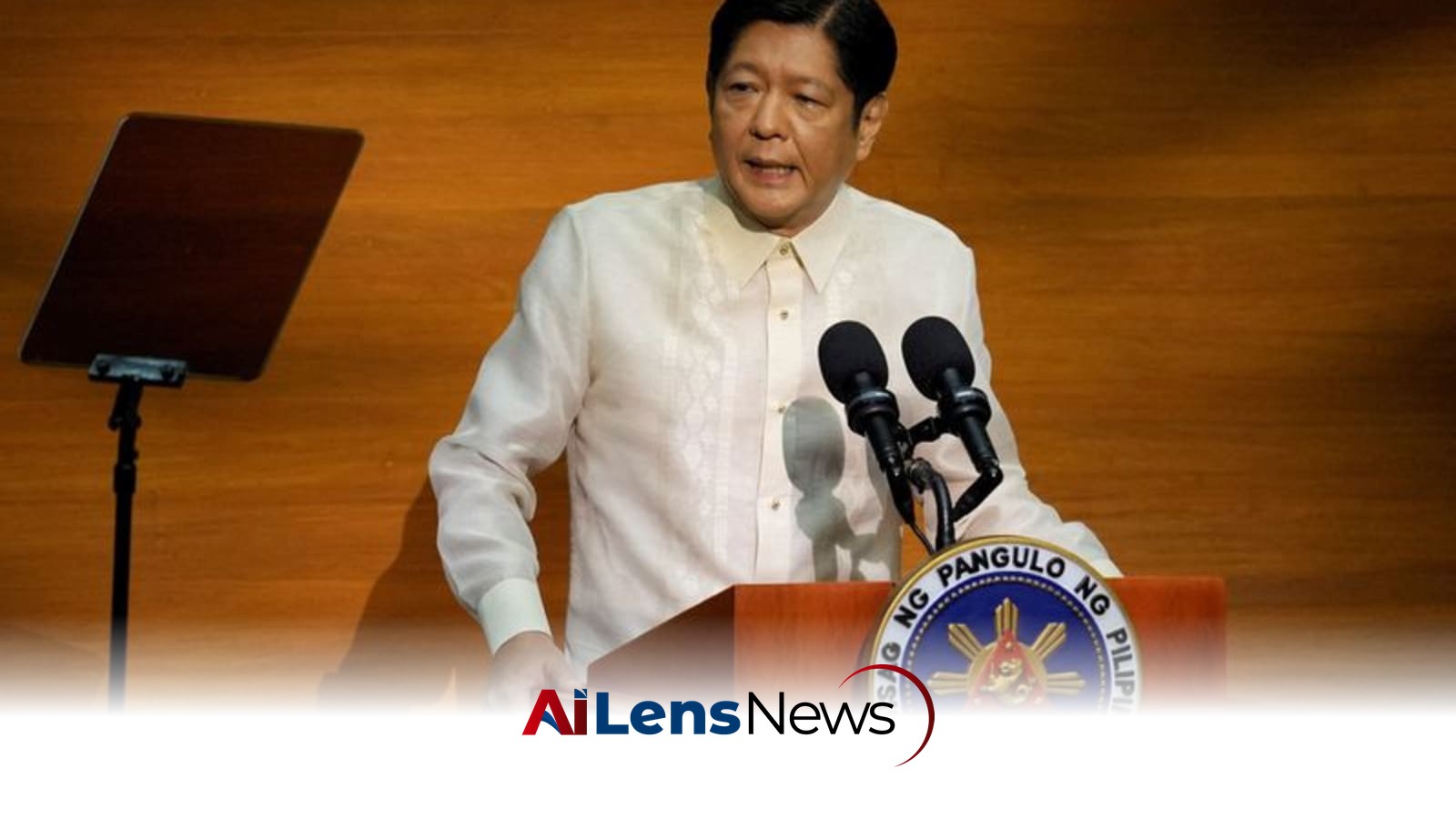


Philippine President Ferdinand Marcos Jr. embarks on his inaugural overseas trip to Indonesia, focusing on defense, counter-terrorism, and economic cooperation.
Singapore, Singapore Sep 5, 2022 ALN: Philippine President Ferdinand Marcos Jr. will meet his Indonesian counterpart Joko Widodo on Monday (Sep 5) for a state visit set to focus on bolstering joint defense and counter-terrorism work between the two neighbors. This visit marks an important moment in Philippine foreign relations, particularly in Southeast Asia, where the dynamics of security, trade, and cooperation are increasingly interconnected.
The trip by Marcos, the son and namesake of the late ruler who was overthrown in a popular uprising 36 years ago, is his first official venture overseas since his landslide election victory in May. This context is significant, as it underscores the historical weight of his family name in Philippine politics and the potential for his administration to reshape relationships with neighboring countries. The Marcos family's legacy is often associated with authoritarian rule and human rights abuses, which adds complexity to his diplomatic endeavors. The shadow of his father's regime looms large over his presidency, making every diplomatic move scrutinized for its implications on both domestic and international fronts.
During the meeting, the two leaders are expected to renew a defense and security pact, which is crucial given the evolving security landscape in the region. The South China Sea disputes and the threat of terrorism are pressing concerns that necessitate closer cooperation between the Philippines and Indonesia. Both nations have faced challenges from extremist groups, and their collaboration on defense issues is vital for ensuring stability in the region. The South China Sea, a vital trade route that is also rich in resources, has seen increasing tensions due to overlapping territorial claims, particularly from China, which has escalated military presence and assertive actions in the area. This situation has prompted neighboring countries, including the Philippines and Indonesia, to strengthen their defense strategies and alliances.
In addition to defense matters, the leaders will sign agreements related to trade, investment, and green energy, reflecting a broader agenda that extends beyond security. The Philippines and Indonesia share significant economic ties, and enhancing these connections can lead to mutual benefits. Trade agreements can facilitate the exchange of goods and services, promote investments, and create jobs in both countries. Moreover, with the increasing global emphasis on sustainability, the focus on green energy highlights a commitment to addressing environmental challenges while fostering economic growth. Both nations have abundant natural resources and are looking to diversify their energy portfolios, making cooperation in renewable energy sectors a key area for future collaboration.
Philippine press secretary Trixie Cruz-Angeles indicated that maritime cooperation and border security would also be on the agenda. These discussions are particularly relevant given the geographical proximity of the two nations and the shared challenges they face in managing their maritime boundaries. The South China Sea, a vital trade route, has been a hotspot for territorial disputes, and both countries are keen on ensuring their maritime rights are respected while maintaining peace and stability. The maritime domain is not only crucial for national security but also for economic activities such as fishing and shipping, which are vital to both nations' economies.
Moreover, the recent history of violence linked to terrorism in both countries complicates the security landscape. Suicide bombings in the Philippines and Indonesia, including attacks on churches, have raised alarms about the potential for extremist groups to collaborate across borders. The involvement of Indonesian fighters in the 2017 takeover of Marawi City by militants illustrates the interconnectedness of these threats. Analysts have pointed out that regional extremists often share resources, training, and ideological motivations, making it essential for neighboring countries to work together to combat this menace effectively. The rise of groups like Abu Sayyaf and the Daesh-inspired Maute Group in the Philippines and the continuing threat of Jemaah Islamiyah in Indonesia highlight the need for a coordinated counter-terrorism strategy that transcends national borders.
The Jakarta Post newspaper published an editorial on Monday emphasizing that the visit presents an opportunity for President Marcos to advocate for the case of Mary Jane Veloso, a Filipino on death row in Indonesia for drug smuggling. This aspect of the visit highlights the complexities of diplomatic relations, where humanitarian concerns intersect with legal and political considerations. Veloso's case has garnered significant attention in the Philippines, and Marcos's engagement on this issue could resonate with domestic audiences and impact public perception of his administration's foreign policy priorities. The case has sparked debates about the death penalty and drug-related laws in both countries, reflecting broader societal concerns about justice and human rights.
As Marcos described Indonesia as one of his country's closest allies before departing for Jakarta, his administration appears to be focusing on strengthening bilateral relations with key partners in the region. This approach aligns with broader geopolitical trends, where countries in Southeast Asia are increasingly recognizing the importance of collaboration in addressing shared challenges, including economic recovery post-COVID-19 and regional security threats. The pandemic has reshaped economic landscapes, and countries are looking to rebuild and strengthen their economies through partnerships and strategic alliances.
Following the meetings in Indonesia, Marcos is scheduled to meet with business leaders alongside his economic team, emphasizing the importance of fostering economic ties. Engaging with the business community is crucial for attracting investments and facilitating trade, which can contribute to economic growth and development in the Philippines. The emphasis on economic discussions underscores the dual focus of Marcos's administration on security and economic prosperity. By courting investments from Indonesia, the Philippines aims to bolster its infrastructure projects and stimulate job creation, which are critical for improving the living standards of its citizens.
After the visit to Indonesia, President Marcos will travel to Singapore, furthering his diplomatic outreach in the region. This trip signifies a proactive approach to foreign relations, particularly in a time when Southeast Asia is navigating complex challenges, including the impacts of geopolitical tensions and the need for economic recovery. Singapore, as a financial hub and a key player in regional trade, offers additional opportunities for economic partnerships that could benefit the Philippines.
In conclusion, President Ferdinand Marcos Jr.'s inaugural overseas trip to Indonesia is a significant step in establishing his administration's foreign policy direction. The focus on defense, counter-terrorism, and economic cooperation reflects the multifaceted nature of contemporary diplomacy in Southeast Asia. As the Philippines and Indonesia work to strengthen their ties, the outcomes of this visit could have lasting implications for regional stability, economic growth, and the fight against extremism. The success of this diplomatic engagement will likely influence how other nations perceive Marcos's leadership and his commitment to fostering collaboration with neighboring countries. Furthermore, the ability of Marcos to navigate the historical complexities associated with his family's legacy while forging new paths in foreign relations will be a crucial aspect of his presidency moving forward.
To learn more about the latest developments in Leaders & Politicians, stay updated with our exclusive reports and analyses on AiLensNews.

